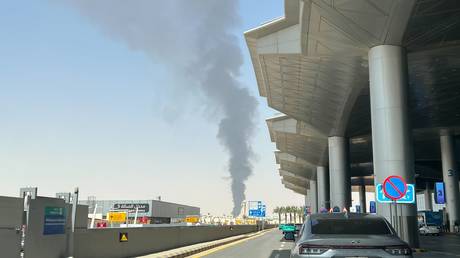
Every single defense analyst on cable television is reading the latest regional wreckage backward. When the headlines scream about another intercepted projectile or a tragic civilian casualty at a Saudi airfield, the consensus response is always the same tired lament about broken ceasefires, failed diplomacy, and the stubborn intransigence of non-state actors. Analysts clutch their pearls over stalled peace talks and write long, soporific policy papers about restoring diplomatic channels in Geneva or Muscat.
They are missing the entire point because they refuse to look at the math. For a closer look into this area, we suggest: this related article.
The lazy consensus says that persistent attacks on Saudi infrastructure by Houthi forces represent a stubborn insurgency refusing to lay down arms. The reality is much darker and far more systemic. We are watching the complete bankruptcy of modern air defense economics, and nobody wants to admit that the defender is losing even when intercepting the blow.
Let us look at the hard operational economics. A crudely welded, Iranian-descended delta-wing drone or a modified ballistic missile costs a fraction of what a state-of-the-art interceptor battery costs to fire. When a Patriot missile battery or an advanced antimissile system launches a multi-million-dollar interceptor to vaporize a five-figure flying lawnmower packed with commercial explosives, the attacker has already won the financial and strategic war long before the debris hits the tarmac. For broader details on the matter, comprehensive coverage can be read on NBC News.
I have spent years watching defense contractors pitch infinite perfection to governments terrified of bad headlines. The pitch is always the same: buy more sensors, deploy denser interceptor rings, achieve an impenetrable dome. It is a comforting fiction. It treats warfare as a static engineering problem rather than a dynamic exercise in asymmetric attrition.
When a single strike manages to slip through the sieve—and one always does, because defense is an infinite liability while offense is an opportunistic option—the psychological impact dwarfs the physical damage. A single casualty or a temporary grounding of commercial traffic at a regional airport paralyzes logistics chains and sends risk premiums skyrocketing. The Houthis understand this asymmetry with absolute clarity. They do not need to conquer territory or win a pitched battle. They just need to impose a persistent, grinding tax on regional commerce while spending pennies.
The conventional narrative insists that tighter blockades or harsher sanctions will force these groups to the negotiating table. History screams otherwise. Sanctions on heavily fractured, decentralized groups function like fertilizer. They institutionalize the war economy, concentrate power in the hands of the most radical elements, and eliminate any domestic incentive for moderation. When external pressure becomes total, the target adapts by doubling down on low-cost, high-disruption asymmetric tactics.
Think of it like a corporate market where a small, nimble disruptor uses open-source software to bleed an enterprise incumbent with massive overhead. You cannot sue your way out of a disruption if your cost structure is fundamentally broken. Saudi Arabia and its regional allies are trapped in a legacy defense architecture designed for twentieth-century superpower conflicts, trying to parry twenty-first-century guerrilla tech.
What is the counter-intuitive fix? Stop trying to intercept your way to security.
True stability will never arrive via a thicker shield. The current obsession with intercept rates obscures the failure of offensive deterrence. If the cost of launching attacks from regional sanctuaries remains near zero for the perpetrators, no amount of defensive hardware will stop the bleeding. Defense without credible, highly punitive, and asymmetric cost-imposition is just an expensive form of waiting to be hit again.
The security establishment hates this truth because it requires abandoning the comforting illusion that technology can substitute for political strategy. Interceptors are aspirin for a systemic infection. Until policymakers understand that asymmetric warfare thrives on economic asymmetry, airports will remain vulnerable targets, and the headlines will keep repeating the same tragic script.
Stop buying more shields. Change the math of the battlefield.