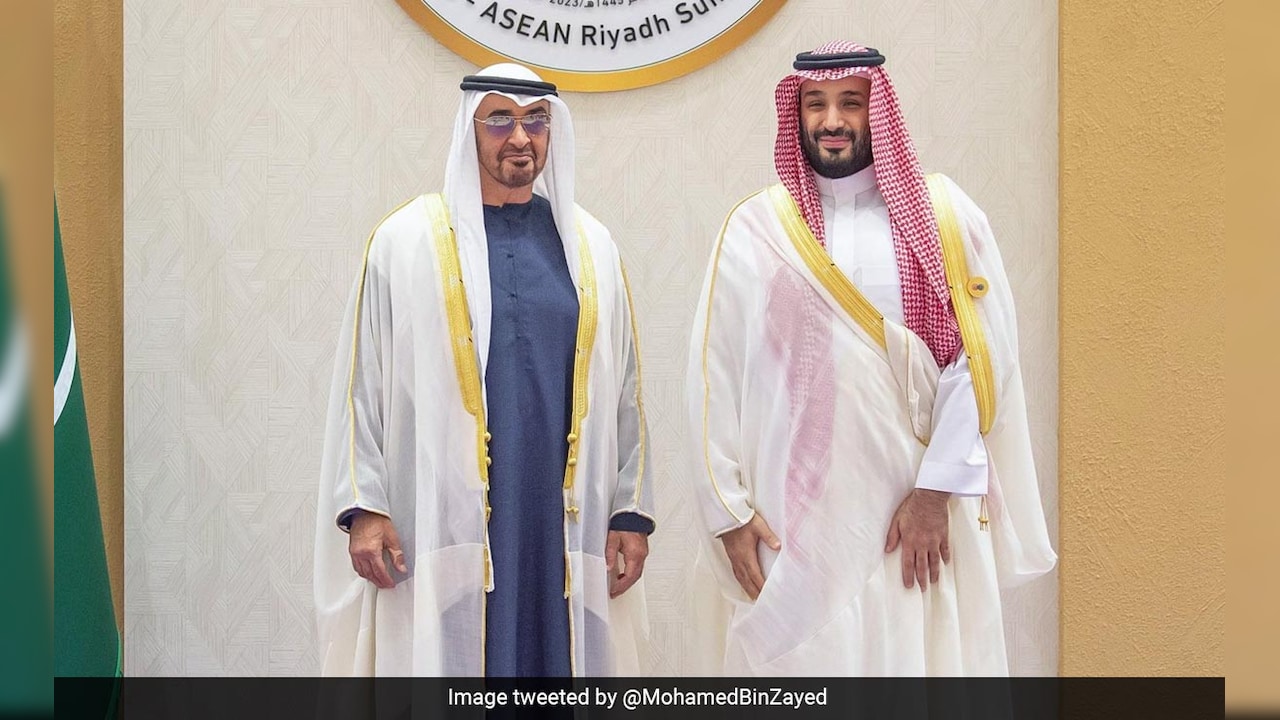
For years, people watched the relationship between Saudi Arabia and the United Arab Emirates through a lens of unshakeable brotherhood. After all, Riyadh and Abu Dhabi moved in lockstep during the early years of Mohammed bin Salman and Mohammed bin Zayed’s ascents. But if you think they are simply going back to how things were a decade ago, you aren't paying attention. The recent high-level meetings and social media displays of unity don't mean a total reset. They signal a managed truce between two ambitious economic and geopolitical powerhouses that have fundamentally outgrown their old dynamic.
The Myth of the Simple Reunion
When senior leaders sit down for handshakes in Riyadh, headlines love to declare that the Gulf rift is healed. Reality is far messier. The structural friction between Saudi Arabia and the UAE isn't a minor disagreement over policy; it stems from both nations pursuing aggressive, nearly identical economic diversification blueprints. When Vision 2030 kicked into high gear, Riyadh stopped relying on Dubai as its primary window to the global economy. Instead, Saudi Arabia decided to build its own financial, aviation, and corporate hubs right at home. You might also find this related article insightful: Shadows Over the Runway Security Failures at RAF Fairford Demand Accountability.
That single strategic shift changed everything. International firms are pressured to set up regional headquarters in Riyadh, direct foreign investment competition has intensified, and diverging paths in regional hotspots like Yemen and Sudan created genuine security friction. Pretending these commercial and geopolitical rivalries vanish because of a diplomatic photo-op ignores why the friction started in the first place.
Where Interests Still Collide
You can't talk about modern Gulf dynamics without looking at how both states handle trade, energy, and foreign policy. The old model where Abu Dhabi took the lead on commercial innovation while Riyadh provided regional muscle has completely fractured. Now, they compete directly for capital, talent, and prestige. As extensively documented in detailed coverage by TIME, the results are widespread.
Look at the corporate landscape. The UAE remains a dominant global hub with massive venture capital inflows and advanced logistics networks, while Saudi Arabia is pouring trillions into giga-projects and tech infrastructure to catch up at breakneck speed. This isn't just friendly competition. When national interests diverge on global oil production quotas or regional security architectures, diplomacy gets tense. Acknowledging this rivalry doesn't mean the alliance is dead; it means it has matured into a pragmatic, transactional relationship.
What Realism Looks Like Moving Forward
So, what should observers actually expect from Riyadh and Abu Dhabi now? Don't look for a return to the junior-senior partner dynamic of the past. That era is gone. Instead, both capitals recognize that an open, bitter feud hurts their domestic transformation goals.
They share a long border, deep trade ties, and a common interest in regional stability, which provides a hard floor for cooperation. When external pressures spike, you will see them lock arms on social media and at emergency summits. But behind closed doors, each state will keep prioritizing its own national sovereignty and economic autonomy above all else. Understanding this shift helps cut through the diplomatic theater and reveals how the Gulf's most important bilateral relationship is actually evolving.