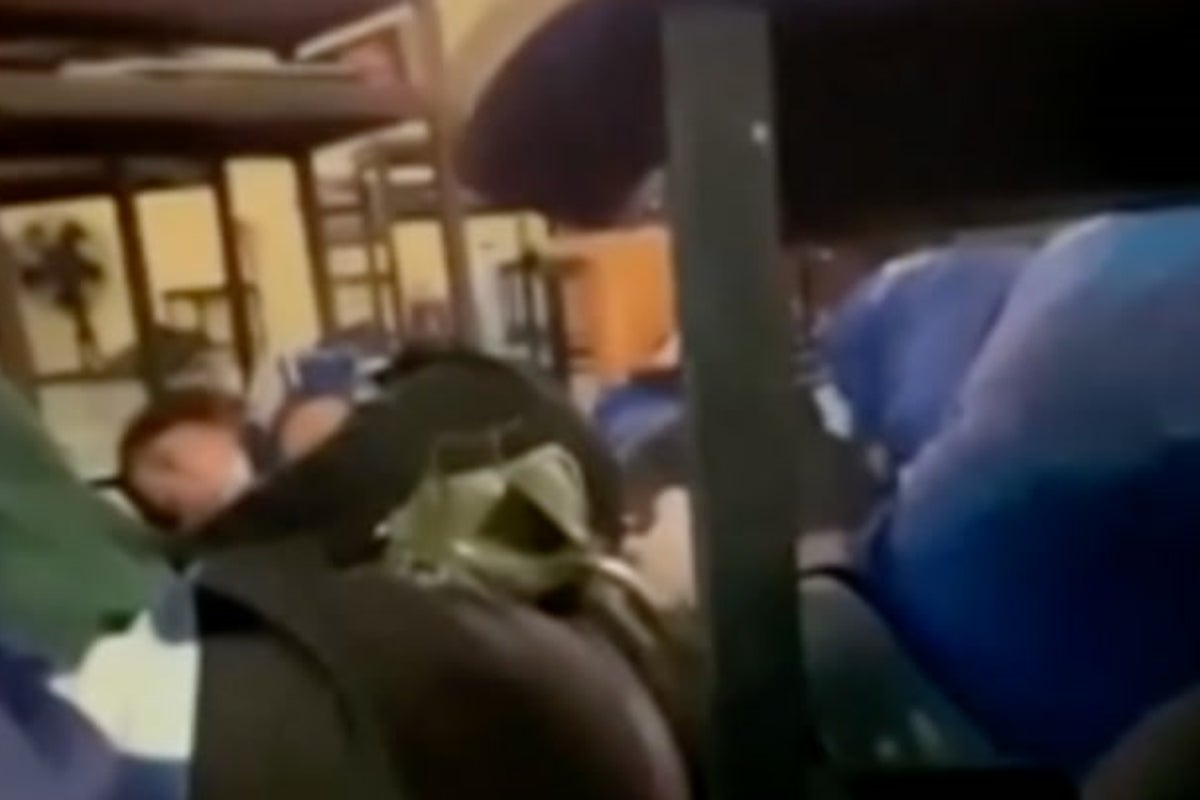
The sound of gunfire echoing through a hallway is a nightmare most people expect to read about thousands of miles away, not in the suburbs of Bangkok. But on a Friday morning at Debsirin Nonthaburi School, that grim reality set in. Terrified students scrambled for cover, pulling desks together and hiding in classrooms while a 14-year-old classmate opened fire.
When the smoke cleared, multiple lives were lost, leaving a nation once again questioning how easy it is for young people to access lethal weapons. Let's look at what actually happened, why these tragedies are becoming harder to ignore, and what this means for school safety moving forward.
The Timeline of a Tragedy Outside Bangkok
The sequence of events shocked investigators and horrified the public. According to the Royal Thai Police, the 14-year-old student didn't just snap on campus. The violence started at home, where the teenager allegedly shot and killed his grandparents. He lived with them rather than his parents, and investigators later recovered the weapon—a small, compact handgun—which was legally registered to a family member.
After the attack at the residence, the boy went to school as normal. Classes had already begun when he pulled out the weapon inside the building. Witnesses described hearing a sharp series of pops. Many students initially mistook the gunfire for firecrackers or construction noise.
Then reality hit.
"There were many shots: bang bang bang. Then it went quiet. Then it started again," an 18-year-old student told reporters.
Within minutes, panic took over. Students barricaded themselves inside classrooms, turning off lights and hiding under desks. Teachers tried to maintain order while emergency responders rushed to the scene. By the time police secured the campus, three teachers and three students were dead, with conflicting reports placing the final death toll higher once injuries and subsequent hospital updates were factored in. Dozens more were wounded, some critically, turning a standard school day into a mass casualty event.
A Disturbing Trend That Thailand Can No Longer Hide
Mass shootings used to be exceptionally rare in Thailand. But recent years have shattered that baseline.
If you look back at the past few years, a horrifying pattern emerges:
- The 2022 Daycare Massacre: A former police officer killed 36 people, including 24 children, in a horrific attack in the country's northeast.
- The 2023 Mall Shooting: A 14-year-old opened fire inside a major luxury shopping center in Bangkok.
- The Early 2026 Hat Yai Incident: A 17-year-old stole a firearm and opened fire at a southern Thai school, taking hostages and killing a school director.
- The Nonthaburi Tragedy: The recent Debsirin school attack, which claimed multiple lives before the shooter turned the gun on himself.
Thailand actually has some of the highest rates of civilian gun ownership in Southeast Asia. While strict laws exist on paper, enforcement gaps and the sheer volume of registered and unregistered firearms create massive vulnerabilities. When guns are kept unsecured in homes where troubled teenagers live, disaster is basically waiting to happen.
The Hard Questions About Mental Health and Access
Whenever an adolescent carries out a mass shooting, the public immediately demands to know why. Family members of the Nonthaburi shooter described him as quiet and a good student. They claimed they had no idea he was struggling. Prime Minister Anutin Charnvirakul later noted that preliminary findings suggest the boy was dealing with severe stress connected to school.
But stress doesn't automatically translate into mass murder. Access to a firearm does.
We see the same narrative repeat across the globe. A young person feels overwhelmed, isolated, or angry. Instead of finding a counselor or an outlet, they find a loaded weapon sitting in a drawer or a closet. Securing firearms in locked safes isn't just a suggestion for responsible gun ownership; it's the absolute bare minimum required to stop children from turning family homes and classrooms into crime scenes.
Schools are also grappling with how to handle student mental health. Traditional disciplinary models often punish struggling students instead of offering support. While better mental health screening inside schools won't fix every underlying issue, ignoring the warning signs until it's too late is a failing strategy.
What Needs to Change Right Now
If you care about protecting students, you have to look past the political platitudes and focus on structural fixes. Thoughts and prayers don't stop bullets.
Here is what needs to happen immediately:
- Mandatory Safe Storage Laws: Gun owners must be held criminally liable if minors can easily access unsecured firearms. If a weapon is left out in the open, the owner shares the blame for what follows.
- Early Intervention Systems: Schools need anonymous reporting channels and professional psychological support so troubled students can get help before they reach a breaking point.
- Realistic Emergency Protocols: Teachers and students deserve clear, trauma-informed active shooter drills that go beyond just locking a door, ensuring law enforcement can neutralize threats instantly.
The image of terrified kids huddled under desks in Nonthaburi should haunt lawmakers until real reforms take root. Until firearm access is strictly managed and mental health crises are caught early, no classroom is truly safe.