The rain in the Pacific Northwest has a way of washing everything clean, or at least pretending to. It coats the evergreen needles, slicks the asphalt of Interstate 5, and rolls in heavy from the coast, shrouding the Portland metro area in a familiar, comforting gray. But there are some stains that water cannot lift. Some dark threads woven so tightly into the fabric of a community that no amount of rain can ever truly rinse them away.
For months, families lived in a quiet, suffocating agony. In the shadows of a bustling city known for its coffee shops, indie bookstores, and bridges spanning the Willamette River, fear had quietly taken up residence. Women vanished. Not all at once, and not always in ways that immediately triggered the frantic sirens of a coordinated manhunt, but often enough to form a terrifying pattern.
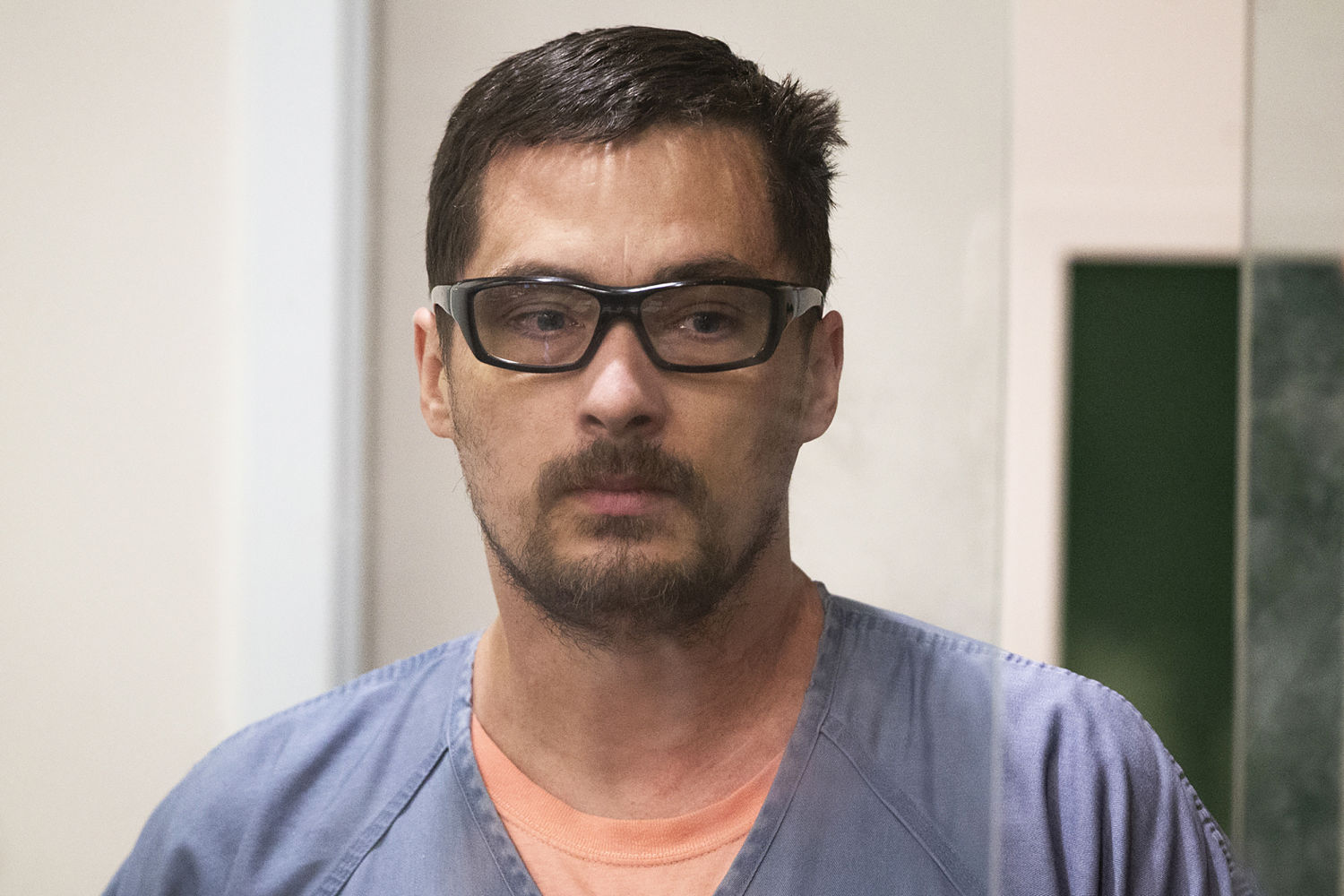
Then came the name: Jesse Calhoun.
To understand what happened in the Portland area is to understand the fragile barrier between the mundane routines of daily life and the abyss. Walk down SE Hawthorne Boulevard on a Tuesday afternoon, and you see people walking dogs, sipping lattes, waiting for the streetcar. It feels safe. It feels ordinary. Yet, beneath that ordinary surface lies a chilling reality about how predators operate in plain sight, exploiting the cracks in a system designed to protect the vulnerable.
The story began to unravel as investigators connected the dots across multiple jurisdictions. Oregon is vast, filled with dense forests, rural hideaways, and sprawling suburbs where neighbors often keep to themselves. It is easy to feel isolated even in a crowd. When bodies were discovered in remote wooded areas near Gladstone, Milwaukie, and Portland proper between the summer and winter of 2022, a collective dread settled over the region.
Investigators worked tirelessly behind the scenes, piecing together digital footprints, forensic evidence, and witness accounts. The evidence pointed toward a single individual. Calhoun, a man with a violent past and a prison sentence that had been commuted by the governor due to perceived good behavior, suddenly found himself at the epicenter of a multi-agency murder investigation.
Charge
The Shadows Over Portland
news
Rain falls differently on the Pacific Northwest. It does not merely drop from the sky; it settles into the fir trees, the concrete, and the long stretches of highway that connect the quiet towns outside Portland. For years, families walked those damp streets with a persistent, quiet dread. Someone was taking their daughters, their sisters, their mothers, and leaving emptiness behind.
In the shadows of a state known for its rugged coastlines and towering pines, a single threat had taken root.
Justice moves slowly, especially when the crimes stretch across years and county lines. Law enforcement officials in Oregon recently confronted a grim reality that had been unfolding in plain sight. Jesse Calhoun, a man already linked to the violent deaths of multiple women across the Portland area, faced an additional charge tied to a sixth victim. Each name added to the indictment represents a life cut short, a family shattered, and a community forced to look closer at the darkness hiding just beneath the surface.
Consider the geography of grief. The disappearances did not happen all at once. They occurred over a span of time, striking different neighborhoods, different backgrounds, but leaving behind the same chilling signature of neglect and cruelty. Investigators sifted through digital footprints, forensic evidence, and the desperate pleas of relatives who refused to let the world forget.
The legal machinery ground forward. Charges accumulated. Every new court date brought a fresh wave of public sorrow, forcing a reckoning with how vulnerable individuals slip through the cracks of society. In a system built on due process, the accumulation of evidence feels agonizingly slow to those waiting for accountability. Yet, step by step, the architecture of a case is built.
Silence can protect the guilty for only so long. When the weight of the evidence finally tips the scales, the reality of what happened becomes inescapable.
The rain continues to fall over Portland. The trees still tower over the highway. But for the families who spent years wondering, the pursuit of truth remains the only shield against the dark.



