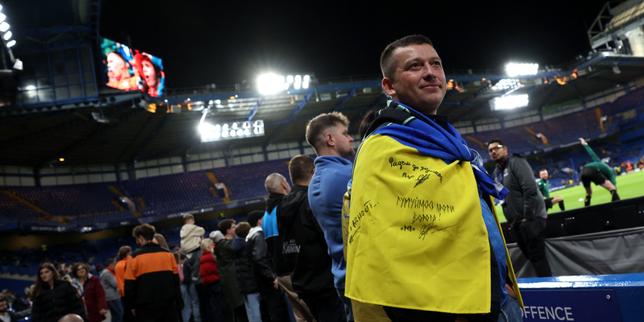
Stamford Bridge is hosting UEFA Champions League nights this season, yet Chelsea isn't playing in them. Instead, Ukrainian champions Shakhtar Donetsk moved their European home matches to West London for the 2026/27 campaign.
On paper, that sounds surreal. A club from eastern Ukraine playing continental "home" games in Fulham, more than 1,500 miles from Donetsk. Honestly, though, once you look at the logistics, the diaspora, and Chelsea's own calendar, the arrangement is way more practical than a quick headline suggests.
Shakhtar haven't played at the Donbas Arena since May 2014. Over the past decade-plus of war and displacement, they've bounced across venues in Ukraine—like Arena Lviv and NSC Olimpiyskyi—while staging European ties abroad in countries including Germany, Slovenia, and Poland. Moving to London puts them in front of a massive Ukrainian community in the UK and keeps Champions League football alive inside a 40,022-capacity stadium that would otherwise sit quiet on European nights.
How Shakhtar Donetsk Ended Up at Stamford Bridge
You don't book a Premier League ground on a whim. UEFA rules, stadium availability, security planning, and local approvals all have to line up before a displaced club can call a foreign venue home.
When the agreement was announced in late August 2026, two practical factors stood out right away:
- Zero UEFA fixture clashes: Chelsea did not qualify for European competition for the 2026/27 season, removing the biggest scheduling headache that normally blocks ground-sharing at busy English stadiums.
- A built-in crowd: London has one of the largest Ukrainian populations in Britain. Reports citing UK census data and post-2022 arrivals point to tens of thousands of Ukrainians living in the capital, giving Shakhtar an immediate local base rather than playing in front of empty seats.
Chelsea offered four-game match bundles for the league phase—priced at £185 for Chelsea season ticket holders and members—while club officials from both sides emphasized matchday safety and fan logistics. That matters more than people realize. Hosting a European match isn't just opening turnstiles. It requires segregated travel routes, police coordination, broadcasting setups, and pitch protection through a grueling winter schedule.
Why London Instead of Central Europe?
For years, central and eastern European cities were the obvious fallback for Ukrainian clubs. Travel distances were shorter, and border crossings felt closer to home.
London changes the math. It's a global aviation hub with direct flights across Europe, making away-team arrivals straightforward for visiting clubs and broadcasters. It's also a major financial center. Jock Mendoza-Wilson, Director of International and Investor Relations at Shakhtar's general partner and sponsor SCM, framed the move around keeping international investment focused on Ukraine even during wartime.
That's a deliberate pitch. Football gives SCM and the club a stage in London that press releases rarely get. Still, long-haul flights for a squad playing domestic fixtures back in Ukraine add real travel fatigue. You can't ignore that trade-off.
Symbolism Meets Complex History
Any story linking Shakhtar Donetsk and Chelsea carries baggage. You can't talk about Stamford Bridge without remembering Roman Abramovich's era, just as you can't talk about Shakhtar without talking about eastern Ukraine and club owner Rinat Akhmetov.
Some fans see a poignant solidarity play: an exiled Ukrainian side stepping onto a famous English pitch to represent a country under invasion. Others view stadium-sharing with a dose of skepticism, wondering whether big-city commercial logic outweighs the raw grit of a club whose real home remains occupied.
Both reactions are fair. A stadium lease doesn't erase history, nor does it solve geopolitical realities. What it does do is give displaced supporters a shared space to gather, chant, and feel connected to something familiar for ninety minutes. For families living far from home, that emotional anchor isn't trivial.
The Trap of Calling Any Foreign Pitch "Home"
Let's be real for a second. Playing at Stamford Bridge is a smart temporary solution, not a true replacement for Donetsk.
A stadium feels like home because of generations of routines—walk-up pubs, family season tickets, local rivalries, and neighborhoods that breathe the club every day of the week. Renting a world-class venue in West London gives Shakhtar top-tier infrastructure and strong atmosphere. It does not turn Fulham into the Donbas.
Clubs in exile often run into a quiet mistake when they lean too hard on "home" branding abroad: alienating core supporters who view any relocation—even for European nights—as a reminder of what was lost. Balancing gratitude to London hosts with fidelity to the club's roots is a tightrope Shakhtar has had to walk for over twelve years.
What This Move Means for Modern Football
Ground-sharing in European football isn't brand new, yet using a Premier League heavyweight's stadium for another club's Champions League league phase shows how adaptable modern football logistics have become.
If you're following Shakhtar's European run or planning to catch a match in person, a few practical steps will save you time and frustration:
- Check official ticketing channels early: Match bundles and single-game releases have been coordinated through official club channels on Chelsea FC and FC Shakhtar—skip sketchy resale listings that mark up seats without clear delivery terms.
- Plan around West London transit: Fulham Broadway and nearby rail links get packed on match evenings, and kick-off times in European competition can shift across early and late slots, so build extra buffer time into your commute.
- Track fixture dates and stadium rules: Verify exact match dates, bag policies, and supporter section guidelines directly via the clubs before traveling, especially for midweek European fixtures.
- Look past the scoreline: Pay attention to travel schedules, squad rotation, and crowd turnout—those details tell you way more about how well the London arrangement is working than a single ninety-minute result.