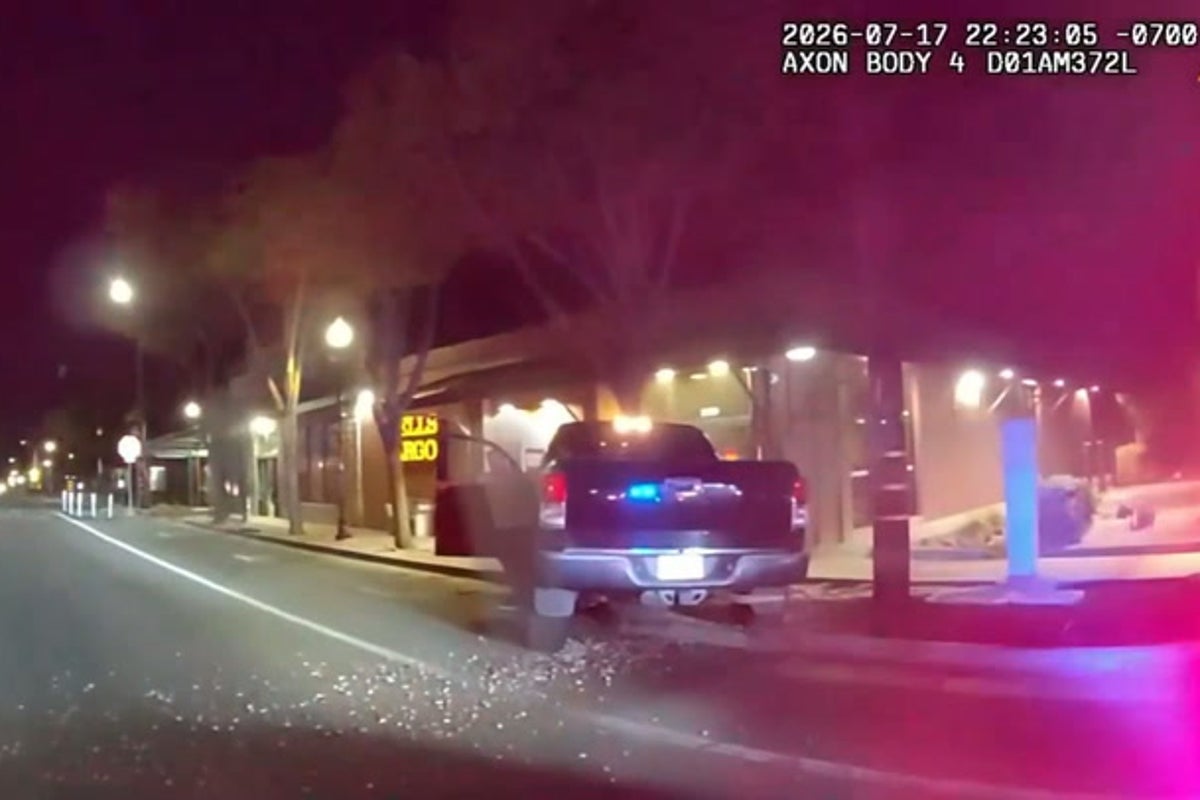
A deputy standing beside a wrecked vehicle on a dark shoulder hears screeching tires. Within seconds, another car swerves out of control, narrowly missing the officer by inches.
It happens constantly.
When a deputy almost gets hit by a drunk driver while working an active hit-and-run scene, it highlights a terrifying trend on American highways. Officers, tow truck operators, and paramedics face extreme risks when working on the roadside. Intoxicated drivers, distracted commuters, and reckless speeding turn routine traffic stops into life-or-death scenarios.
Understanding why these secondary collisions happen requires looking beyond a single close call. It comes down to driver behavior, poor visibility, and a widespread failure to respect Move Over laws.
Why Active Crash Sites Attract Secondary Drivers
Crash scenes are chaotic environment. Emergency flares flicker. Blue and red lights flash continuously. Tow trucks position themselves at odd angles to pull crushed metal off the asphalt. You'd think all those bright warning signals would force drivers to slow down.
Instead, the opposite often occurs.
Psychologists call it target fixation. Drivers, especially those under the influence of alcohol or drugs, tend to steer directly toward the object they're staring at. An intoxicated driver sees flashing lights ahead on a dark road. Instead of braking or changing lanes, their eyes lock onto the bright illumination. Their hands automatically track their vision, pulling the vehicle right toward the patrol car or deputy standing on the shoulder.
It's a bizarre cognitive glitch. But it turns emergency zones into death traps.
Alcohol impairs spatial awareness and reaction times long before someone passes out at the wheel. A driver with a blood alcohol concentration of 0.08 percent loses the ability to accurately judge distance and speed. Combine that with late-night exhaustion and high highway speeds, and you get near-misses or catastrophic impacts at emergency scenes.
The Reality of Move Over Laws Across the Country
Every single U.S. state has some form of Move Over law on the books. These laws require drivers to clear the lane adjacent to a stopped emergency vehicle with its lights activated. If changing lanes isn't safe or possible, drivers must slow down significantly below the posted speed limit.
Yet enforcement remains tricky, and public awareness is surprisingly low.
National Highway Traffic Safety Administration data shows that hundreds of emergency responders have been struck and killed on roadside shoulders over the past decade. Tow truck drivers suffer the highest fatality rate per capita among roadside workers, closely followed by law enforcement officers and highway maintenance crews.
Why don't drivers move over?
- Distraction: Drivers are checking phones, adjusting navigation, or staring at the crash scene itself.
- Confusion: Many motorists simply don't know the law requires them to shift lanes for all stopped emergency vehicles, not just police cars.
- Impairment: Drunk drivers lack the cognitive bandwidth to process warning lights and make quick lane shifts.
- Traffic density: High traffic volumes sometimes prevent immediate lane changes, but drivers forget they still must slow down dramatically.
When a driver is impaired, law compliance drops to zero. A drunk driver isn't reading road signs or calculating safe passing distances. They are driving on instinct, and impaired instincts lead to tragic outcomes.
How First Responders Protect Themselves at Night
Police departments and sheriff's offices train deputies heavily on roadside survival tactics. Standing on the side of an interstate at 2:00 AM isn't just routine work. It's high-hazard duty.
Deputies employ specific defensive measures during night shifts:
Block Driving Tactics
Officers use their patrol cruisers as physical shields. By parking the vehicle at an angle—a technique known as "fending off"—the police cruiser creates a safe working corridor for responders. If an oncoming vehicle strikes the scene, it hits the heavy cruiser rather than the officer standing nearby.
Flashing Light Management
Bright LED lights save lives, but they can also blind oncoming drivers on unlit stretches of highway. Many modern police cruisers now feature dimming options or directional strobe patterns for nighttime operations to reduce glare while maintaining high visibility.
Constant Environmental Awareness
A deputy never turns their back completely on oncoming traffic if they can avoid it. When conducting field interviews, checking wreckage, or gathering evidence at a hit-and-run site, officers keep one eye on approaching headlights. That split-second warning is often the only thing allowing them to jump over a guardrail before impact.
The Cascade Effect of Hit and Run Investigations
When officers respond to a hit-and-run call, the situation is already volatile. The suspect who caused the original crash has fled. Evidence lies scattered across multiple lanes. Victims may need immediate medical attention.
The officer's focus must split between helping victims, securing physical evidence, and directing traffic.
When an impaired driver barrels through that active investigation, the danger multiplies instantly. The officer now faces two criminal incidents simultaneously. The initial hit-and-run driver remains at large, while a second driver presents an immediate, dangerous threat to everyone on scene.
This cascade effect stretches emergency resources thin. Extra units must respond to deal with the incoming drunk driver, perform field sobriety tests, and secure the perimeter. Meanwhile, precious time slips away in tracking down the original hit-and-run suspect.
What You Should Do When Approaching an Emergency Scene
Navigating past an active crash site safely requires immediate, deliberate action. Don't wait until you're right on top of the emergency lights to react.
- Scan the horizon: Look far down the road while driving at night. Flashing lights can be seen from miles away.
- Signal early: Check your mirrors and indicate your lane change as soon as you spot emergency lights ahead.
- Move over one full lane: Give first responders a full buffer lane whenever possible.
- Reduce speed drastically: If traffic prevents you from moving over, slow down to a speed that allows you to stop on a dime.
- Keep your eyes on your lane: Resist the urge to rubberneck. Staring at wreckage increases your chances of drifting off course.
- Expect the unexpected: Pedestrians, tow operators, or officers may need to step into traffic unexpectedly to clear debris or direct vehicles.
Roadside safety depends entirely on driver alertness. An active scene is never just a spectacle to watch. It's a high-risk zone where real people are working to keep roads clear and save lives. Slow down, move over, and keep your focus entirely on the road ahead.


