The coffee cups were still warm on the kitchen counter. Or perhaps they were stone cold, having sat through hours of undisturbed night before the morning shift began, before the sirens tore through the quiet rural air of Enoch, Utah. When a family vanishes in a single afternoon, the world does not end with a theatrical explosion or a cinematic collapse. It ends with mundane details left unfinished. A load of laundry spinning silently in the drum. A backpack by the front door, heavy with notebooks and colored pencils. Shoes lined up neatly in the mudroom, waiting for feet that will never return.
Eight lives. Five of them children. For a deeper dive into this area, we recommend: this related article.
We read the dry reports on our screens, scanning the bullet points of a tragedy that feels too vast, too absolute to process. Numbers blur together. Eight people. Three generations. A quiet suburban street transformed overnight into a crime scene wrapped in yellow tape. But statistics do not bleed. Bureaucracy does not weep in the dark. Behind the cold headlines lies a suffocating quiet—the terrifying weight of an empty home where laughter used to bounce off the walls.
Consider the ordinary Tuesday that preceded the unthinkable. For additional context on this topic, extensive reporting is available at Reuters.
In small towns, life moves to a steady, predictable rhythm. Neighbors wave across trimmed lawns. Dogs bark at passing mail trucks. The mail piles up by the door. In the weeks leading up to January 2023, Michael Haight and his family—his wife, Tausha, her mother, and five children ranging from ages four to seventeen—were part of that invisible tapestry of daily existence. They went to school. They made grocery lists. They argued over chores and celebrated small victories.
Then came the fracture.
Court documents and subsequent investigations revealed what happens when control curdles into tyranny. Tausha had filed for divorce just weeks prior. In the quiet theater of domestic struggle, those legal papers represented an exit strategy—a fragile, hopeful bid for safety and autonomy. But for an abuser, an exit is often viewed as the ultimate defiance, the moment the walls of containment begin to crumble.
Domestic violence rarely announces itself with a sudden crash. It is a slow compression. It is the tightening of a vise, millimeter by millimeter, until the victim forgets what it feels like to draw a full breath. Friends and neighbors often look back with a haunting hindsight, searching their memories for the warning signs they missed. Why didn’t anyone see it coming? Because abusers are masters of concealment. They build a fortress of normalcy on the outside while engineering a prison on the inside.
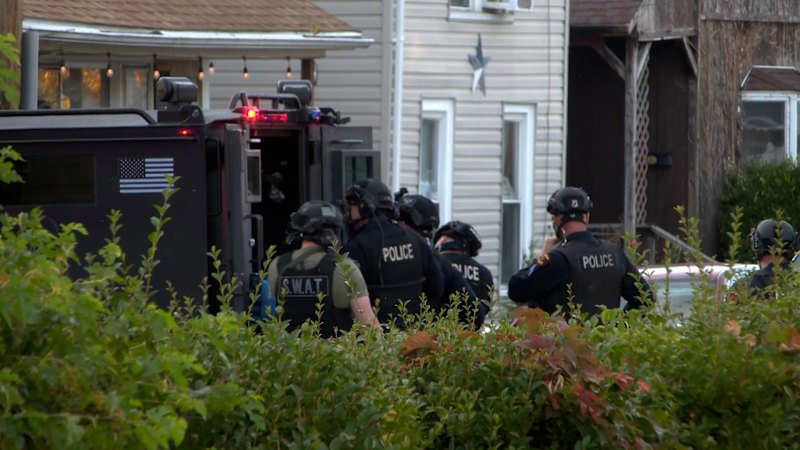
When the police finally forced entry into that Enoch home on a chilling winter day, they did not find a battlefield. They found execution. Michael Haight had taken the lives of his wife, his mother-in-law, and his five children—Maia, Camden, Briley, Haiden, and Gavin—before turning the gun on himself.
The horror of that discovery defies language. First responders, seasoned professionals who thought they had seen the limits of human cruelty, stood in rooms decorated with childhood drawings and realized the magnitude of the silence. How do you process a nursery where a sleeping toddler was murdered by the person sworn to protect them?
We search for answers in the aftermath, leaning on phrases like "senseless tragedy." But calling it senseless lets us off the hook. It implies randomness, like a lightning strike or a sudden storm. This was not a storm. This was a trajectory. It was the culmination of a well-documented crisis that plays out behind closed doors across the country every single day.
Intimate partner violence is fueled by power and control. When an abuser feels that control slipping—often when a partner attempts to leave—the risk of lethal violence spikes dramatically. The separation phase is the most dangerous window in an abusive relationship. Yet, our societal infrastructure often treats domestic disputes as private family matters, urging mediation or patience when what is required is immediate, uncompromising intervention.
We must confront the uncomfortable truth about our cultural blind spots. We love stories of redemption and survival, but we shrink from the grinding, unglamorous reality of systemic abuse. We whisper about it behind cupped hands, as if speaking the words aloud might summon the darkness into our own homes.
Meanwhile, five children will never grow up.
Maia would have been preparing for college by now. Camden would have discovered his first real passion, whether in sports, music, or art. The younger ones would have grown out of their clothes, lost their baby teeth, and filled dinner tables with chaotic, beautiful noise. Instead, their potential was extinguished in a matter of minutes by a man who confused ownership with love.
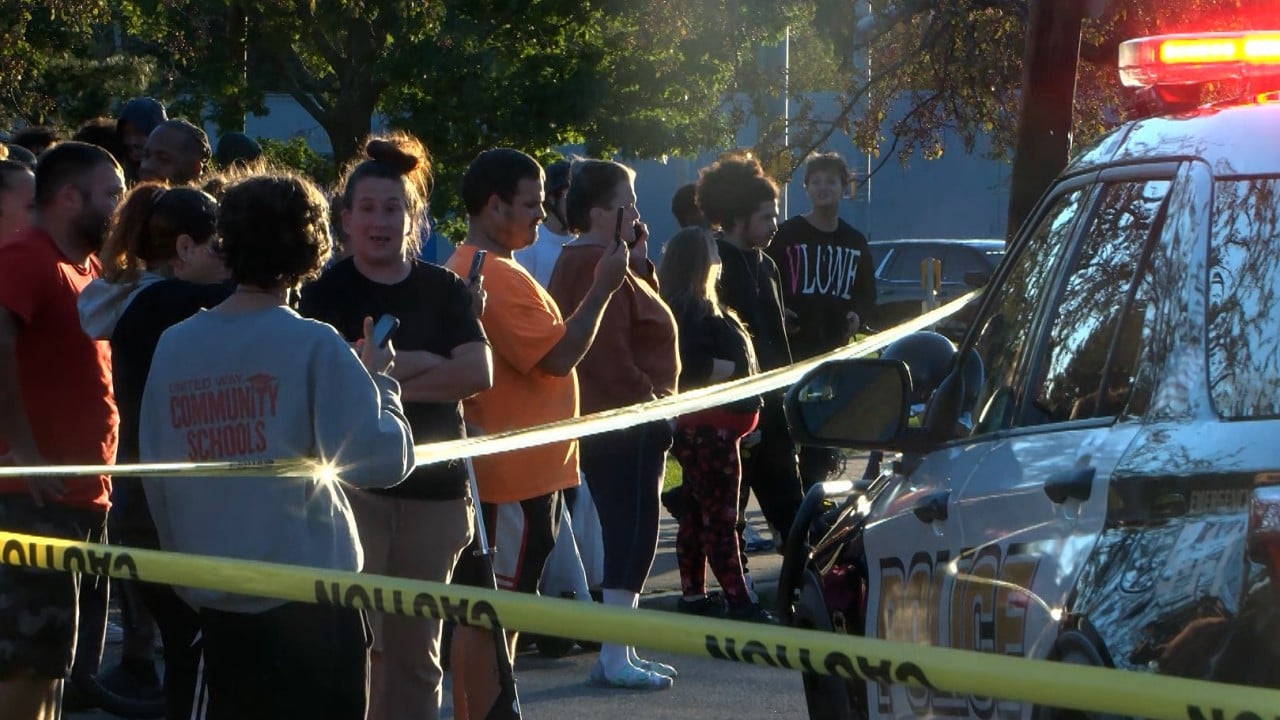
The house in Enoch still stands, though its address is now synonymous with national grief. Eventually, the yellow tape came down. The media vans drove away. The community returned to the slow, agonizing work of healing. But for the surviving family members—for the grandparents, aunts, and uncles who must navigate the rest of their lives carrying a mountain of unanswered "whys"—the calendar is permanently frozen.
There is a profound lesson hidden in the wreckage, though it is one we are loath to learn. Safety is not a default state. It is something we must actively construct, fiercely defend, and courageously offer to those trapped in the shadows. When someone finds the courage to say, "I am leaving," our collective response cannot be a shrug of indifference. It must be a net. It must be shelter, legal protection, and unwavering community support that refuses to let them fall back into the dark.
We owe it to Tausha and her children to look past the initial shock value of the headlines. We owe it to them to talk about the uncomfortable realities of domestic control, the warning signs of escalating danger, and the absolute necessity of believing victims when they whisper their fears in the dark.
Because the true tragedy is not just that eight people died on a snowy winter day in Utah. The true tragedy is that we knew the warning signs existed long before the first shot was fired, and we collectively allowed the silence to win.
Listen closely to the quiet rooms in your own life. Pay attention to the shifts in tone, the sudden isolations, the quiet dread that lingers behind closed doors. Reach out. Ask the hard questions. Offer a safe harbor.
Before the coffee gets cold. Before the silence becomes permanent.