The sea does not care about schedules.
To the passengers boarding the wooden-hulled ferry on that humid afternoon, the water was simply a bridge. A stretch of blue to cross before dinner, before sleep, before tomorrow. They carried plastic bags filled with market goods, folded clothes, the weight of ordinary lives moving from one island to another across the Java Sea. The engines hummed a steady, vibrating rhythm. The horizon stretched out wide and indifferent. Recently making news in related news: The Geometry of Failure Along California Coastal Rail Corridors.
Then came the turn.
Or the wave. Or the sudden, brutal weight of water rushing where air belonged. Additional information regarding the matter are explored by Al Jazeera.
In moments like these, catastrophe is rarely cinematic. It does not wait for a dramatic chord to swell. It happens in the dark, in the gasp of freezing salt water hitting lungs, in the frantic scramble for a life jacket that isn't there, in the sudden tilt of a deck that turns a floor into a vertical wall.
When the news finally trickled out to the mainland, it arrived in the bloodless language of bureaucracy. Numbers. Statistics. Official statements from rescue coordination centers. Sixty-four lives extinguished. Dozens more hanging in the balance, trapped in the indeterminate purgatory of the missing.
Behind every digit in that grim tally lies a shattered kitchen, a schoolbag left unzipped on a bedroom floor, a phone call that went straight to voicemail, ringing endlessly into the empty air.
Consider what happens when a community is ripped apart by sudden disaster. It does not heal in a neat, linear fashion. It fractures.
Let us look closely at the mechanics of maritime tragedy, because disasters of this scale rarely happen in a vacuum of pure bad luck. They are usually the bitter fruit of accumulated compromises. Overloaded hulls. Inadequate safety gear tucked away and forgotten beneath layers of cargo. Weather warnings treated as mere suggestions rather than laws of survival.
To understand the human cost, imagine a hypothetical father named Joko, a small-scale merchant who made this crossing twice a month to sell dried spices in the port markets. Joko knew the rhythm of the waves. He knew the creak of the old vessel's timbers. Like hundreds of others, he accepted the risk because the alternative—staying put, earning nothing, watching the family pantry empty out—was its own kind of slow disaster.
When the ferry went down, Joko did not become a statistic immediately. He became a frantic ripple in the dark.
The Java Sea is vast. It is a warm, deceptively calm expanse of water that has swallowed ships and secrets for centuries. When a vessel capsizes miles from the nearest coastline, the minutes stretch into hours long before rescue vessels even slice through the foam to begin the search.
Search and rescue operations in these waters are a masterclass in desperate geometry. Teams of local fishers, naval personnel, and emergency responders comb the surface grid by grid. They scan the choppy gray-blue waves for orange life vests, floating debris, anything that defies the monotony of the deep.
Yet, the sea keeps its own counsel.
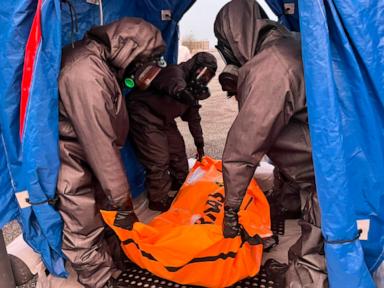
As the death toll climbed to 64 bodies recovered from the wreckage, the grief on the shore shifted from frantic hope to a heavy, suffocating acceptance. Families gathered at the makeshift identification tents set up near the harbor. They clutched crumpled photographs, identification cards, fragments of memory.
There is a profound cruelty in the status of being missing. When a loved one is confirmed dead, there is a terrible finality, but there is also a shape to the grief. You can bury a body. You can light a candle. You can weep over a headstone. But when a body remains lost to the currents, the grief remains suspended. Every time the phone rings, there is a phantom spark of hope. Every time a figure walks down the pier, the eye searches for a familiar gait.
The authorities speak of investigations. They talk about enforcing passenger manifests, checking life raft capacities, holding operators accountable for maritime negligence. These are necessary conversations. They are the scaffolding of future safety.
Yet, policies and safety codes feel terribly thin when standing at the edge of a pier, staring out at an ocean that gave nothing back.
We live in an era that worships efficiency. We want our goods delivered faster, our transport streamlined, our movements frictionless. We forget that the sea remains untamed. It does not negotiate. It does not care about economic pressures or tight schedules. It simply waits, patient and immense.
The survivors carry a different burden. They carry the survivor's guilt, that irrational, gnawing whisper asking why they caught the floating beam while the person sitting next to them slipped beneath the surface. They carry the salt-stung memories of chaos, the sound of shouting fading into gurgling water, the sudden, terrifying cold.
In the days following the disaster, the makeshift memorials began to pile up near the water's edge. Petals of jasmine and roses scattered over the waves. Incense smoke curling into the humid air, carrying prayers toward the horizon.
The boats are running again now. They have to. Commerce does not pause for grief. Passengers still line the wooden docks, clutching their bags, stepping gingerly across the gap between the pier and the deck. They look down at the dark water, just for a second, before looking away.
Somewhere out there, beneath the gentle rise and fall of the tide, the wreckage rests in the silent dark. And the sea remains quiet, keeping watch over the names we will never forget.


