The water does not arrive with malice. It arrives with weight.
It carries the dark, rich soil of the high Himalayas, the mud of ancient riverbanks, and the quiet debris of homes built across generations. When the monsoon breaks over Nepal, the rivers swell beyond their ancient banks, turning from turquoise lifelines into roaring corridors of grey destruction. For days, the rain hammers tin roofs with a relentless rhythm that blurs the line between sky and earth. Then comes the silence.
It is the silence that follows the flood that stays with you.
Imagine, if you must, standing on a patch of earth that used to be a kitchen garden. (I use the word imagine because unless you have stood in ankle-deep silt where your doorstep used to be, the scale remains an abstraction). The air smells of wet earth, rotting grain, and the sharp, coppery tang of stagnant water. Around you, villagers are returning. They come carrying what little they managed to salvage on their backs—a bundle of clothes wrapped in a plastic sheet, a cooking pot rescued from an eddy, a child perched high on a father's shoulder.
They are looking for their homes. They are looking for their neighbors.
The numbers are staggering, yet terrifyingly cold. Nearly 3,000 people missing. Think about that for a moment. Three thousand human beings who woke up, drank morning tea, worried about the weather, and then vanished into the churning brown froth of a swollen watershed. Statistically, they are data points on a disaster management dashboard. Individually, they are unfinished conversations. They are empty chairs at supper tables. They are names whispered by mothers staring at closed doors.
To understand why this happens with such terrifying predictability, you have to look at the geography of survival. Nepal is a masterpiece of vertical terrain. Terraced fields carved into steep mountain slopes catch the monsoon rains and funnel them downward with brutal efficiency. When unprecedented rainfall triggers widespread flooding and landslides, roads snap like dry twigs. Bridges vanish. Entire settlements are effectively marooned on islands of mud, cut off from the outside world before rescue teams can even prep their gear.
The human brain struggles to comprehend mass loss. We process a single tragedy with tears; we process thousands with numbness. To break through that numbness, consider a hypothetical villager named Maya, living in the low-lying plains near the southern border. Let us call her a stand-in for the thousands waiting on riverbanks right now. Maya spent the night of the crest clinging to the rafters of her small concrete-and-brick home while the water rose to her chest, taking her livestock, her stored rice, and her husband's bicycle.
When the sun finally pierced the cloud cover two days later, the water receded to reveal a landscape stripped of landmarks. The mango tree where her children played? Gone. The dirt path to the local market? Swallowed by a newly minted ravine. And her brother, who lived three houses down? No one knows. He was last seen running toward higher ground.
This is the agonizing purgatory of the aftermath.
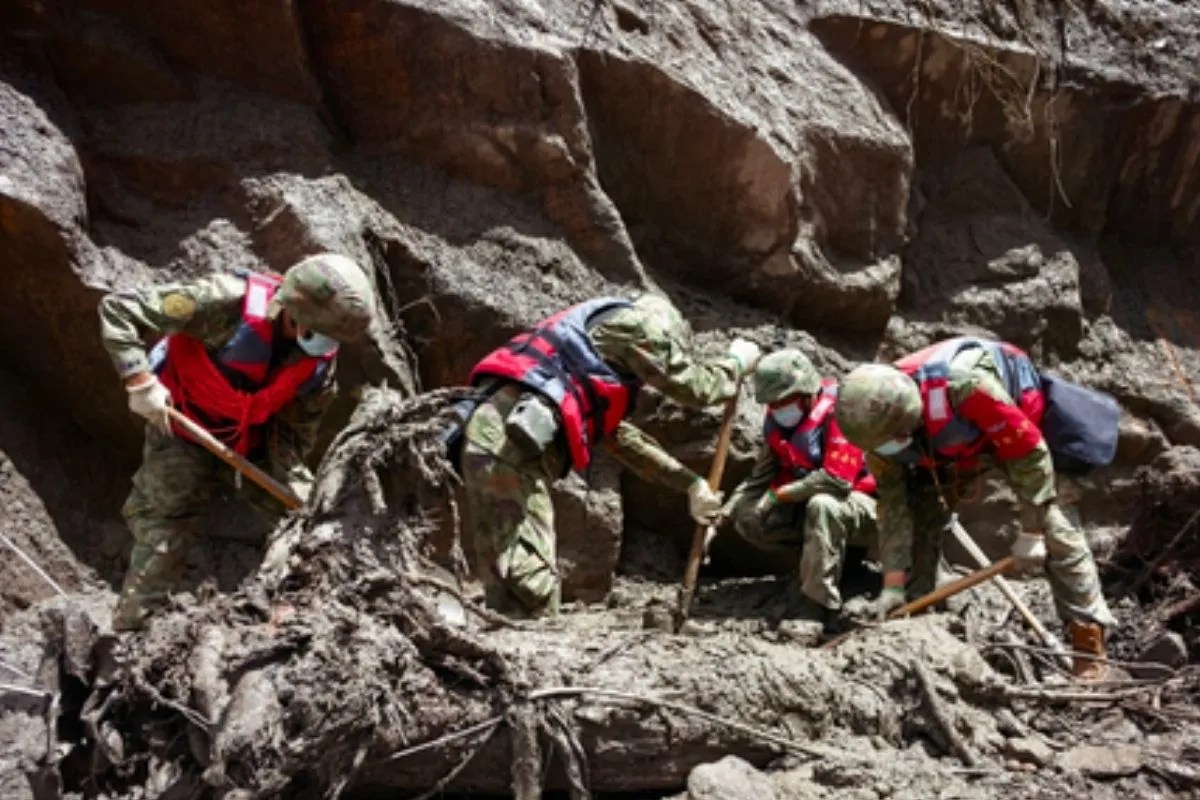
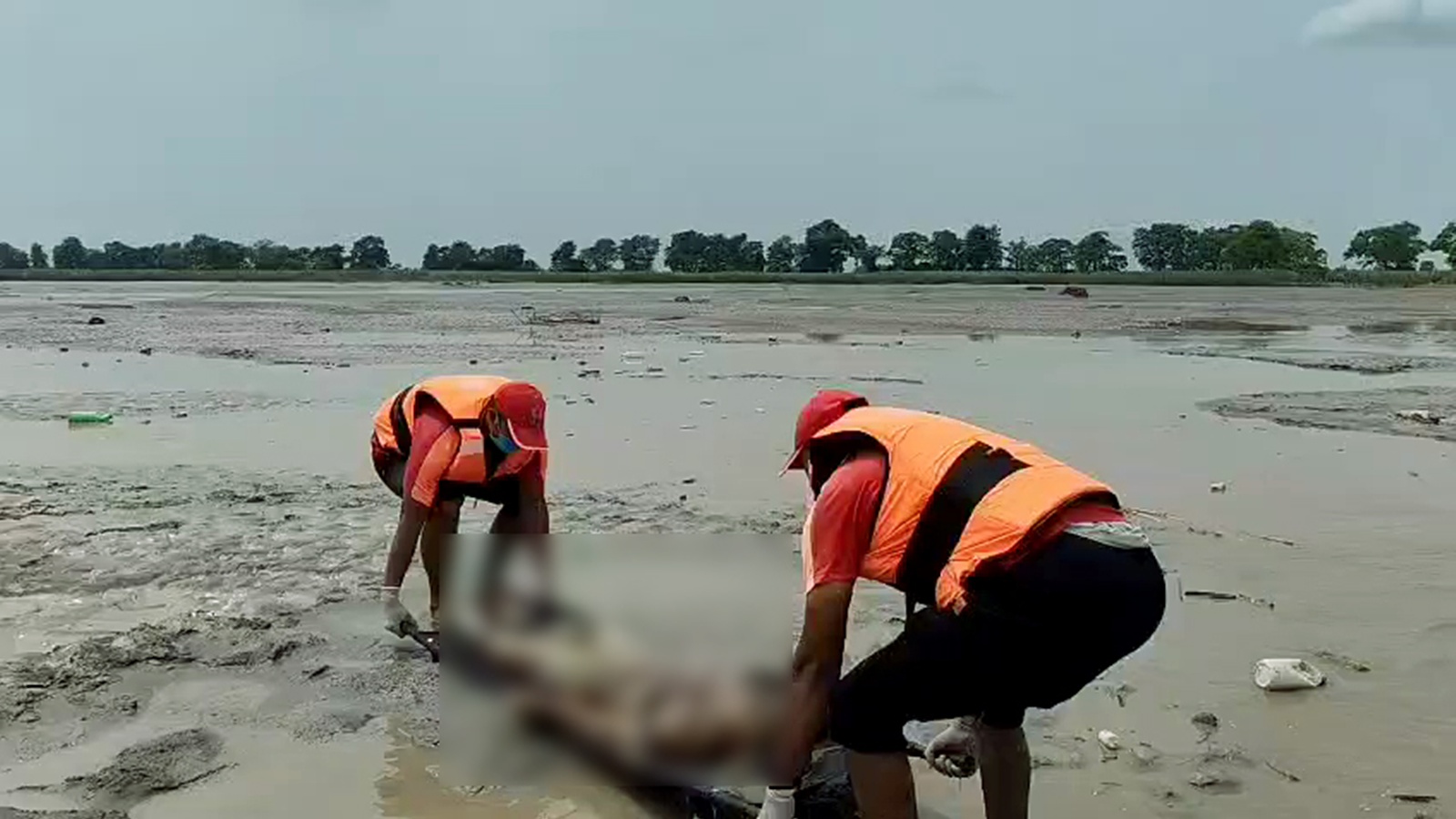
Rescue operations in these remote topographies are logistical nightmares. Helicopters cannot fly through thick monsoon fog. Heavy machinery cannot reach valleys where bridges have been sheared from their foundations. So, the initial burden of search and recovery falls almost entirely on the survivors themselves. They wade into the receding shallows with long poles, probing the mud, hoping against hope that what they strike is a stray log and not a human form.
Governments pledge relief funds. Aid organizations mobilize supply drops of chlorine tablets, tarpaulins, and instant noodles. These interventions are vital. They keep the living alive. But they do not address the hollow ache in the chest of a mother clutching a soggy photograph.
We live in an era that worships speed and technological solutions, yet when the earth gives way, we are reminded of our absolute fragility. No algorithm can predict the exact path of a flash flood tearing through a Himalayan gorge with the force of a freight train. No policy document can instantly restore a community where half the population has been swept away.
The survivors walk back through the ruins not because they are filled with sudden, cinematic optimism, but because survival is an obstinate habit. They wash the mud off their hands with water they know might be contaminated. They borrow a shovel. They begin to dig. Because when the state is miles away and the missing remain unaccounted for, the only thing left to do is clear the doorway so that, somehow, life can begin the arduous process of stepping back inside.
The river returns to its channel eventually. It sparkles in the afternoon sun, innocent and indifferent, rolling quietly toward the plains, carrying our collective grief out to sea.