The silence is what notices you first.
On a commercial poultry farm, there is a distinct, low-frequency hum that never truly stops. It is a collective symphony of rustling feathers, the rhythmic clinking of automated feeders, and the soft, repetitive clucking of thousands of birds. It sounds like productivity. It sounds like a livelihood.
Then, the gates lock. The hum vanishes, replaced by the sterile crunch of gravel under the boots of biosecurity officers and the eerie, metallic echo of padlocks snapping shut.
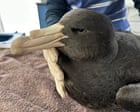
This is the reality currently unfolding across parts of Western Australia. The cause is not a visible predator, nor a sudden economic crash. It is a microscopic traveler carried on the wind, dropping silently from the clouds. A second wild bird in the region has tested positive for the high-pathogenicity H5N1 avian influenza—commonly known as bird flu. To the casual observer scanning the evening headlines, it looks like a routine regulatory update. A standard government intervention.
To the families whose generational farms sit within the quarantine zones, it feels like a countdown.
The Shadow on the Wing
To understand the tension gripping the Western Australian agricultural community, consider a hypothetical farmer named David. David’s property sits in the rolling landscape outside of Perth. For three generations, his family has woken up at 4:30 AM to the same routine. They check the sheds, monitor the feed, and ensure the biosecurity protocols are immaculate.
David knows that his greatest threat does not walk on two legs. It flies on wings that span thousands of kilometers.
When a wild black swan or a migratory shorebird lands on a farm dam to rest, it carries the weight of a global crisis. The H5N1 strain is not the mild seasonal flu we occasionally fight off with hot tea and a few days in bed. It is an aggressive, devastating pathogen that moves through avian populations like wildfire through dry brush.
The confirmation of a second wild bird testing positive is the tipping point. The first case could be dismissed by optimists as an isolated anomaly—a tragic, solitary casualty of a vast migratory route. A second case is a pattern. It means the virus is not just passing through; it is circulating.
What happens inside a locked-down farm during a biosecurity red alert? The gates are barred to all non-essential traffic. Every vehicle entering the property must pass through chemical wash stations. Footbaths filled with heavy-duty disinfectant sit at the entrance of every shed. Workers change their clothes and boots multiple times a day, terrified that a single speck of dust on a shoelace could carry the destruction of an entire flock.
The emotional toll of this vigilance is exhausting. You are fighting an invisible ghost. You look at the sky not with the appreciation of a rural landscape, but with a lingering sense of dread. Every flock of wild ducks flying overhead becomes a potential biological threat.
The Invisible Ripples
The immediate instinct of the public when reading about agricultural lockdowns is to worry about the supermarket shelves. Will the price of eggs skyrocket? Will there be a shortage of chicken for Sunday roasts? These are valid economic anxieties, but they look at the problem through the wrong end of the telescope.
The real crisis is human and localized.
When a farm goes into lockdown, the financial hemorrhage begins instantly. Supply chains break. Combined with strict movement controls, a farm cannot easily send its products to market, nor can it easily bring in new stock. The overhead costs—the electricity required to keep sheds climate-controlled, the cost of feed, the wages of isolated workers—do not stop ticking. The debt accumulates in real-time while the revenue drops to zero.
Consider the psychological weight carried by the veterinarians and biosecurity officers tasked with enforcing these zones. No one enters agricultural science because they want to oversee the destruction of animals. They do it because they care about welfare and sustainability. Yet, when H5N1 breaches a commercial shed, the policy is absolute and unforgiving: total eradication to prevent the virus from mutating or spreading further.
It is a grim, heartbreaking process that leaves sheds empty and farmers broken. The financial compensation offered by governments helps clear the ledger, but it does not erase the trauma of seeing a lifetime of work dismantled in a matter of days.
The complexity of the situation is compounded by the sheer vastness of Western Australia. Managing a disease outbreak in a compact European country is a logistical challenge; managing it across a state that spans millions of square kilometers is an administrative nightmare. Tracking wild bird movements across remote wetlands, isolated coastlines, and sprawling agricultural properties requires a level of surveillance that stretches resources to their absolute limit.
The Modern Ecological Shift
We often treat these outbreaks as sudden, unpredictable acts of God. The truth is far more uncomfortable. The global spread of H5N1 over the past few years represents a fundamental shift in how pathogens interact with our changing planet.
As natural wetlands disappear due to urban development and shifting climate patterns, wild migratory birds are forced into closer, more frequent contact with agricultural zones. They seek out the permanent water sources found on farms—irrigation dams, runoff ponds, and livestock watering troughs. We have inadvertently created a network of ecological crossroads where the wild world and the industrialized agricultural world collide.
This is not a problem that can be solved permanently with a stronger padlock or a deeper footbath.
The Western Australian Department of Primary Industries and Regional Development is operating with high efficiency, utilizing advanced diagnostic testing to catch these wild cases before they integrate into commercial populations. Their speed is the only thing standing between the current preventative lockdown and a full-scale agricultural disaster.
But the margin for error is razor-thin. A single breach, a single contaminated tire matrix, or a single wild bird gaining access to a ventilation intake can alter the trajectory of the state’s agricultural economy for years.
The current lockdown is a test of collective endurance. It requires an ironclad commitment from every backyard chicken owner, every hobby farmer, and every commercial titan to report even the slightest sign of illness in their birds. It demands a level of community transparency that can be difficult to foster when people are terrified of the financial consequences of a positive test.
The sun sets over a quarantined property in the Western Australian wheatbelt, casting long shadows across the corrugated iron roofs of empty or isolated sheds. For now, the birds inside are safe. The barriers are holding. The farmers watch the horizon, waiting for the migratory season to shift, waiting for the skies to clear of the invisible threat.
They live their lives in the quiet spaces between the test results, knowing that their survival depends entirely on staying one step ahead of a traveler they can never see coming.