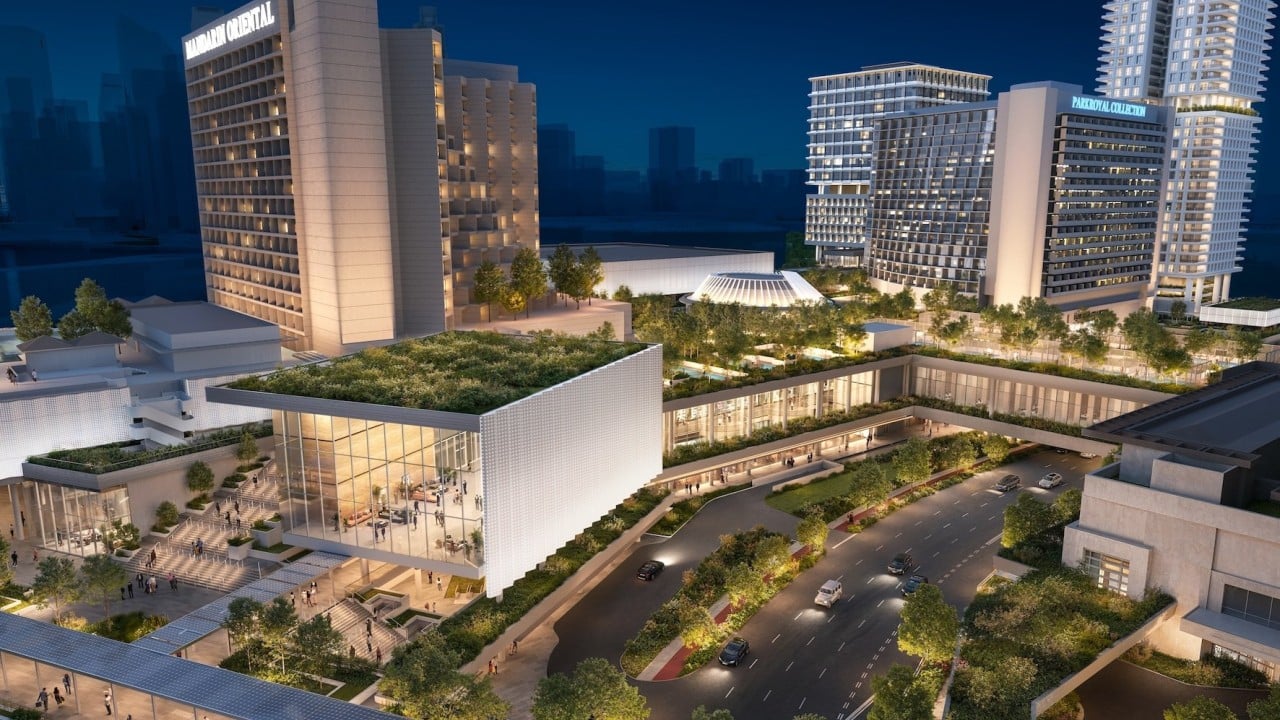
You can walk into Funan today and watch someone scale a rock wall fifty feet above the ground while shoppers carry bags of groceries right past them. Down the road, Jewel Changi features a massive indoor waterfall surrounded by thousands of real trees, drawing crowds who might not even have a plane ticket to catch. Retail spaces across the island changed dramatically over the last few years. Traditional brick-and-mortar stores took a massive beating from online shopping platforms, and landlords panicked. They realized that lining up rows of clothing boutiques and shoe shops no longer worked to get people through the doors.
People stopped visiting commercial spaces just to buy things. They wanted experiences, communal spaces, and reasons to leave their air-conditioned apartments that didn't involve opening their wallets for a new shirt. Singapore retail had to adapt or die. The evolution turned ordinary concrete boxes into massive indoor ecosystems combining healthcare, agriculture, sports, and entertainment under one roof.
The Death of the Pure Retail Model
For decades, the formula for a successful commercial complex in Southeast Asia felt completely bulletproof. You put a department store anchor tenant on one end, a supermarket on the other, fill the corridors with mid-market fashion brands, and pack the basement with a food court. Tenants signed long leases, foot traffic flowed steadily, and everyone made money. E-commerce destroyed that predictable blueprint.
When you can buy the exact same sneakers online while sitting on your couch at midnight for twenty percent cheaper, walking to a physical shop loses its appeal. Landlords watched their vacancy rates creep upward. They tried lowering rents, but that only attracted low-margin tenants who failed within months. The math stopped making sense. Shopping alone could no longer pay the high cost of urban real estate.
Space became the ultimate luxury. Mall operators understood they had to shift their focus from maximizing retail square footage to maximizing time spent inside the building. If a visitor stays for six hours instead of one, they spend money on food, parking, entertainment, and services. Retail became just one piece of a much larger puzzle.
Growing Food Indoors and Wellness Outlets
Walk onto the top floor of select commercial properties and you will find working urban farms instead of another furniture store. Edible Garden City and similar local initiatives transformed sterile rooftops into high-yield agricultural plots. These farms supply herbs and vegetables directly to the restaurants operating on the lower floors. Shoppers can trace their greens from the roof to their plates in the same building. That creates a hyper-local connection that online shopping simply cannot replicate.
Healthcare clusters moved in next to the supermarkets. You can now visit a dental clinic, get a health screening, and pick up your prescription right where you buy your weekly groceries. Dental chains, aesthetic clinics, and physiotherapy centers realized that convenience drives patient volume. People prefer booking a Saturday morning appointment if they can grab coffee and run errands immediately afterward.
Fitness offerings expanded far beyond the standard commercial gym membership. Indoor cycling studios, climbing gyms, and mixed martial arts academies took over massive anchor spaces previously held by fading department store brands. You sweat through a forty-minute workout, shower, and walk straight into a supermarket to buy fresh ingredients for dinner.
Community Living Rooms Replace Concrete Corridors
Singaporeans live in high-density public housing apartments. Living spaces can feel cramped, which turns climate-controlled public hubs into the default neighborhood living room. Operators recognized this cultural reality and redesigned their interiors to encourage lingering without the pressure to spend money.
You will spot teenagers studying on wide wooden steps, elderly residents gathering for morning exercise classes in open atriums, and remote workers holding meetings in brightly lit common seating areas. These public-facing upgrades require capital, but they build intense brand loyalty. People who visit a property every Tuesday to study or chat will eventually buy lunch or pick up household supplies there.
Community events drive massive weekend crowds. Local artisan markets, art exhibitions, and music performances turn sterile corridors into cultural hubs. Tenants benefit from the foot traffic generated by these non-retail happenings. Property managers now act less like landlords collecting rent and more like cultural curators programming a continuous festival.
What Property Owners Get Right Now
The transition required immense upfront investment. Retrofitting an older building to support hydroponic farming on the roof, reinforcing floors for climbing walls, or redesigning ventilation systems for complex F and B setups costs millions of dollars. Real estate investment trusts had to swallow short-term pain for long-term survival.
Successful operators focus on three distinct pillars to stay profitable:
- Hyper-convenience: Integrating essential services like medical clinics, childcare facilities, and supermarkets so visitors can handle entire weekend checklists in one trip.
- Differentiated entertainment: Offering experiences that defy digital replication, such as IMAX theaters with reclining seats, massive indoor play areas for kids, and large-scale sports facilities.
- Culinary destinations: Allocating up to forty percent of total floor space to food and beverage, ranging from hawker-style heritage stalls to high-end omakase counters.
Food remains the ultimate traffic driver. Singaporeans take dining out very seriously, and a fresh culinary lineup can rescue a struggling location overnight. Operators curate tenant mixes carefully, blending viral social media dessert brands with dependable everyday dining options.
The Shift Is Permanent
Physical retail spaces in Singapore will never return to the simple garment-and-goods model of the nineties. The transformation proved that bricks and mortar retain immense value when they offer what screens cannot touch: physical community, fresh food grown steps away from the kitchen, active recreation, and seamless daily convenience.
Next time you head out to run errands, look past the storefronts. Notice the people working on laptops in open lounges, the families heading toward the rooftop garden, and the community classes filling up the central atrium. The modern destination survived by refusing to sell products, selling a lifestyle instead.