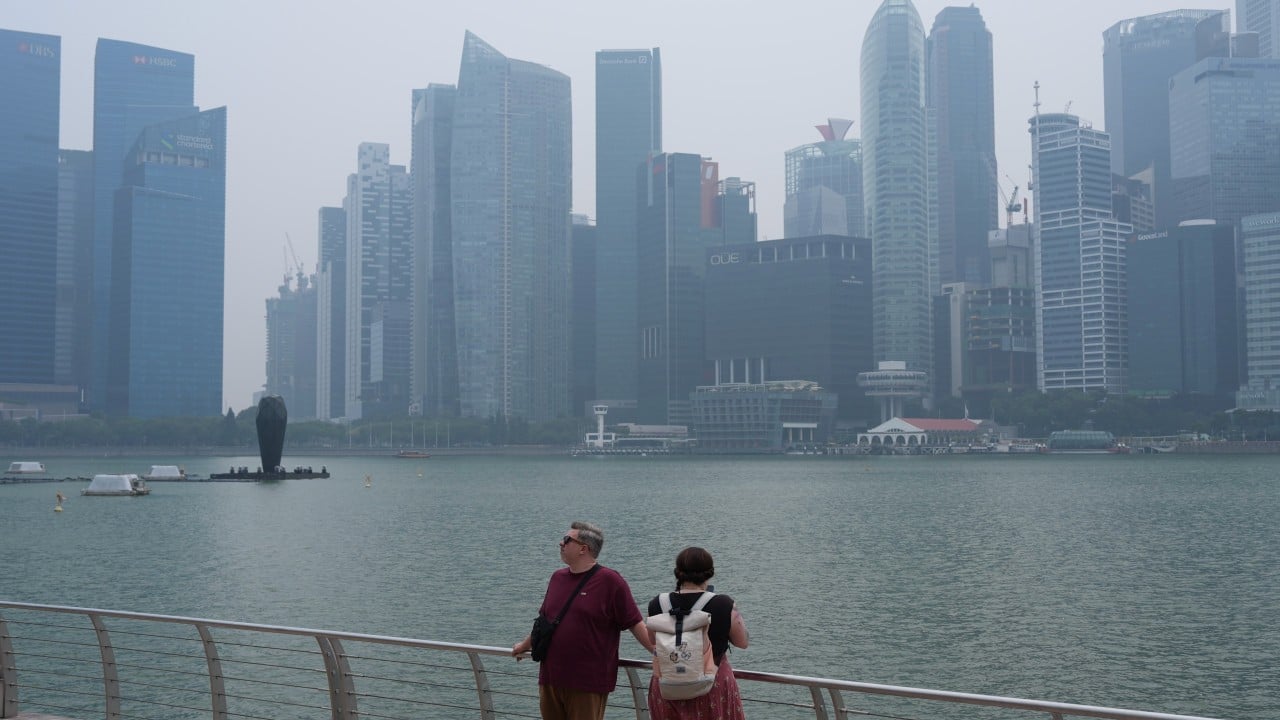
Singapore retrenchment rates have climbed to their highest levels since the disruptions of the pandemic era, shattering the illusion that the island nation's gleaming financial hub is immune to global economic gravity. Beneath the sleek glass facades of Marina Bay and the polished pitch decks of One-North, corporate boardrooms are quietly executing workforce reductions that expose the fragile underbelly of modern labor markets. The headline figures are troubling, but the structural shifts driving these pink slips are far more alarming. Workers who once believed their specialized skill sets guaranteed immunity are finding themselves abruptly unceremonious casualties of restructuring cycles fueled by efficiency mandates and shifting capital priorities.
This is not a temporary dip in the economic cycle. It is a fundamental reckoning with how corporate entities manage talent in an environment of persistent interest rates and plateauing productivity gains. When multinational corporations and regional headquarters trim their headcount, they are no longer merely cutting fat. They are amputating muscle, relying on automation, artificial intelligence, and offshore talent arbitrage to maintain margins that would otherwise shrink under the weight of hyper-inflationary operational costs.
The Anatomy of the Cut
The conventional narrative blames macroeconomic headwinds, geopolitical friction, and tightening venture capital funding. While these factors form the backdrop, the mechanics of modern Singapore retrenchment point inward. For years, white-collar professionals in banking, technology, and professional services enjoyed inflated compensation packages driven by aggressive expansion strategies. Companies hired for growth rather than utility, creating bloated organizational charts characterized by middle-management layers that added friction rather than value.
Now, the pendulum has swung violently toward austerity. The downsizing wave targets these very layers. When a regional tech giant or an international bank decides to restructure, the axe falls heaviest on strategy leads, product managers, and regional directors whose functions can be absorbed by centralized teams in lower-cost jurisdictions or automated through enterprise software.
Consider the plight of the mid-career specialist. A hypothetical software engineering manager with fifteen years of experience, earning a top-tier Singapore salary, faces a starkly different market today compared to three years ago. When laid off, they discover that competing openings have dried up or offer compensation packages slashed by thirty percent. Companies are no longer willing to pay a premium for localized talent when remote teams or regional hubs in Southeast Asia can deliver comparable output at a fraction of the overhead.
The Mismatch in the Workforce
A glaring structural disconnect exacerbates the current crisis. While retrenchment numbers rise, certain sectors report chronic labor shortages. Manufacturing, advanced engineering, and specialized trades scream for talent, yet the displaced white-collar workforce cannot simply pivot into these roles overnight.
Singapore has invested billions in upskilling initiatives and continuous education programs, but a fundamental friction remains. A displaced marketing director or financial analyst cannot easily transition into semiconductor manufacturing or advanced logistics without significant retraining, wage depression, and a complete reorientation of professional identity. The government's push toward workforce agility has run into the hard wall of economic reality: specialization creates depth, but it also creates vulnerability.
Furthermore, the local workforce faces intense pressure from globalized labor pools. Even as retrenchments occur, organizations continue to import specialized talent for critical shortages while shedding generalist office workers. This creates a bitter paradox where local professionals feel squeezed out from above by global expertise and undermined from below by automation and outsourcing.
The Cost of Corporate Face-Saving
Corporate communication during these layoffs relies heavily on euphemisms. Announcements are framed as strategic realignments, portfolio optimizations, or transformations for future growth. Human resources departments script messages about thanking employees for their contributions before locking their corporate email accounts by noon.
This sanitized approach masks the psychological and financial toll on Singaporean households. The cost of living in the city-state is among the highest in the world, driven by soaring housing prices, aggressive Certificate of Entitlement vehicle costs, and escalating educational expenses. A sudden loss of income, even cushioned by temporary severance packages, triggers immediate anxiety for families carrying hefty mortgages and financial commitments.
The social compact in Singapore has long rested on a simple promise: work hard, acquire relevant skills, and the system will provide stability and upward mobility. When retrenchments sweep through stable industries without warning, that compact frays. Employees begin to realize that institutional loyalty is a one-way street, discarded the moment quarterly projections miss their targets.
Navigating the Aftermath
Surviving this environment requires a radical departure from traditional career management. Professionals can no longer rely on tenure or corporate brand names to secure their futures. The emphasis must shift toward absolute modularity, where individuals view themselves as independent economic units renting their expertise to corporations rather than relying on them for security.
For policymakers, the challenge is even steeper. Protecting local employment without stifling the business dynamism that makes Singapore an attractive regional hub requires walking a tightrope. Overly restrictive hiring regulations risk driving multinational corporations to rival jurisdictions like Jakarta, Bangkok, or Dubai. Yet, laissez-faire indifference risks alienating a domestic population that bears the brunt of economic volatility.
The latest spike in job losses serves as a brutal diagnostic of a system under stress. The glossy exterior remains intact, but the engine beneath is sputtering as it confronts the limits of its own growth model.
The next quarterly employment report will arrive with its usual fanfare of statistics and government commentary, but the true measure of the crisis will not be found in the numbers alone. It will be found in the quiet recalculations happening across dining tables in HDB flats and condominiums across the island, as professionals realize that the rules of the game have permanently changed.