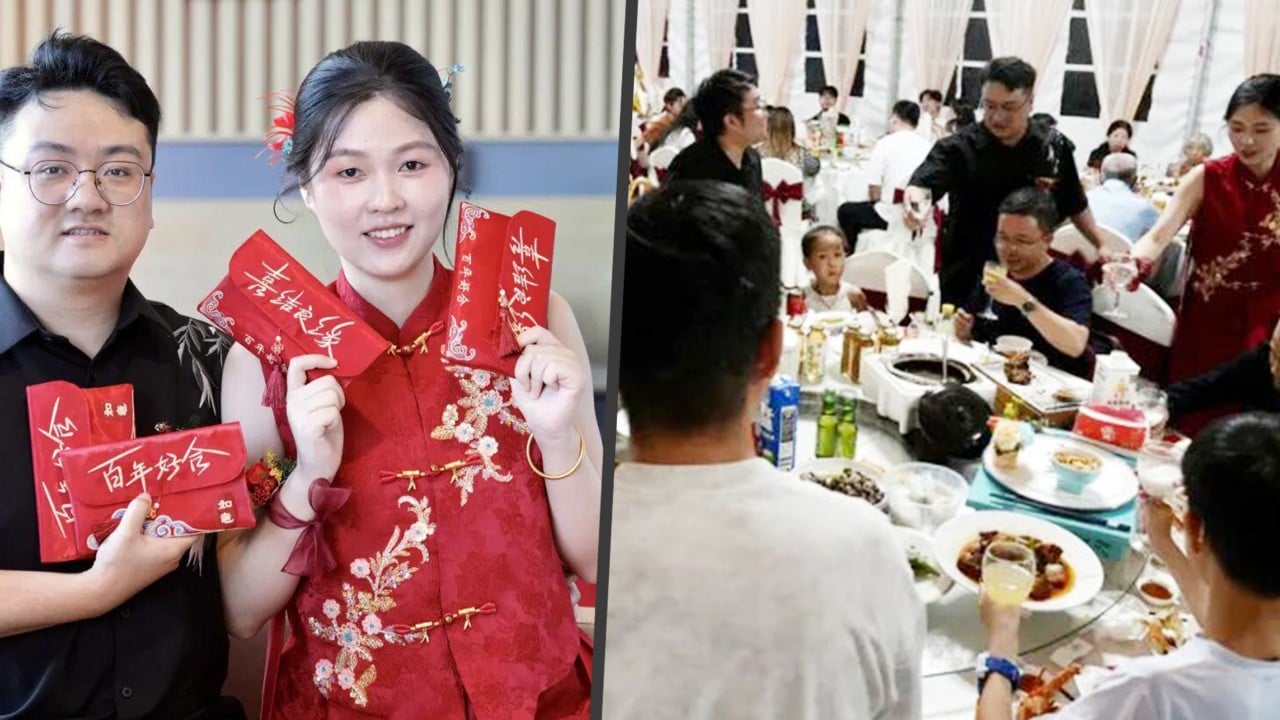
Wedding inflation has gotten completely out of hand. You book a venue, suddenly every vendor multiplies their quote by three, and before you even pick a floral arrangement you're staring down a bill that could buy a starter apartment or fund a serious business idea. That's why stories of couples trading wedding extravagance for a straightforward feast—like a couple in China reportedly putting their energy into an $11,000 dinner gathering and keeping things focused on cash gifts—hit such a nerve right now. Honestly, people are tired of paying theater prices for a single afternoon that leaves them stressed and broke.
Here's the real question behind why this trend keeps popping up in headlines and group chats: can you throw a genuinely memorable, generous celebration around food and company while ditching the bloated wedding industrial complex? Yes, you can. Often, you actually end up with a better party because the money goes into what guests care about most—good food, drinks, and time together—instead of chair sashes, multi-hour choreography, and stress-inducing timelines.
I've helped friends plan celebrations and watched plenty of couples get seduced by "full-service" packages that sound dreamy on Pinterest and feel like a second job in real life. There's a massive gap between what looks good on a curated mood board and what feels warm, relaxed, and meaningful in the room. Let's look at why stripping wedding extravagance down to a serious dinner works so well, where the traps hide, and how to pull it off without making your relatives feel shortchanged.
Why Trading Wedding Extravagance Changes the Whole Dynamic
Traditional weddings ask a lot from everyone involved. They ask couples to spend months negotiating contracts for things they barely use for ten minutes. They ask guests to sit through long stretches of logistics, dress codes, and rigid schedules.
When you pivot toward a dinner-first celebration, the math shifts in your favor right away. Food and hospitality are universally understood. Nobody needs an explanation for why a great table full of dishes, toasts, and conversation feels celebratory. In Chinese banquet culture and across plenty of other food-centric traditions, sharing an abundance of food isn't a "budget downgrade"—it's a classic sign of respect and warmth.
Let's be real about costs too. In the United States, industry trackers like The Knot have long shown average wedding spending climbing into the tens of thousands of dollars, driven heavily by venues, catering per head, photography, and event rentals. When a couple puts around $11,000 into a focused dinner instead of scattering money across a sprawling multi-part production, they're concentrating capital on a high-impact experience rather than paying ten different markups.
What changes socially is just as big. A formal wedding often feels like a performance where the couple is on stage and the guests are the audience. A great dinner flips that script. People lean in, pass plates, talk across the table, and actually catch up with relatives and friends they haven't seen in years.
Cash Gifts and the Unspoken Rules of Giving
Whenever a story mentions cash gifts alongside a simpler wedding or dinner, eyebrows go up. Some people love the practicality. Others worry it looks transactional or greedy.
In many East Asian cultures, gifting cash in red envelopes (hongbao or laisi) is completely normal and expected at weddings and major family milestones. Cash isn't seen as cold; it's practical support to help a new household start strong. In Western contexts, people sometimes feel squeamish asking straight up for money, even though plenty of guests prefer giving cash or contributing to a fund rather than guessing from a registry or hauling a blender across town.
Still, there's a fine line between "no fuss" and "treating guests like ATMs." If you cut out the fluff and treat your guests like royalty at the dinner table—great food, welcoming atmosphere, zero nickel-and-diming—cash gifts feel like a natural exchange of goodwill. If you throw cheap food, make people wait around forever, and put a Venmo handle on every napkin, people will talk. And not in a good way.
From what I've seen, transparency and tone do heavy lifting here. You don't need a dramatic speech about financial freedom or anti-capitalism. A simple, warm note letting guests know you're skipping a traditional ceremony in favor of a big family-style dinner—and that your presence matters most, with cash gifts welcomed if they'd like to contribute to your future—sets expectations cleanly.
What Most People Get Wrong About "Low-Key" Celebrations
"Low-key" sounds easy on paper. In practice, people trip over a few predictable mistakes.
First, they confuse casual with unplanned. A great feast still needs solid coordination. Someone has to confirm headcount, dietary needs, seating flow, timing of courses, and how toasts or speeches happen so nobody's talking over soup. If the hosts are running around managing deliveries all night, nobody relaxes.
Second, they underestimate family expectations. Even when a couple is totally aligned on skipping pomp and circumstance, parents, aunts, uncles, or close friends might hold onto specific ideas about what makes a union "official" or respectful. Ignoring those feelings completely can create friction that lasts way longer than the dinner. Having an honest conversation early—and maybe finding one small touch that honors family tradition without blowing the budget—saves a lot of headaches.
Third, people forget that cutting one expensive element sometimes exposes hidden costs elsewhere. Maybe you skip a florist and a DJ, which is great, only to find out the private dining room has a steep food-and-beverage minimum or a corkage fee that catches you off guard. Always read the fine print on minimums, service charges, and taxes before locking in a spot.
Here's a quick reality check on common assumptions versus how things play out in real life:
- Assumption: Skipping a big wedding means guests won't take the occasion seriously. Reality: Guests take cues from how welcoming and intentional the gathering feels, not from how expensive the invitations look.
- Assumption: A big dinner automatically saves tons of effort. Reality: You trade vendor management for menu planning, guest list curation, and hosting energy—still real work, just much more direct.
- Assumption: Cash gifts are always awkward to mention. Reality: In cultures where cash is customary, it's standard practice; elsewhere, phrasing it clearly and gently usually works fine as long as there's zero pressure.
How to Decide If a Feast Beats a Traditional Wedding for You
Not every couple wants the same thing, and there's zero shame in wanting a big white wedding if that genuinely excites you and fits your finances without wrecking your peace of mind. A feast isn't a moral upgrade over a traditional wedding. It's just a smarter fit when your priorities point that way.
Ask yourself what you actually care about six months after the event. If you care most about sharing an unforgettable meal with the people closest to you, keeping stress low, and putting extra money toward travel, housing, or savings, a dinner-focused celebration makes a ton of sense. If you dream about a classic ceremony, walking down an aisle, and a packed dance floor, trying to fake that with a small dinner might leave you feeling like you settled.
Also look at your guest list. A feast works best when you have a clear sense of who belongs at the table. If you're inviting two hundred acquaintances out of obligation, the intimacy that makes a dinner special starts to fade. Keeping the circle meaningful—whether that's twenty people at a long table or eighty people across banquet rounds—helps the night feel personal.
Practical Next Steps If You Want to Plan a Dinner-First Celebration
If you're thinking about trading wedding extravagance for a big, memorable meal, start with clarity before you call a single restaurant.
- Pick a hard number first. Decide what you're genuinely comfortable spending—say, around $10,000 to $12,000 or whatever fits your actual budget—and factor in roughly 20% to 25% extra for tax, gratuity, and surprises.
- Draft a rough guest count early. Food costs scale fast with headcount. Know whether you're feeding 25, 50, or 100 people before touring spaces.
- Talk to key family members early. Share your vision plainly so there aren't hurt feelings or last-minute surprises around traditions or who's invited.
- Look for places built around food. Restaurants with private rooms, banquet halls known for great kitchens, or spots that do family-style platters often give you better value and smoother execution than raw event spaces where you bring everything in yourself.
- Handle cash gift wording with warmth. Keep it simple, clear, and pressure-free so guests know what to expect without feeling awkward.
At the end of the day, a celebration is supposed to bring people closer together and mark a real step in your lives. Good food, generous hospitality, and zero financial hangover? Honestly, that's hard to beat.