The air always smells like wet slate and burnt copper after a system like Rachel finishes tearing through. You step outside onto a porch slick with pine needles and grit, and for a second, the silence is so absolute it feels heavy. The wind has dropped. The sirens have stopped wailing down on the highway. But the quiet is a liar.
Weather whiplash does not announce itself with another gale-force scream. It creeps in through the floorboards.
To understand what remains in the wake of a storm like Rachel, you have to look past the downed power lines and the bruised aluminum siding of suburban garages. Those are just the visible scars. The real threat lives in the kitchen table math happening in thousands of homes right now: the sudden, crushing realization that the safety net you thought you owned was made of cheap twine.
Consider a hypothetical homeowner named Marcus, living three miles inland from where the storm surge finally gave up its breath. Marcus is thirty-eight. He works in logistics, fixes his own lawnmower, and pays his insurance premiums on time every single month. When Rachel made landfall, he watched oak limbs bounce off his roof with the calm detachment of a man who believed his policies protected him.
Two days later, Marcus is staring at a two-inch puddle in his finished basement that smells faintly of sewer backup.
Here is what the standard forecast brochures leave out. Storm Rachel wasn't just a heavy rain event; it was a thermodynamic punch to the jaw that saturated soil to its absolute breaking point. When the ground is already holding every drop of water it can possibly swallow, the next weather system doesn't need to be a hurricane to cause chaos. It just needs to be a regular Tuesday shower.
That is the whiplash. The transition from emergency response to recovery gridlock.
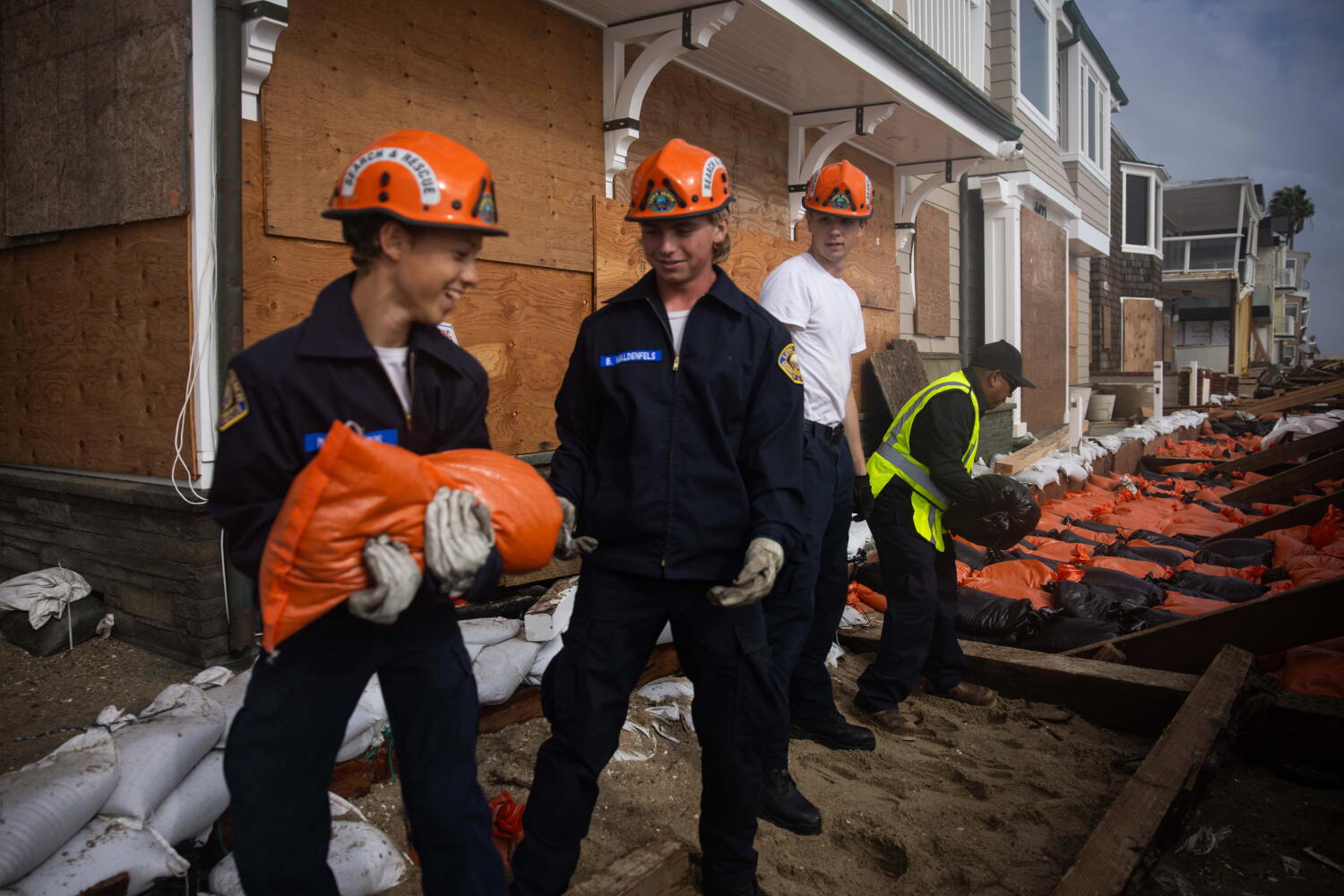
Meteorologists talk about atmospheric rivers and barometric pressure drops with the clinical detachment of surgeons. They map the jet stream like it’s a highway system in the sky. But down here in the mud, pressure is something that squeezes your chest when you check your checking account balance after paying a local contractor four times his normal rate to tarp a gaping hole in your roof.
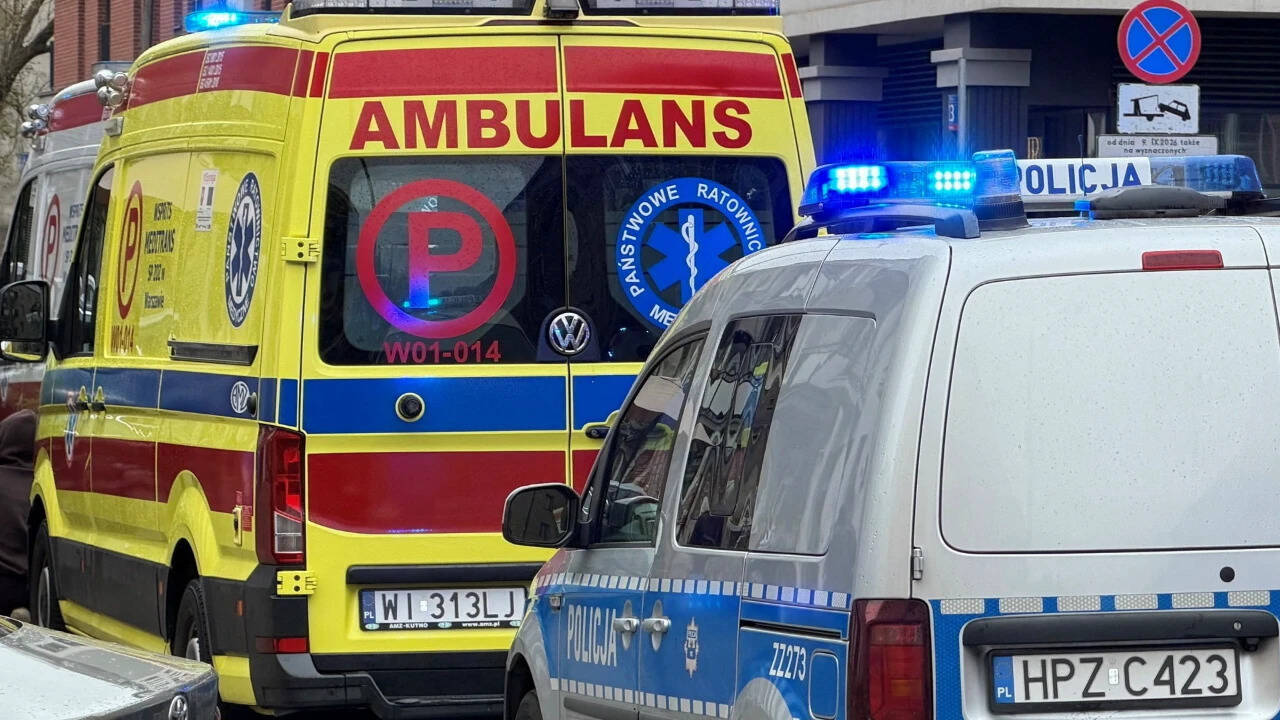
The immediate danger of Rachel has retreated toward the open Atlantic, trailing ragged clouds behind it like torn flags. Yet the hazards mutate. Rivers swollen by hours of relentless downpours are cresting slowly, turning quiet country lanes into treacherous, debris-choked canals. Swift-water rescue teams are still pulling people out of cars stalled in dips on rural routes where drivers misjudged the depth of a puddle that hid a washed-out culvert.
Never trust standing water. It hides missing pavement. It hides jagged sheets of corrugated tin torn from industrial parks fifty miles away. It hides bacteria that can turn a small scrape on a shin into a week-long hospital stay.
Beyond the physical danger lies the psychological toll of the pendulum swing. We are wired to respond to acute crises. Adrenaline floods the system; we pack go-bags, tape windows, and watch the local news ticker crawl across the screen with white-knuckled focus. But humans are biologically unequipped for chronic, low-grade recovery dread.
The sun is coming out now. That is supposed to make everyone feel better. That is what the morning anchors say with their practiced, teeth-baring smiles as they point to the satellite loops clearing over the coast.
The sun is actually the enemy.
Rapid clearing and sudden temperature spikes after a heavy winter or early spring storm create a fast-freeze or flash-melt scenario depending on the latitude, but in Rachel’s case, the immediate warmth baked the saturated earth, turning damp basements into breeding grounds for black mold within forty-eight hours. The humidity spikes indoors while freezing winds threaten overnight lows outside. It’s a thermal seesaw. Houses expand and contract. Pipes that survived the initial freeze-thaw cycles crack under the sudden pressure differential.
People think preparedness means buying three cases of bottled water and a flashlight with a hand crank. That’s rookie preparation. That gets you through the first twelve hours when the grid blinks out and the refrigerator hum dies.
True preparedness is understanding the second-order effects. It’s knowing that municipal water treatment plants lose power, meaning boil-water advisories trail behind the storm front like a ghost. It’s knowing that supply chains don't bounce back instantly just because the wind stopped blowing. Grocery store shelves remain bare of fresh produce not because the food doesn't exist, but because eighteen-wheelers are parked miles away, waiting out washed-out bridge inspections on the interstate.
We live in a fragile choreography of asphalt, wire, and pipe. We forget this during mild summers. We are brutally reminded of it every time a low-pressure system deepens off the coast and spins up a name like Rachel.
If you survived the peak of the system without structural damage, don't exhale just yet. Walk the perimeter of your property. Look up at the crown of your mature trees. Heavy, water-logged soil combined with lingering wind gusts creates the perfect recipe for delayed root failure. A tree doesn't always fall when the wind is howling at sixty miles per hour; often, it lets go twelve hours later when the roots finally give up their grip in the soupy mud.
Check your gutters. Clear the leaves that Rachel jammed into every downspout before the next front rolls in later this week. Because the weather whiplash isn't a metaphor for future climate trends; it’s happening right now, tracking across the radar screen in a dizzying swing from flood warnings to freeze watches.
The storm is gone. The work is just beginning. And the sky overhead is a brilliant, mocking blue, wide and empty and entirely unconcerned with what is happening in the dark, damp corners down below.