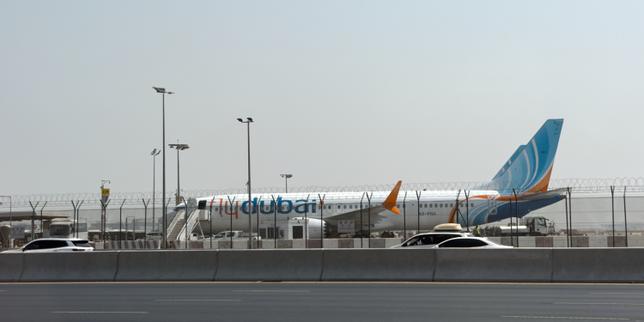
The air inside an aircraft cabin is a manufactured environment. It is pressurized, thinned, and recycled, carrying the collective breathing of hundreds of strangers who have placed their lives into the hands of invisible authorities. We board these silver tubes with a quiet, practiced faith. We store our bags, buckle our seatbelts, and surrender control to two figures behind a locked reinforced door at the front of the plane.
We assume they are united. We assume they are calm.
We do not imagine the fracture.
Consider what happens when the absolute bedrock of that trust dissolves. Not from an engine failure, not from a violent storm churning over an unforgiving ocean, but from something far more fragile and terrifying: human conflict.
The Silence Behind the Door
An airplane cockpit is remarkably small. It is a dense forest of dials, switches, screens, and blinking lights, all bathed in the faint, ghostly glow of instrumentation. Two pilots sit shoulder to shoulder, separated by only a few inches of console space, yet they are tethered together by a heavy invisible rope. Every decision is shared. Every emergency is a synchronized dance of checklists and cross-checking.
When a flight bound for Israel from a neighboring or transit point abruptly diverts to Saudi Arabia, air traffic controllers watch the blip on their radar screens alter its geometry. To the ground, it is merely a vector change. A deviation. A sudden, sharp turn over the Arabian Peninsula.
Passengers look out the small plastic windows, squinting against the blinding sunlight or the ink-black expanse of the desert night, wondering if there is a mechanical hiccup. A warning light in the galley. A drop in cabin pressure.
They do not know. They cannot see the sudden violent surge of adrenaline behind the flight deck door.
The Anatomy of a Breaking Point
Human beings are remarkably resilient, right up until the exact moment they are not. In high-stress professions, fatigue is a slow-acting poison. It creeps into the corners of the mind, fraying patience, magnifying minor grievances, and turning a minor disagreement into an unbridgeable chasm.
When an argument inside a cockpit escalates from sharp words to physical violence—specifically involving a knife—the safety margin of the entire flight vanishes in a heartbeat. The aircraft is no longer just a machine moving through airspace; it is a volatile arena.
The pilot and co-pilot are supposed to be a single organism operating a complex vessel. When one turns against the other, the foundational physics of aviation remain unchanged, but the human element implodes. The autopilot might hold the heading, but who is watching the altitude? Who is calculating the fuel burn? Who is talking to the controllers on the ground?
Panic is a contagious disease, but professionalism is supposed to be an inoculation. Yet, even the most rigorous training can buckle under the weight of an unexpected betrayal from within.
Touching Down in Unfamiliar Territory
The descent into Saudi Arabia was not part of the flight plan.
For the passengers, the landing is the first physical clue that something is profoundly wrong. The wheels hit the tarmac with a jolt, the reverse thrusters roar to life, and the plane decelerates into the unfamiliar expanse of an airport tarmac far from the intended destination.
Look out the window now. The architecture is different. The security forces surrounding the aircraft are not the friendly airport staff greeting tired travelers at a holiday gate. They are armed, serious, and moving with purposeful urgency.
Questions ripple through the cabin in a dozen different languages. Rumors spark like dry tinder. Some whisper of a bomb. Some whisper of mechanical failure. Very few can guess the stark, bizarre truth: that the men steering them through the clouds had turned their weapons on each other.
The Aftermath of the Unimaginable
When the doors finally open, the fresh air rushes in, but the illusion of security is gone. Passengers file out into terminals under the watchful gaze of authorities, carrying their carry-on bags and the sudden, heavy realization of how close they came to the edge.
We live in an era where we trust technology implicitly. We trust the algorithms, the composite materials, the redundant hydraulic lines. But every machine, no matter how advanced, is ultimately tethered to the fragile, erratic mind of a human being.
The flight was bound for a specific destination, but it arrived somewhere entirely different—not because of the wind, or the stars, or the machinery of the sky, but because of the untamed wilderness that exists inside us all.