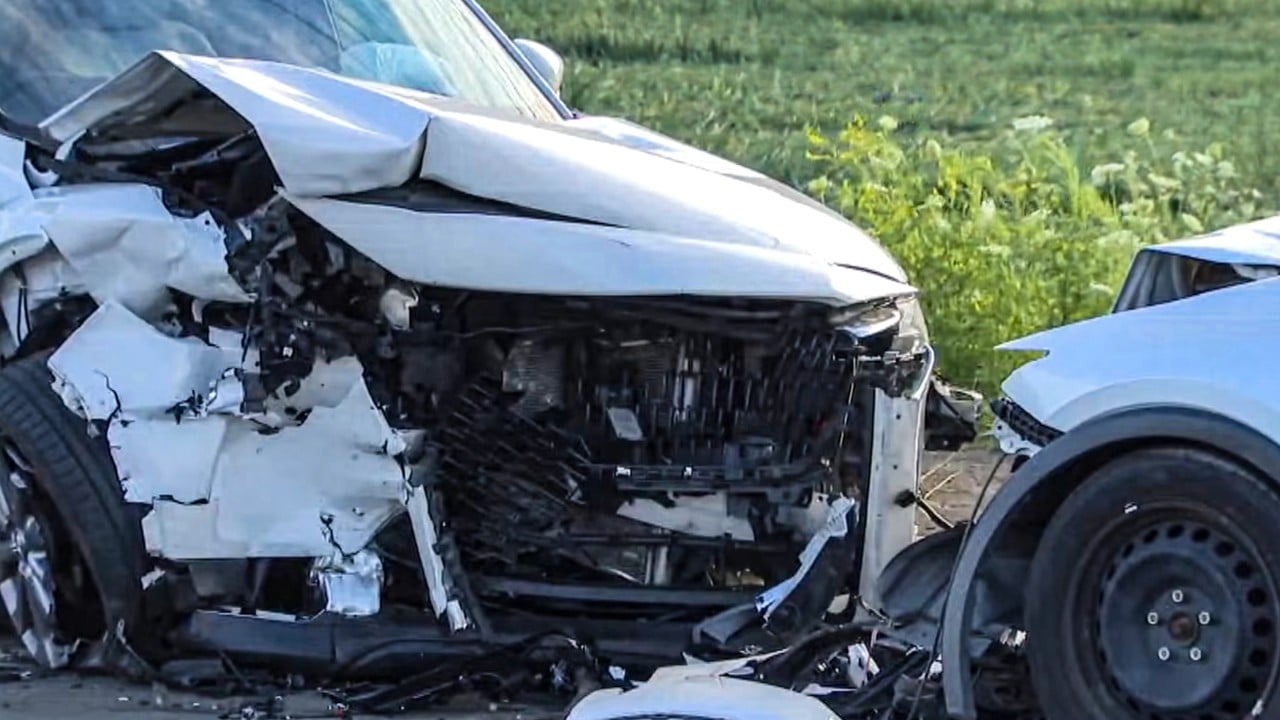
A horrific highway crash and sudden inferno in southern Vietnam left seven passengers dead and five injured on July 21, 2026. The tragedy occurred around 2:30 a.m. along National Highway 1 in Hung Thinh Commune, Dong Nai Province. A 24-berth sleeper bus carrying 33 people struck a roadside embankment, hit another barrier, and caught fire at the front. Flames swept through the vehicle within minutes.
Seven people lost their lives, including three children. Five others suffered injuries and required emergency care at Thong Nhat General Hospital. Nearby residents rushed out with handheld fire extinguishers, but the fire moved too fast. By the time emergency crews extinguished the blaze, the vehicle was completely gutted.
This tragedy isn't an isolated mishap. It marks the second major sleeper bus incident in Vietnam within a single week, following another severe accident on July 17 in Ha Tinh Province. For anyone traveling across Vietnam's long-distance highway networks, these recurring disasters highlight systemic safety risks that regulators and transport companies can no longer ignore.
The Details Behind the Dong Nai Bus Fire
Police investigations led by the Ministry of Public Security and Dong Nai local authorities are examining the exact mechanical and structural causes of the crash. Preliminary reports state that 41-year-old driver Tran Thanh Hai from Khanh Hoa Province was navigating a route from Lam Dong Province toward Ho Chi Minh City.
The bus lost control on a highway slope and struck the embankment. The impact caused an immediate fire near the front cab. Sleep-deprived passengers woke up to thick smoke and rapid flame propagation throughout the narrow central aisle.
Emergency responders diverted traffic and managed to douse the fire, but for seven victims trapped inside, escape was impossible. Local authorities cordoned off the area for forensic analysis to determine whether mechanical failure, electrical sparking from the initial impact, or driver fatigue triggered the fatal turn of events.
Why Long Distance Sleeper Buses Present Unique Fire Risks
Nighttime sleeper buses serve as a primary transport mode across Southeast Asia because they're affordable and cover long distances overnight. However, the design of these vehicles creates significant safety hazards during a crash.
High-density seating and stacked sleeping berths compress interior space. When a fire breaks out at the front exit, occupants in middle or rear berths face narrow walkways blocked by luggage, fallen debris, or thick smoke.
Electrical Wiring and Aftermarket Modifications
Many long-distance buses undergo custom aftermarket modifications to fit extra amenities like individual power outlets, personal lighting, audio systems, and air conditioning units. Faulty wiring or overloaded electrical circuits frequently serve as ignition points when subjected to heavy physical impacts.
When a bus crashes into a concrete barrier at high speed, exposed fuel lines or ruptured battery compartments can ignite instantly. Synthetics in modern seating materials burn fast, producing dense toxic fumes long before flames engulf the cabin space.
Blocked Exits and Emergency Escape Hurdles
Sleeper buses often lack easily accessible emergency windows or functional hammers. During overnight journeys, passengers are usually asleep and barefoot. In panic conditions under total darkness and blinding smoke, finding emergency exit latches becomes almost impossible.
When vehicles roll over or crash sideways against highway embankments, doors jam. Without reinforced emergency hatches on the roof or functional pop-out side windows, survival chances drop drastically within seconds.
Overworked Drivers and the Reality of Night Highway Routes
Night routes between major economic hubs like Ho Chi Minh City and provincial towns like Lam Dong run during peak fatigue hours between 1:00 a.m. and 4:00 a.m. Drivers frequently work long shifts with minimal rest stops to meet strict delivery and drop-off schedules.
Microsleep and slow reaction times remain leading factors in night crashes along National Highway 1. When a vehicle carrying dozens of passengers drifts toward a concrete median or embankment at high speed, the driver has less than two seconds to correct course.
Strict enforcement of maximum driving hours and mandatory rest periods remains inconsistent across regional transport operators. Transport companies often prioritize quick turnarounds over driver health and equipment maintenance schedules.
Critical Safety Measures Every Passenger Should Take Today
You don't have to leave your safety purely to luck when booking long-distance road trips in Vietnam or neighboring countries. Taking direct personal precautions before the bus leaves the station can save your life.
- Identify exits immediately when boarding: Don't just settle into your berth and go to sleep. Locate the nearest emergency exit window, check for the presence of a window hammer, and make sure the main entrance door isn't obstructed by excess luggage.
- Choose lower berths near middle or rear exits: Front berths carry the highest risk of immediate impact damage and front-engine fire exposure. Berths positioned near central emergency doors or rear escape hatches offer clearer escape paths.
- Keep shoes and essential items within arm's reach: Keep a pair of slip-on shoes, your phone, and a small flashlight or phone light right next to your berth. Trying to find footwear or a light source in a smoke-filled, overturned bus wastes critical seconds.
- Check operator reviews and fleet standards: Pick established transport lines that publicize clear fleet maintenance policies and enforce strict two-driver limits for long overnight journeys. Avoid low-cost operators known for overcrowding aisles with cargo.
What Transport Authorities Must Implement Right Away
Addressing highway fatalities requires direct structural enforcement from traffic management authorities and the Ministry of Transport rather than relying solely on passenger awareness.
First, regulatory bodies need to conduct rigorous, unannounced inspections of all active sleeper bus fleets. Vehicles with unauthorized electrical modifications, broken emergency hammers, or non-functional escape hatches should lose their operating licenses immediately.
Second, mandatory installation of automatic fire suppression systems in engine compartments and main electrical junction boxes would prevent small collisions from turning into rapid infernos.
Finally, real-time GPS monitoring and driver monitoring cameras must be enforced across all commercial long-distance fleets to prevent speeding, sudden lane drifting, and fatigue-induced accidents on hazardous highway stretches.
Protect your safety on night routes by inspecting your vehicle's emergency features before departure, selecting reputable transport operators, and staying alert during high-risk overnight hours.