The wind in the passes does not care about borders. It carries the dust of the high plateau across stone and shale, sweeping down into valleys where stone houses cling to the earth like barnacles.
Dawn comes hard here. It arrives not with the gentle pink of postcards, but as a sharp, sudden glare that strips the shadows from the ravines. On a morning like any other, the air shivered. Then came the sound. It was a dull, heavy concussive thud that rolled across the peaks, followed moments later by the thin, high whine of jets tearing open the sky.
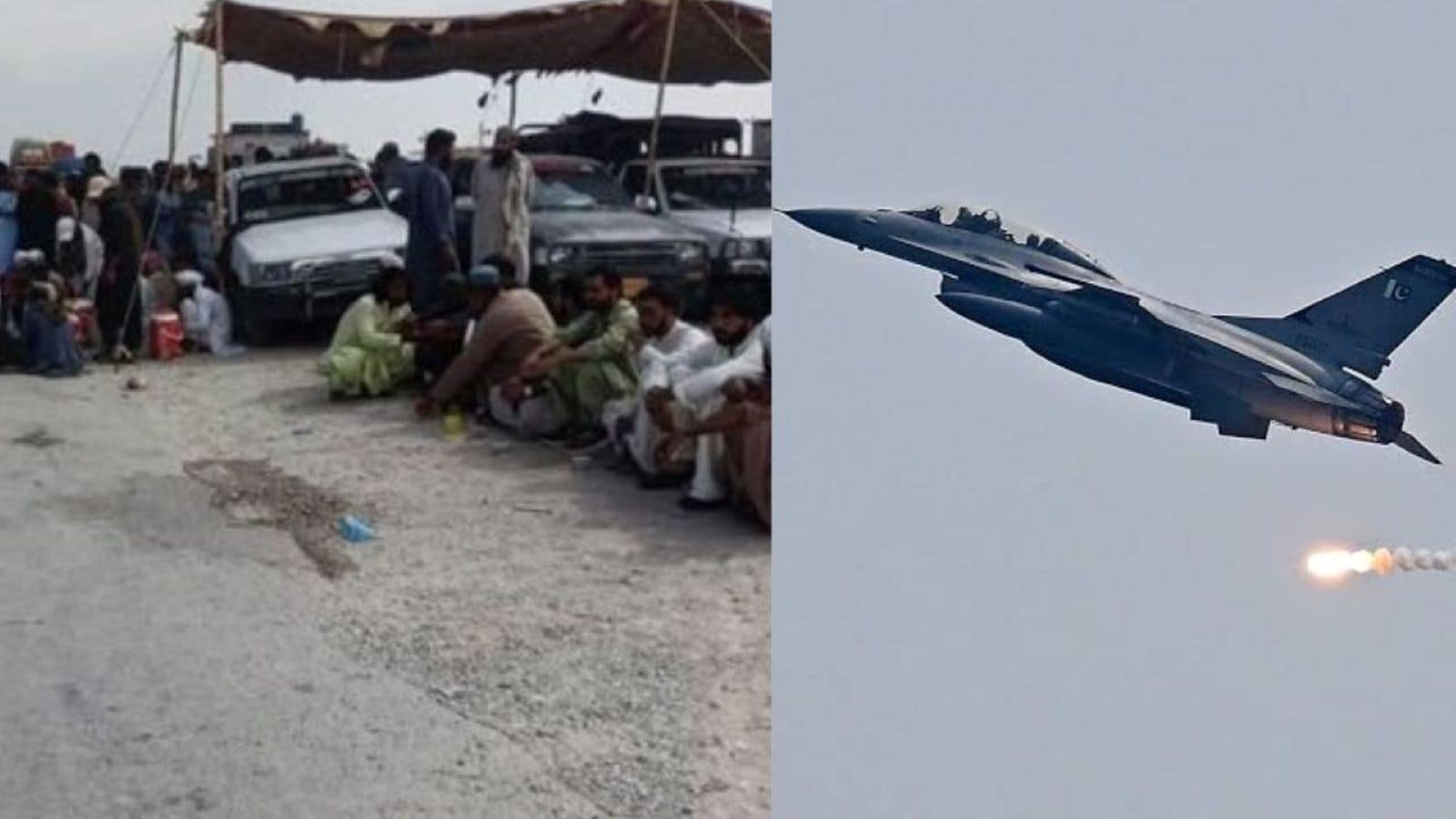
Pakistan had launched airstrikes in Balochistan.
To read a news ticker is to see numbers stripped of breath. Thirty-two. That was the figure echoing through the wires, rattling the quiet desks of editors thousands of miles away. Thirty-two soldiers. The Balochistan Liberation Army, an insurgency that has long dug its roots deep into the rugged soil of Pakistan’s largest and most resource-rich province, claimed the lives. They claimed coordinated assaults, sweeping through outposts, leaving devastation in their wake. And so the state answered in the only language it seems to remember. Fire from above.
We talk about geopolitics as if it were a game of chess played by ghosts. We look at maps colored in shades of green and brown, drawing neat little lines around territories, forgetting entirely that beneath those lines lie flesh, bone, and ancient grievances.
I know what the dust tastes like when the air turns sour. I know the peculiar, hollow silence that settles over a town right after the concussions stop and everyone holds their breath, waiting to see whose roof has fallen.
Consider what happens next in a cycle as old as the hills.
A separatist group strikes. A government retaliates with overwhelming force. The retaliatory bombs strike the earth, raising plumes of black smoke that mingle with the morning clouds. In the capital, officials point to the necessity of sovereignty, the absolute duty to crush armed rebellion. In the villages, families bury their dead and nurse a bitter, unyielding resentment that hardens into the next generation of recruits. The wheel turns. Blood answers blood.
Balochistan is a paradox written in rock and oil. It sits atop vast wealth. Natural gas pours from its belly to fuel distant cities; copper and gold lie hidden in its ancient folds. Yet, for all its mineral riches, the people who walk its paths often find themselves wrestling with deep poverty, a profound sense of neglect, and the suffocating weight of marginalization. For decades, local leaders and activists have raised voices that echo in administrative hallways only to be dismissed as murmurs of treason. When peaceful avenues narrow to a vanishing point, violence steps into the vacuum.
The Balochistan Liberation Army understands this vacuum intimately. They operate in the shadows of the mountains, moving through terrain they have known since childhood. Their recent wave of attacks was not a random act of desperation; it was a calculated, brutal demonstration of capability. Striking multiple targets, overwhelming outposts, and leaving thirty-two soldiers dead was designed to pierce the armor of military invulnerability.
And it worked. The state could not ignore a blow of that magnitude.
When the jets scrambled, they were carrying more than ordnance. They were carrying the wounded pride of an institution that views any challenge to its territorial integrity as an existential threat. The resulting airstrikes targeted suspected militant hideouts, according to military briefings, seeking to root out the insurgency at its source.
But what is the source of a shadow?
You cannot bomb an ideology. You cannot strafe a grievance from twenty thousand feet. Every time a bomb falls, the geography of the conflict shifts just a fraction deeper into the hearts of the civilians caught in the crossfire. They are the ones who do not wear uniforms, who do not issue press statements, and whose names never make it onto the official tallies of the fallen. They are simply trying to herd goats, tend small patches of stubborn wheat, and survive the day without a piece of shrapnel finding its way through a mud-brick wall.
History teaches us a harsh lesson across continents and centuries. Asymmetric warfare does not end when one side proves it has bigger guns. It merely mutates. It goes underground, waits out the storm, and lets the anger simmer until the next spark hits the dry grass.
The state will secure the roads for a time. Checkpoints will multiply. Soldiers will grip their rifles a little tighter, scanning the ridges with eyes burning from lack of sleep and hyper-vigilance. The BLA will pull back into the folds of the Sulaiman range, counting their losses, licking their wounds, and preparing for the next long night.
Meanwhile, the mountain wind keeps blowing. It sweeps across the craters left by the jets, smoothing the ash into the sand, erasing the human footprints until the next time the sky splits open.
Silence returns to the valley. But it is not peace. It is only the space between heartbeats, waiting for the drum to sound again.