Western foreign policy commentary operates under a massive, embarrassing blind spot.
Every time a Pacific island nation ink-signs a memorandum or grants port access to a foreign vessel, Washington panics, Canberra holds an emergency briefing, and mainstream media outlets pump out identical headlines about the expanding geopolitical chessboard. The narrative is always the same: small, vulnerable nations are being bought, coerced, or outmaneuvered by major global powers.
It is a completely broken framework.
The Western press treats the Solomon Islands signing a bilateral patrol agreement with the US Coast Guard—right after securing a security pact with Beijing—as a desperate balancing act or a sign of diplomatic confusion. They call it a strategy of non-alignment.
They are wrong. It is not non-alignment. It is aggressive, transactional competition engineering.
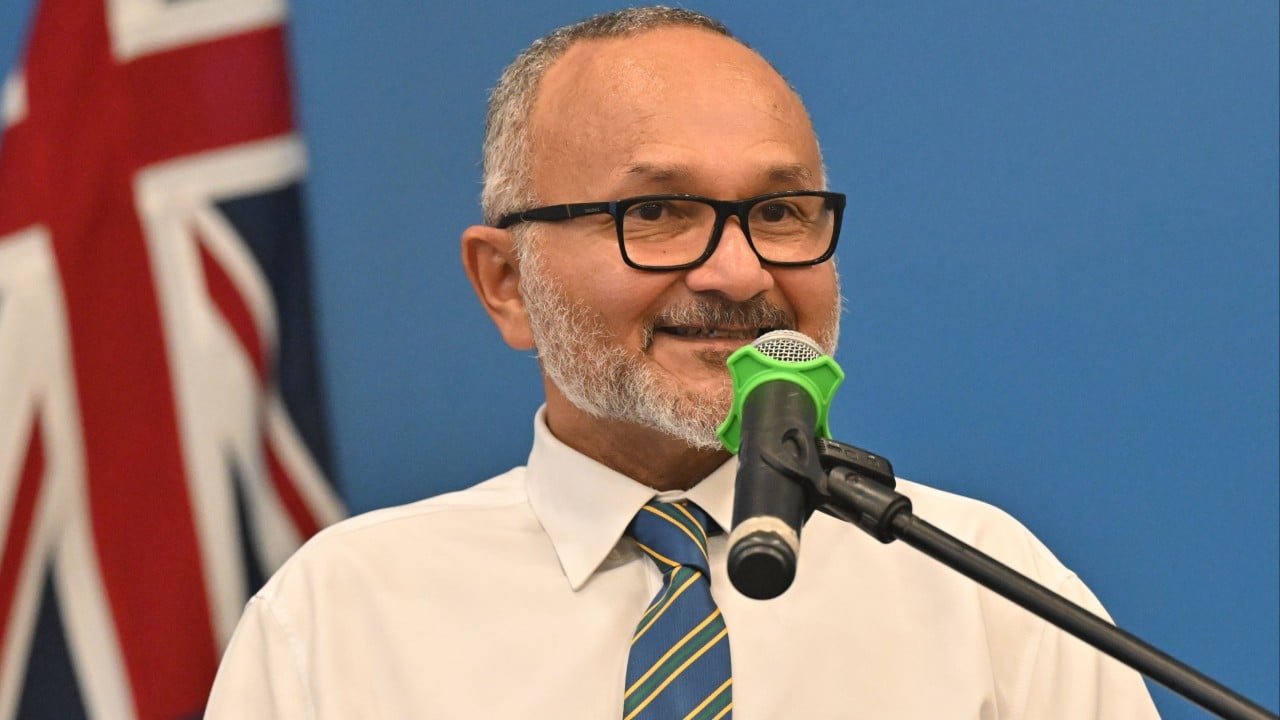
For decades, small island states were treated as passive theater for power projection. Today, Prime Minister Jeremiah Manele and his administration are running circles around Western diplomats by turning the Pacific security panic into an open, high-yield bidding war.
Stop Viewing Small Nations as Pawns
The media loves a simple cold war framework. It is easy to write. China builds a police training facility in Honiara; therefore, Beijing owns the government. The US Coast Guard arrives to monitor illegal fishing; therefore, Washington is reasserting dominance.
This view requires you to ignore basic economic reality.
Honiara does not care about Washington’s grand strategy for the Indo-Pacific. It does not care about Beijing’s long-term maritime ambitions. What Honiara cares about is sovereign revenue, infrastructure funding, and maritime enforcement without the burden of paying for a standing navy.
+-----------------------------------------------------------------------+
|                       THE DIPLOMATIC FEEDING FRENZY                   |
+-----------------------------------------------------------------------+
|                                                                       |
|  [ Beijing ]   --->   Provides Police Training & Infrastructure      |
|                                                                       |
|                               SOLOMON ISLANDS                         |
|                                                                       |
|  [ Washington ] --->  Provides Free Maritime Patrols & EEZ Protection |
|                                                                       |
+-----------------------------------------------------------------------+
By keeping Beijing in the headlines, Honiara guarantees that every Western delegation arrives with open checkbooks and expedited bilateral agreements. If the Solomon Islands signed exclusively with China, Western attention would quickly shift from strategic courting to economic sanctions and diplomatic isolation. If they stayed strictly in the Western camp, they would return to being an afterthought, receiving token aid packages buried in regional bureaucracy.
By playing both sides simultaneously, they force both powers to fund their domestic priorities. The US Coast Guard absorbs the immense operational cost of patrolling thousands of square miles of Exclusive Economic Zone (EEZ) against dark-fleet fishing operations. China finances physical infrastructure and domestic security apparatuses.
Honiara pays almost nothing. They outsourced the expensive parts of statehood to competing superpowers.
The Myth of Maritime Containment
Washington foreign policy circles routinely fall for the illusion of maritime containment through maritime law enforcement agreements.
Maritime Shiprider agreements allow local law enforcement officers to ride aboard US Coast Guard cutters to enforce local laws in national waters. Analysts frame this as a strategic win that locks China out of critical sea lanes.
I have watched policy teams burn millions of dollars on enforcement frameworks that look brilliant on paper and fail instantly in practice. Here is why the Coast Guard deal changes very little about the geopolitical baseline:
- Jurisdiction remains local: A US cutter cannot seize a vessel or arrest a crew in foreign waters without explicit authorization from the host nation's embarked officer.
- Political vetoes apply in real time: If a foreign vessel tied to host-nation economic interests is intercepted, political pressure can halt enforcement before a boarding party even deploys.
- Assets are mobile; infrastructure is permanent: A Coast Guard cutter patrols for two weeks and sails away. A Chinese-funded port facility or communications tower stays on the island forever.
Western strategists confuse presence with influence. Hosting a US vessel to catch illegal fishing boats is an operational convenience for Honiara. It is not an ideological commitment to the rules-based international order.
Why Washington Keeps Losing the Cost-Benefit Equation
If you want to understand why Western policy in the South Pacific feels reactionary, look at the incentives.
Washington offers legal frameworks, governance workshops, and shared maritime enforcement. These are valuable, but they are invisible to the average voter in Honiara. China offers concrete, bridges, stadiums, and direct policing equipment.
When the US Coast Guard signs a patrol deal, it brings compliance costs, regulatory standards, and diplomatic oversight. When Beijing signs a deal, it brings immediate capital with zero human-rights conditions attached.
"Western nations build legal frameworks; competing powers build physical infrastructure. In the developing world, concrete wins every single time."
The counter-intuitive truth is that the US Coast Guard agreement actually makes it easier for the Solomon Islands to maintain its relationship with China.
How? Because it neutralizes domestic and international criticism. When Western critics accuse Honiara of becoming a Chinese client state, the government points directly to the US Coast Guard flags in its harbor. It provides bulletproof diplomatic cover for pennies on the dollar.
The Risk Nobody in Honiara is Talking About
This strategy is not without severe downside risks. Playing superpowers off each other works only as long as both sides believe they have a chance to win the sovereign's exclusive favor.
There are three brutal points of failure in this play:
- Escalation Fatigue: Superpowers eventually demand a return on investment. If Washington realizes its presence provides zero political leverage over Chinese influence, funding for regional cutter deployments dries up.
- Internal Instability: Relying on foreign police and security apparatuses—whether Chinese tactical units or Western intelligence—destabilizes domestic law enforcement legitimacy.
- Sovereignty Erosion via Reliance: Outsourcing maritime domain awareness means the host state never builds its own organic capability. The moment foreign ships leave, the capability collapses to zero.
Honiara is walking a razor-thin line between sophisticated multi-alignment and total institutional dependency.
The New Playbook for Small-State Diplomacy
The consensus view that small Pacific nations are tragic victims caught in a global power struggle is outdated, patronizing, and fundamentally wrong.
The Solomon Islands-US Coast Guard deal is not a foreign policy triumph for Washington, nor is it a strategic retreat from Beijing. It is the practical execution of a new doctrine: extract maximum resources from every global player by offering exclusive loyalty to none.
Western powers will continue to lose influence in the Pacific as long as they view these agreements as strategic victories instead of what they actually are—a masterclass in small-state leverage where the West pays for the fuel, China builds the ports, and the host nation sits back and collects the rent. Stop celebrating the signature. Start calculating who actually owns the outcome.