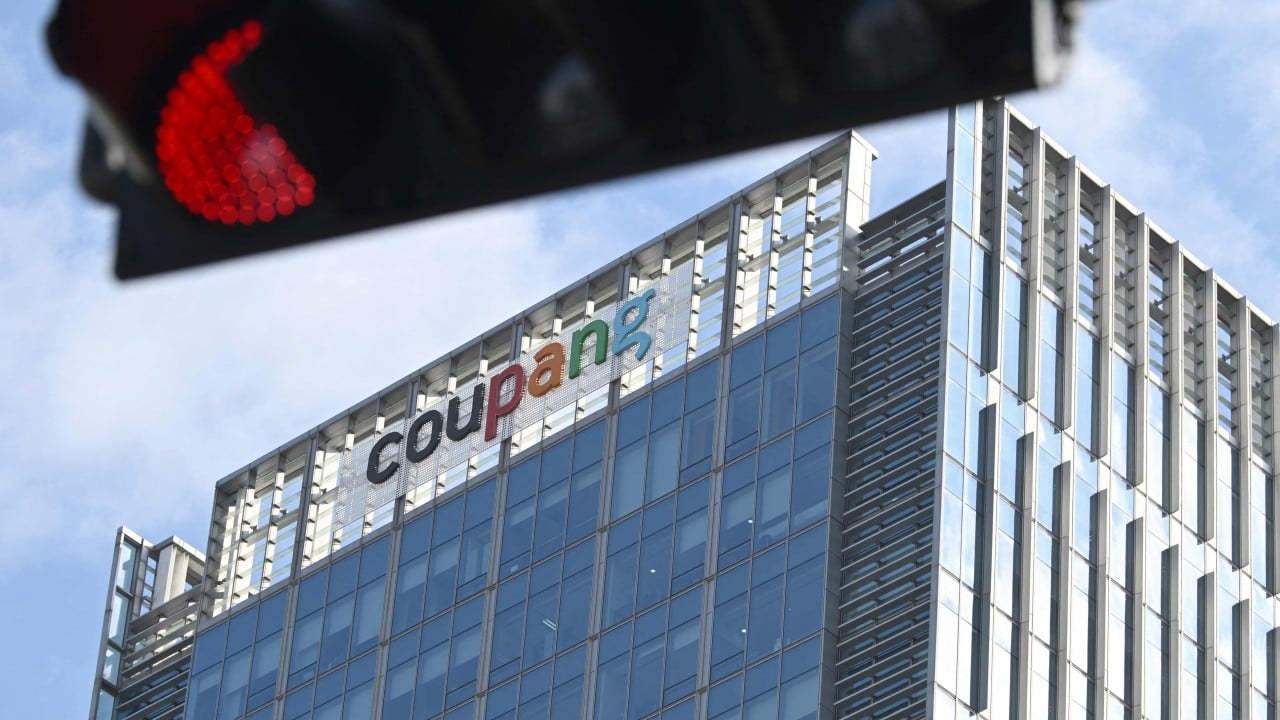
Regulators love a big number. A US$409 million penalty makes headlines, fills government coffers, and creates the illusion of fierce consumer protection. When the Korea Fair Trade Commission (KFTC) slapped e-commerce giant Coupang with this historic fine, the mainstream media swallowed the narrative hook, line, and sinker. They painted a picture of a tech predator manipulating data, rigging algorithms, and harming the public.
They got it completely wrong.
The consensus view of the Coupang fine ignores how modern retail actually functions. It treats search engine optimization and private label promotion as a sinister conspiracy rather than standard business practice. If you strip away the bureaucratic hysteria, you find a dangerous regulatory overreach that penalizes efficiency and treats consumer preference as a crime.
The Myth of the Neutral Marketplace
The core accusation against Coupang is that it manipulated search algorithms to prioritize its own private label products over third-party sellers. Critics call this "self-preferencing." They claim it creates an unfair playing field.
This argument rests on a flawed premise: the idea that an e-commerce platform is a public utility.
It is not. Coupang is a private retailer. Expecting Coupang to remain completely neutral between its own brands and third-party competitors is like walking into a traditional supermarket and demanding they give equal shelf space to a local startup as they do to their own store-brand milk.
Every major retailer on earth manipulates product placement. Walmart puts Great Value items at eye level. Costco packs its aisles with Kirkland Signature goods. Amazon promotes its Basics line. This is not a data breach or a fraudulent distortion of reality; it is merchandising.
The KFTC argues that Coupang used employee reviews to artificially boost its own products. Let us look at how product discovery works in the real world. A platform launches a new line of goods. To build initial trust, it utilizes internal testing and feedback. If the products are garbage, no amount of algorithmic tweaking or staff reviews will keep customers buying them over the long term. Consumer behavior is brutal. If a buyer receives a substandard private label item, they return it and buy a competitor's product next time. Coupang became the dominant force in South Korean retail because its Rocket Delivery and product curation solved massive logistical pain points, not because consumers were brainwashed by a search ranking.
Penalizing the Efficiency That Consumers Demanded
Regulators claim they are protecting the consumer. In reality, they are punishing the exact operational efficiencies that benefit the public.
Private label products exist to drive down prices. By cutting out the middleman and leveraging scale, platforms can offer high-quality essentials at a fraction of the cost of legacy brands. When the government artificially suppresses a retailer's ability to market its own budget-friendly alternatives, the consumer loses.
Consider the mechanics of the South Korean market. It is hyper-dense, technologically sophisticated, and demands extreme speed. Coupang invested billions of dollars establishing an unparalleled logistical network. Third-party merchants on the platform benefit directly from this infrastructure. Yet, the regulatory consensus implies these merchants have an inherent right to equal visibility without bearing the same capital risk.
I have seen corporate boards spend fortunes trying to comply with vague, shifting regulatory definitions of fairness. It is a fool's errand. When you penalize a company for using its own data to optimize sales, you create a chilling effect across the entire tech sector. Innovation halts because compliance departments become more powerful than product teams.
The Real Danger of the KFTC Precedent
This fine sets a terrible precedent for global technology regulation. It signals that success itself is a liability. If a company grows large enough by providing a superior service, the state will step in to artificially hobble its operations under the guise of antitrust enforcement.
Look at the antitrust actions globally over the past decade. Regulatory bodies regularly mistake competitor protection for consumer protection. The job of a competition watchdog is to ensure monopolies do not drive up prices or crush innovation. It is not their job to protect legacy merchants who refuse to adapt to modern platform dynamics.
If the KFTC logic spreads, every digital platform that operates a hybrid model—acting as both a marketplace and a seller—is under threat. Food delivery apps will not be allowed to recommend their partner kitchens. Ride-hailing apps will face fines for routing users to their premium fleets. App stores will be forced to randomize their charts.
The belief that an algorithm can, or should, be perfectly objective is a fantasy. Every search engine has a bias toward what its creator deems valuable. In Coupang's case, that bias favored low prices, fast shipping, and high availability—the exact metrics consumers care about.
Fix Your Own House First
If you are an executive or an investor watching this play out, do not fall for the regulatory panic. Stop trying to redesign your platform to satisfy a bureaucrats idea of perfect equity. You will never win that game because the goalposts move constantly.
Instead of defensive compliance, focus on absolute transparency with the end user. If you promote a private label product, label it clearly. Not because the government tells you to, but because honesty builds long-term equity with your customer base. If consumers know an item is a store brand and they still buy it because it is cheaper and arrives faster, the regulators lose their ammunition.
The Coupang fine is not a victory for the free market. It is an act of economic protectionism designed to shield traditional retail structures from the uncomfortable realities of digital dominance. The US$409 million penalty is a staggering sum, but the long-term cost of allowing bureaucrats to dictate product placement will be far higher for the South Korean economy.
Governments cannot legislate consumer preference. You can fine a company into submission, but you cannot force a customer to buy from a merchant who offers a slower, more expensive service just to satisfy an abstract ideal of market purity. The market always wins in the end, regardless of how many record-breaking fines you hand out.