Two massive events just completely reset global sports and British politics on the exact same weekend.
First, Spain shut down Argentina in the 2026 FIFA World Cup final at New York New Jersey Stadium, capping off a masterclass in tactical control. Hours later in London, Andy Burnham walked into Buckingham Palace to kiss hands with King Charles III and officially become Britain's seventh prime minister in a single decade.
If you're trying to make sense of what happened over the last 48 hours, you aren't alone. Both developments mark major power shifts that will resonate for years. Here's a realistic breakdown of what went down, why the results weren't as surprising as they seem, and what comes next for both international football and the UK government.
How Spain Tactical Dominance Overwhelmed Argentina
The 2026 World Cup final wasn't just a win for La Roja. It was a complete tactical suffocating of the defending champions.
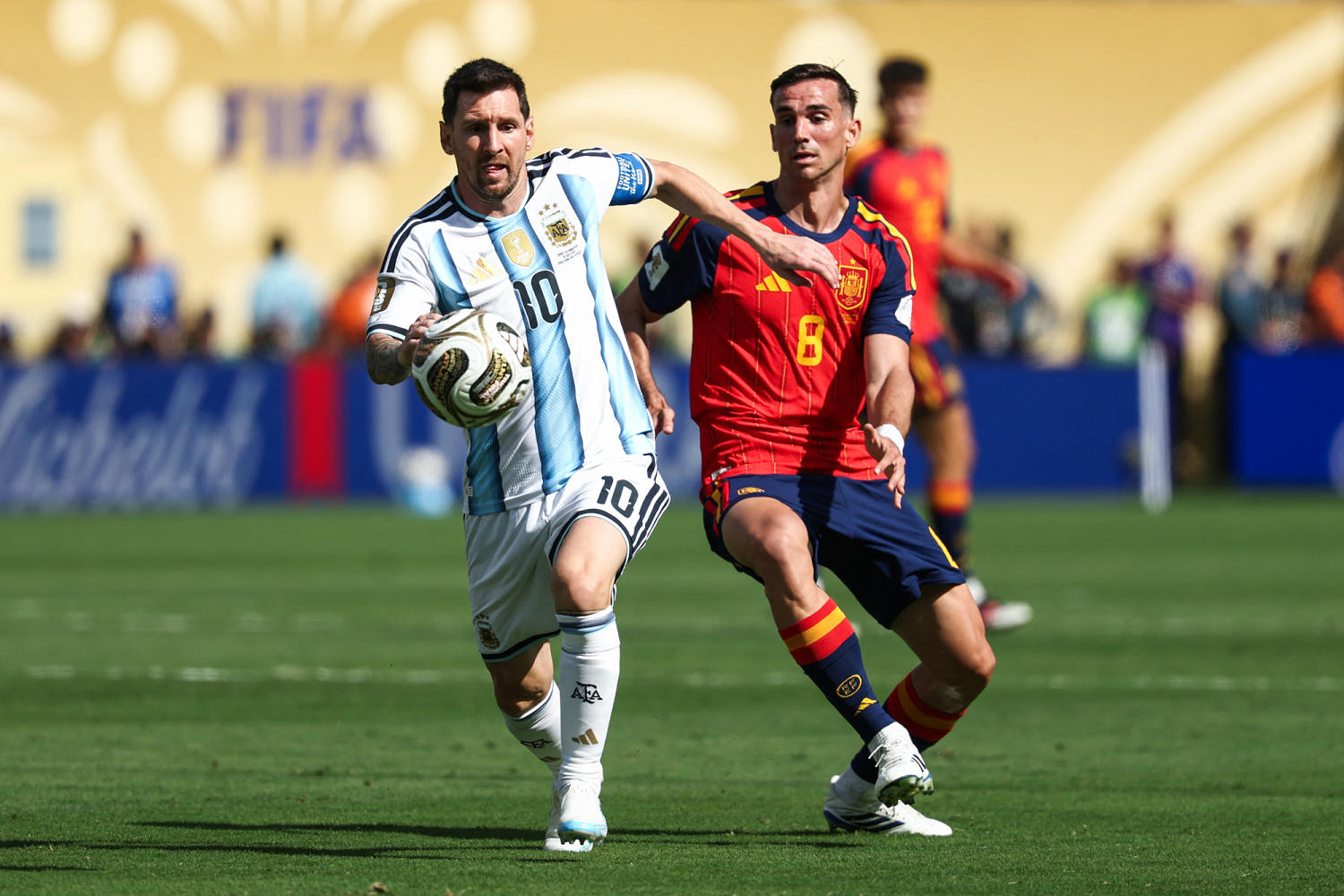
Spain walked away with a 1-0 victory after extra time, courtesy of a 106th-minute volley from substitute Ferran Torres. But the scoreline barely reflects how one-sided the match was. During 90 minutes of regulation time, Spain fired 15 shots toward goal. Argentina had zero. Spain took nine corner kicks. Argentina took one.
For almost two hours, Luis de la Fuente’s squad ran circles around Lionel Scaloni’s side. They didn't just win the trophy. Spain made history by becoming the first country ever to hold both the men's and women's FIFA World Cup trophies at the exact same time.
The Midfield Trap That Broke Scaloni Plan
Everyone expected a chaotic, back-and-forth thriller between two footballing titans. Instead, Rodri turned the pitch into his personal chessboard.
The Manchester City midfielder completed 101 passes with surgical precision. To put that in perspective, Argentina’s top passing midfielder, Leandro Paredes, completed just 36 after coming on at halftime. Rodri dictated the speed of the game from the opening whistle. He squeezed the space around Lionel Messi and forced Argentina to defend deep inside their own box for almost two full hours.
Argentina tried to play dirty down the stretch, but it backfired. Enzo Fernandez picked up two yellow cards, getting sent off in stoppage time after a reckless challenge on Pau Cubarsi. Playing with ten men in extra time left Argentina running on empty.
When Nico Williams whipped a cross into the box in the 106th minute, Ferran Torres was completely unmarked. His left-footed finish under the crossbar sealed the match. Emiliano Martinez made ten saves to keep Argentina alive, but even his heroics couldn't stop the inevitable.
Why Spain Era of Control Is Just Beginning
Spain did not win this tournament on luck or individual genius alone. They won because their youth pipeline is unmatched right now.
Look at the names driving this squad. Lamine Yamal played like a seasoned veteran throughout the tournament at just 19 years old. Pau Cubarsi completed 121 passes in the final alone, showing composure that defender twice his age often lack. Alex Baena gave Argentina fits on the wing before making way for Nico Williams.
Spain’s blueprint relies on relentless possession, instant counter-pressing, and incredible technical skill at every position. Argentina, by contrast, looked like a team reaching the end of a legendary cycle. Lionel Messi gave everything he had, but at 39, he couldn't carry a midfield that was getting overrun at every turn. Spain proved that collective structure beats individual star power almost every time.
Andy Burnham Unprecedented Rise to Prime Minister
While football fans were watching Spain celebrate in New Jersey, British politics was undergoing its own seismic shift.
Andy Burnham officially became the Prime Minister of the United Kingdom on Monday, July 20, 2026. His elevation to Downing Street marks one of the most astonishing political comebacks in modern British history.
Keir Starmer stepped down last month after two years of brutal polling numbers, economic stagnation, and rising public discontent. Burnham, who had spent the last nine years as the Mayor of Greater Manchester, saw his opportunity and took it.
From Regional Mayor to No. 10 Downing Street
Burnham’s journey back to Westminster moved at breakneck speed. It was only four weeks ago that he won the Makerfield by-election in June 2026 to secure a seat back in Parliament. By law, he had to give up his mayoral post immediately.
When Starmer announced his intent to resign four days later, the Labour Party didn't hesitate. Over 90 percent of Labour MPs backed Burnham’s leadership nomination. He ran unopposed and was officially confirmed as party leader on Friday, July 17. By Monday noon, he was at Buckingham Palace.
Why did Labour rally behind him so fast? Because Burnham offers something Westminster politicians haven't had in years: real popularity outside London.
During his nine years in Manchester, Burnham built a brand around regional empowerment, public transport reform, and standing up to Whitehall bureaucrats. He calls his political vision "Manchesterism"—a soft-left, pragmatic approach focused on local control, housing reform, and public ownership of key utilities.
The Immediate Challenges Facing the New Government
Taking over as prime minister mid-term is a brutal job. Burnham becomes the country’s sixth leader in ten years, inheriting an economy that has struggled for growth and a public that is deeply tired of political instability.
Here is what Burnham faces on day one:
- Tight Fiscal Handcuffs: The national debt is soaring, and borrowing costs remain high. Burnham has promised to stick to strict spending limits and honor pledges not to raise income tax or VAT. That leaves him with almost no money to spend.
- The Threat from the Right: Reform UK has been beating Labour in national polling for 18 straight months. Burnham has to win back working-class voters who felt abandoned by the previous administration.
- Public Services Crisis: Major infrastructure like Thames Water is on the brink of financial collapse. Burnham has already signaled he wants to bring failing private utilities back under public control.
- Decentralizing Power: Burnham pledged to move part of the Downing Street operation to Manchester, creating a "No. 10 North" to shift decision-making away from London.
Burnham is expected to name Home Secretary Shabana Mahmood as his Chancellor of the Exchequer. Together, they will have to figure out how to generate economic growth without triggering a panic in the financial markets.
What These Big Moves Mean for You
Events in sports and world politics rarely happen in a vacuum. Both Spain’s World Cup triumph and Burnham’s arrival at No. 10 signal broader cultural and economic shifts.
For Football and Sports Fans
If you follow international football, expect Spain’s style of play to be copied everywhere over the next four-year World Cup cycle. Their success proves that heavy investment in youth academies and technical possession play still beats defensive low-blocks and physical play.
Argentina will now undergo a massive squad overhaul. With Messi nearing retirement and several key veterans fading, Scaloni or his successor will have to rebuild around younger talent to stay competitive for the 2028 Copa America.
For Citizens and Businesses in the UK
If you live or do business in the UK, Burnham’s appointment means significant structural shifts are coming fast:
- Devolution of Power: Expect local councils and regional mayors across England to get far more control over transport budgets, housing projects, and local planning laws.
- Public Sector Ownership: Watch for quick legislative action regarding water companies and regional bus networks. Burnham’s track record in Manchester shows he isn't afraid to bring transport back under public control.
- Tax Reforms: While broad income tax hikes are off the table for now, industry analysts expect targeted reforms in property taxation and wealth assets to fund targeted public investments.
To stay ahead of these political and economic changes, keep a close eye on Burnham’s incoming cabinet picks and his first major fiscal statement expected this autumn. Track local regional mayor announcements, as those offices will likely receive expanded funding authority under the new devolution plans.