Every monsoon season, the headlines write themselves. Hikers from Virginia or London vanish into the Himalayan mud, triggering frantic rescue operations, crowdfunding campaigns, and tearful news segments. The media treats these disasters as tragic strokes of bad luck, random acts of meteorological violence that struck down innocent tourists enjoying a vacation.
That framing is a lie.
It protects a multi-million-dollar adventure tourism industry that refuses to penalize stupidity, and it absolves modern travelers of basic geographical literacy. The disappearance of international hikers in Nepal during peak flood seasons is not an unpredictable tragedy. It is the entirely foreseeable outcome of a broken travel culture that treats high-altitude mountain ranges like theme parks with variable weather.
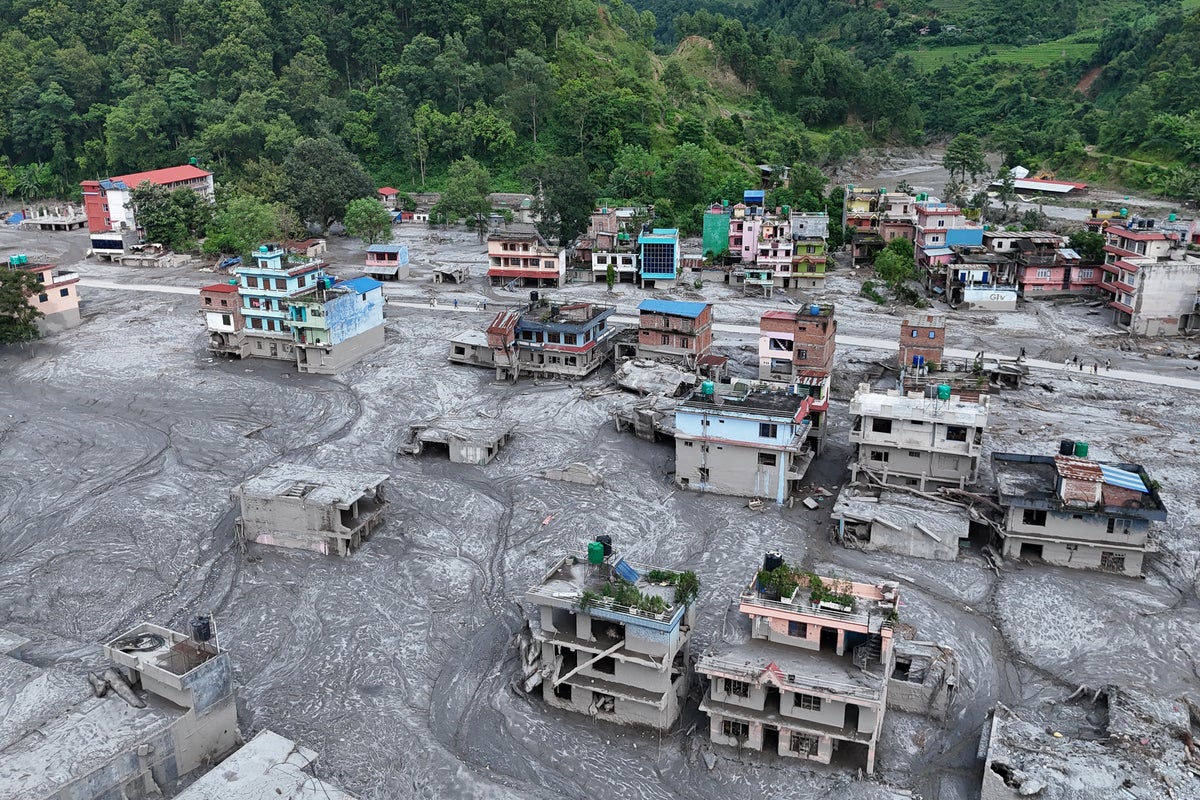
When a group of hikers goes missing in Nepal after floods and landslides, the lazy consensus blames climate anomalies or poor local infrastructure. This ignores reality. Monsoon season in the Himalayas has a fixed calendar. It runs from June through September. During these months, heavy rainfall destabilizes steep, deforested mountain slopes, triggering massive debris flows and flash floods. This is not a secret. It is elementary meteorology.
Yet, tour operators keep selling packages, and travelers keep booking them, blinded by cheap flights, off-season discounts, and influencer-driven fantasies of finding themselves in the mountains.
I have spent two decades managing risk operations in volatile terrain across South Asia and East Africa. I have watched otherwise intelligent executives and gap-year students step onto active landslide zones because a local guide whispered that the trail was "fine." I have seen agencies downplay weather warnings to protect their cancellation fees. The problem is not that Nepal lacks safety infrastructure; the problem is that modern tourists refuse to accept personal agency over their own survival.
The Myth of the Bulletproof Guide
The single greatest misconception in modern adventure travel is that hiring a local guide or agency completely transfers your personal risk to someone else.
Walk into any gear shop in Thamel, and you will find tourists who have never navigated a topographic map in their lives, cheerfully relying entirely on a nineteen-year-old porter-guide to keep them alive. When disaster strikes, the blame shifts instantly outward. People ask why the government did not close the trails or why emergency beacons did not summon helicopters through torrential downpours instantly.
Local guides operate under immense economic pressure. If a guide tells a group of wealthy foreign clients that a trail is too dangerous due to rising river levels, the clients often push back. They have limited vacation days, they spent thousands of dollars on flights, and they want their summit or circuit completed. The guide, fearing a lost tip or a ruined review, relents.
That dynamic kills people.
Real risk management requires the authority to say no. If you hand over your decision-making power to a service provider who depends on your satisfaction for their livelihood, you are no longer an adventurer. You are a passenger on a poorly managed bus ride through an avalanche chute.
Why the Industry Hides the Math
The adventure tourism machine relies on sanitized narratives. Brochure photography shows pristine blue skies, fluttering prayer flags, and smiling locals handing out cups of masala tea. Brochures do not feature bloated rivers tearing suspension bridges from their anchorages. They do not show trekking lodges built illegally on active alluvial fans—the exact flat spots where mountain streams dump debris during flash floods.
Following major incidents, international coverage focuses heavily on the nationality of the victims and the heroism of the rescue teams. What gets buried in the third-to-last paragraph is the simple operational failure: traveling in a high-risk watershed during the wet season.
Insurance companies know the math. That is why standard travel insurance policies frequently exclude high-altitude trekking during monsoon months or require expensive riders. Yet, travelers routinely buy cheap, bare-bones policies online without reading the exclusions, assuming that if a helicopter plucks them off a mountain, some global safety net will absorb the bill.
When that safety net strains under hundreds of simultaneous emergency calls, the outcry begins. Local authorities are accused of being unprepared. But the truth is harsher: you cannot scale emergency services infinitely to rescue people who chose to walk into a known flood zone during a monsoon.
The Economics of Bad Decisions
Let us look at the financial incentives driving reckless mountain travel.
Nepal’s tourism sector contributes a significant share of the national GDP. Entire rural economies depend on the foot traffic generated by international trekkers. During the shoulder and monsoon seasons, lodges lower their prices to attract budget-conscious travelers. This creates a perverse incentive structure.
Instead of deterring travel during dangerous windows, the market subsidizes it. Operators running on razor-thin margins cannot afford to tell tourists to stay home for four months out of the year. So they normalize the danger. They downplay the monsoon warnings. They frame the rain as a passing shower rather than a precursor to slope failure.
Travelers swallow this messaging because it aligns with what they want to believe. They want their bucket-list trip to fit neatly inside their annual leave schedule, regardless of what the monsoon cycle is doing.
How to Stop Dying in the Mountains
If you want to survive trekking in developing regions, throw away the travel agency brochures and learn how to read a landscape.
First, respect seasonal boundaries. If a region experiences heavy seasonal monsoons or typhoons, do not go there during those months. The trails will still be there in October. The mountains are not running away; your life might.
Second, internalize your own risk assessment. A guide is a logistical assistant, not a parental figure or an infallible oracle. If you see rising, silt-laden water churning down a river valley, or if you hear the low, rumbling roar of a debris flow up the slope, turn around. Do not negotiate. Do not ask for a second opinion. Move to higher ground immediately.
Third, stop expecting first-world rescue infrastructure in third-world wilderness. Helicopters cannot fly through severe storm cells. Search and rescue teams cannot outrun flash floods. When you venture into remote terrain, you are accepting that your survival depends entirely on your own restraint, preparation, and willingness to abort the mission when conditions deteriorate.
The hikers from Virginia did not vanish because the mountains betrayed them. The mountains did exactly what they have done every summer for millions of years. They flooded. The failure belonged entirely to the human delusion that human schedules matter more than geological reality.
Stop waiting for the industry to protect you from your own itinerary. Stay home when the rains come, or accept that the mud does not care about your return flight.