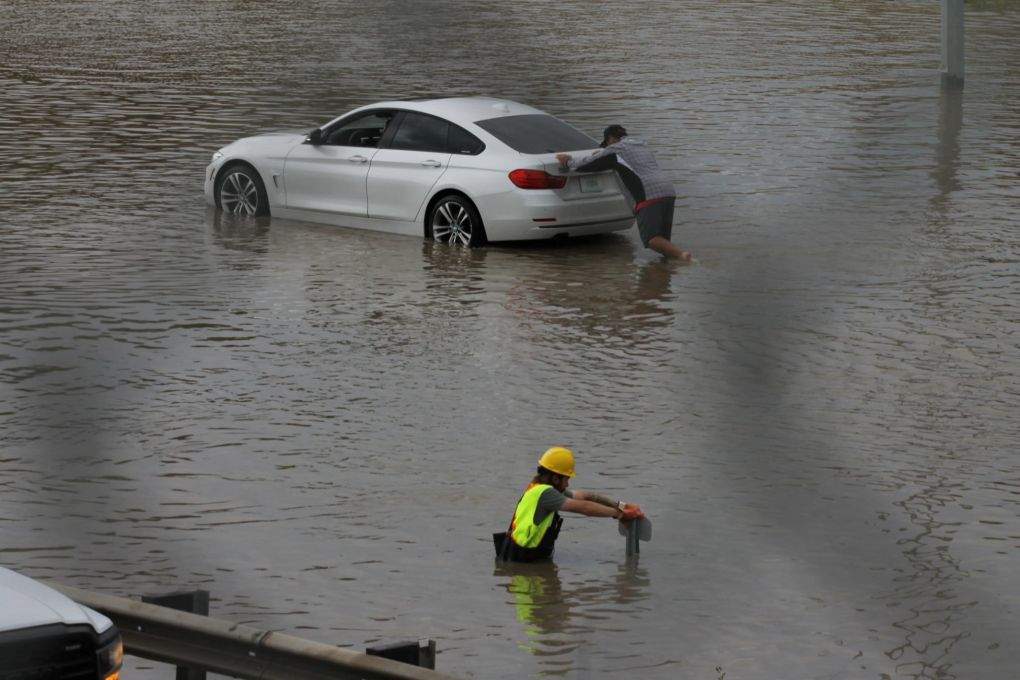
Every single time severe weather hammers Saskatchewan, municipal leaders trot out the exact same tired script. They stand in front of toppled power lines, survey water-logged basements, mutter about unprecedented meteorological events, and double down on the municipal cleanup treadmill. The media dutifully nods along, echoing press releases that frame these disasters as sudden acts of God requiring endless post-storm recovery funds. It is a comforting narrative for bureaucrats because it externalizes failure. If the storm is an anomaly, nobody is to blame.
Except the weather is not an anomaly. The infrastructure strategy is just broken.
For decades, urban centers across the province have treated extreme weather as an episodic interruption rather than a permanent operational baseline. Cities like Regina and Saskatoon spend millions hauling away branches, patching asphalt, and bailing out low-lying districts, treating symptoms while ignoring the structural rot. This routine is not resilience. It is an expensive form of municipal theater designed to keep tax bases compliant while kicking the actual engineering hard questions down the road.
The Fallacy of the Perpetual Reset
The core mistake lies in how municipal engineers calculate risk. Traditional civil design relies on historical weather patterns, assuming that past frequency dictates future probability. That math expired twenty years ago. When an atmospheric system stalls over the prairies, dropping a month of rain in two hours, historical averages become useless fiction.
Yet local governments respond by rebuilding the exact same vulnerable systems. A windstorm shears off wooden utility poles, and work crews replace them with identical wooden poles. Flash floods wash out undersized culverts, and road departments drop in the exact same diameter pipes. This loop satisfies short-term political optics. Crews clear the debris, politicians look sympathetic in hard hats, and citizens feel like order has been restored.
Behind the scenes, the balance sheet bleeds. Every dollar spent on reactive cleanup is a dollar stolen from permanent hardening. Insurance pools groan under the weight of repeat payouts, municipal reserves evaporate into emergency overtime pay, and small businesses absorb the losses because public infrastructure cannot handle basic drainage.
Engineering Reality Versus Municipal Budgeting
Fixing this mess requires abandoning the fantasy that cities can be insulated from nature through brute-force cleanup crews. The solution is decentralized hardening and aggressive zoning reform.
First, the overhead power distribution model must be buried or fundamentally reinforced. Above-ground lines strung across the prairie corridor make zero economic sense in an era of intensifying convective storms. Yes, underground cabling carries high upfront capital costs. But running the same cost-benefit analysis over a twenty-year horizon reveals that repeated emergency repairs, lost economic productivity during outages, and emergency crew overtime vastly outstrip the initial investment.
Second, stormwater management needs to transition from a collection mindset to an absorption model. Pouring more concrete channels just accelerates runoff into overwhelmed rivers and basements. Modern prairie urbanism requires porous parking lots, engineered wetlands within city limits, and mandatory retention basins for commercial developments. Cities must stop treating rainwater as an immediate nuisance to be piped away and start treating it as a volume management challenge.
Admitting this truth carries political risks. It means telling taxpayers that their municipal rates are funding a reactionary band-aid instead of actual progress. It means fighting developers who want to pave over natural drainage basins for quick subdivisions. It means bureaucratic disruption.
The next time a system rolls across the plains and knocks out power for three days, pay attention to the official response. If the priority is how fast the chainsaws clear the boulevards, the city is losing the war. True progress is measured by how little the storm changes tomorrow morning.