Entitled tourists just received a brutal wake-up call from the highest court in Italy.
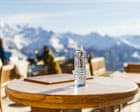
A wealthy vacationer spent a holiday week at a five-star luxury hotel in Corvara, a premium ski resort nestled in the Dolomites. Despite paying for a high-end, half-board package, she threw a multi-year legal tantrum because the hotel restaurant refused to serve her free tap water with dinner. Instead, the staff placed a €7 bottle of premium mineral water on her table each night.
The tourist sued. She claimed that water is a "universal human right" and that restaurants are obligated to provide it for free, comparing tap water to basic amenities like clean bedsheets or bathroom soap. She demanded €2,700 in compensation for "economic damage and emotional distress."
Italy’s Supreme Court of Cassation just completely eviscerated her case. The court confirmed a definitive reality: there is absolutely no law in Italy obliging restaurant managers or hoteliers to serve customers tap water.
Predictably, the internet is throwing a collective fit. Budget travel bloggers and self-righteous consumer advocates are mourning this decision as a victory for corporate greed. They are completely wrong.
The court’s decision is a triumph of economic logic over tourist entitlement. The lazy consensus states that restaurants owe you free water because it falls from the sky. The reality is that when you sit down in a high-end European dining room, you are not paying for the molecular compound of hydrogen and oxygen. You are paying for the infrastructure, the labor, the real estate, and the cultural ecosystem that delivers it to your table.
The Illusion of Free Infrastructure
I have watched amateur travelers blow thousands on luxury European trips only to pick a fight with a waiter over a €5 bottle of acqua naturale. They genuinely believe they are fighting a noble battle for human rights.
Let's dismantle this flawed premise immediately. A restaurant is not a public utility corporation. It is a private business operating on razor-thin margins.
When a waiter brings a glass of tap water to your table, a complex chain of operational costs is triggered:
- Labor: A paid employee must take the order, fetch the glass, and bring it to your table.
- Sanitation: The glass must be washed, sanitized, and polished using commercial dishwashers that consume electricity, specialized detergents, and water.
- Premium Real Estate: You are occupying a physical seat in a dining room that requires heating, lighting, and rent payment.
Imagine a scenario where every table in a busy dining room demands nothing but free tap water for three hours. The restaurant still has to pay the staff, light the room, wash the glasses, and pay the landlord. Yet, the table generates zero beverage revenue. In the restaurant business, beverage sales subsidize the immense labor costs of the kitchen. When you demand free water, you are asking the business owner to subsidize your presence.
Why European Dining Style Rejects the American Model
American tourists are particularly guilty of this cultural ignorance. In the United States, a glass of ice water hits the table before the menus do. Americans assume this is a universal law of hospitality. It is not.
In North America, the cost of that water is silently baked into heavily inflated food prices, aggressive table-turning tactics, and an aggressive tipping culture where customers directly pay the server's wages.
European dining culture is entirely different.
| Feature | American Dining Model | European Dining Model |
|---|---|---|
| Water Service | Complimentary tap water by default | Premium bottled water ordered by choice |
| Pacing | Fast turnover to maximize table volume | Leisurely pacing; the table is yours for the night |
| Revenue Stream | High food markups and aggressive tipping | Beverage margins subsidize long seating times |
| Cultural Norm | Water is a hydration tool | Water is a curated palate cleanser for the meal |
In Italy, dining is an art form, not a pit stop. When you book a table at a premium establishment in the Dolomites, that table is frequently yours for the entire evening. The restaurant cannot turn that table three times in one night to turn a profit. Therefore, ordering premium bottled water (naturale or frizzante) is the explicit cultural compromise that keeps European independent restaurants alive.
The Flawed Human Rights Argument
The plaintiff in the Dolomites case tried to weaponize the concept of universal human rights to avoid paying a dinner bill fee. This is a gross distortion of global humanitarian principles.
Access to clean drinking water is a fundamental human right. However, that right ensures you will not die of dehydration in a crisis. It means municipal governments must provide clean public fountains, which Italy does exceptionally well through thousands of free nasoni and public mountain springs.
That right does not guarantee you a pristine, chilled glass of water served by a professional waiter in a five-star dining room while you enjoy a gourmet vacation meal. Confusing a humanitarian necessity with luxury restaurant service is the peak of modern consumer entitlement.
Stop Fighting the System: The Unconventional Alternative
If you truly cannot bear the thought of paying for bottled water at dinner, stop fighting the service staff. It makes you look cheap, ruins the ambiance, and guarantees poor service. Do this instead.
Hydrate Like a Local Before You Sit Down
Italy is famous for its hyper-pure public water infrastructure. The water flowing through the taps and public fountains in the Dolomites is sourced directly from pristine mountain springs and deep aquifers. It is exceptionally safe and highly regulated under strict European Union directives.
Fill your reusable stainless steel flask at your hotel room tap or a public fountain before heading out. Drink your fill before you step foot inside the restaurant. When you sit down, you can comfortably skip the water order entirely without causing an awkward standoff with the staff.
Accept the True Cost of the Experience
If you are ordering a meal at a premium resort, view the €7 bottle of mineral water as a standard table fee. It is a cover charge for the privilege of sitting in a beautifully designed space, enjoying world-class mountain views, and receiving professional service. If an extra €7 ruins your vacation budget, you cannot afford the vacation in the first place.
The Italian courts have drawn a line in the sand. Restaurants are spaces of commerce and culinary culture, not public welfare offices. Respect the local business owners, pay for your bottled water, or do your drinking at the public fountain outside.