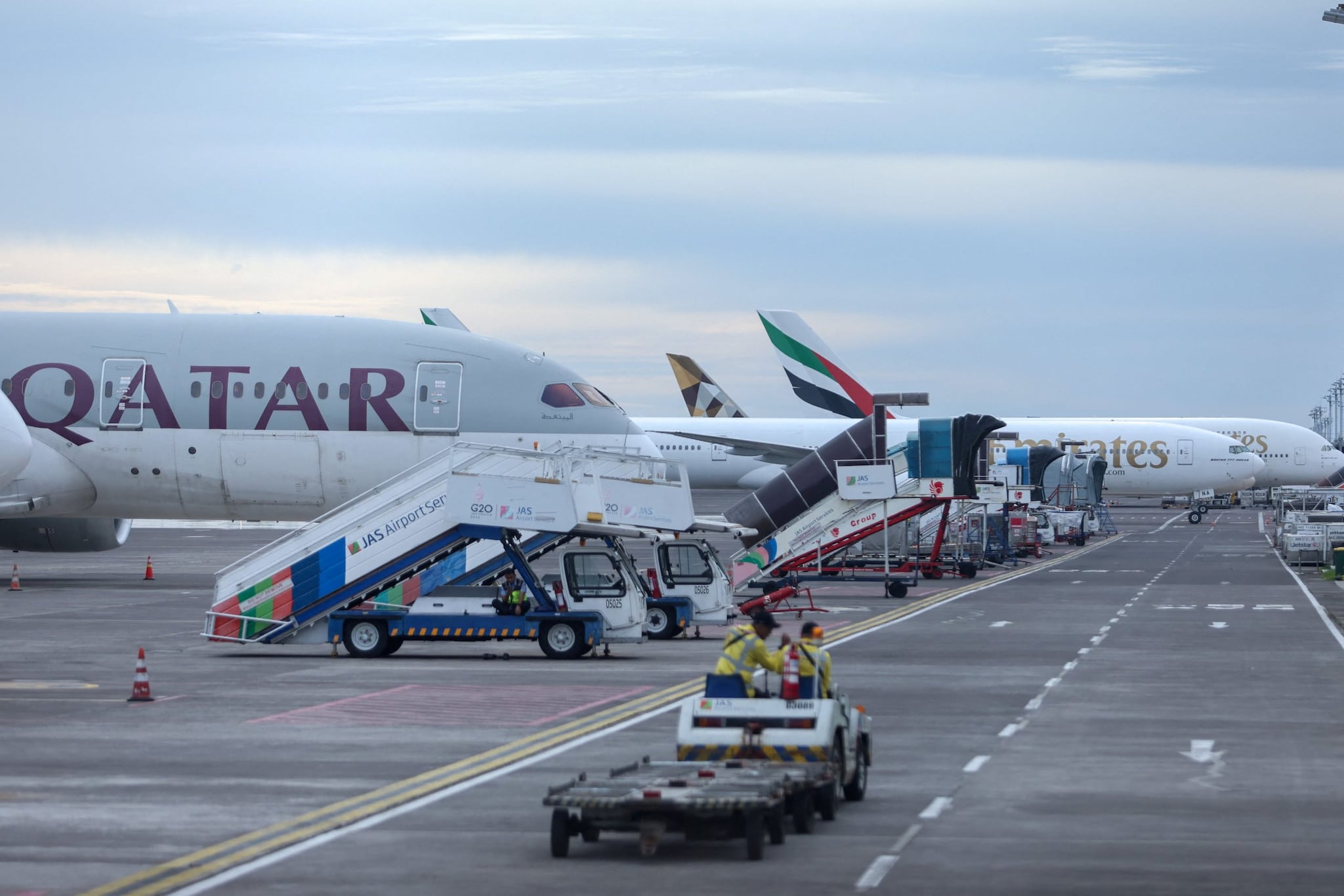
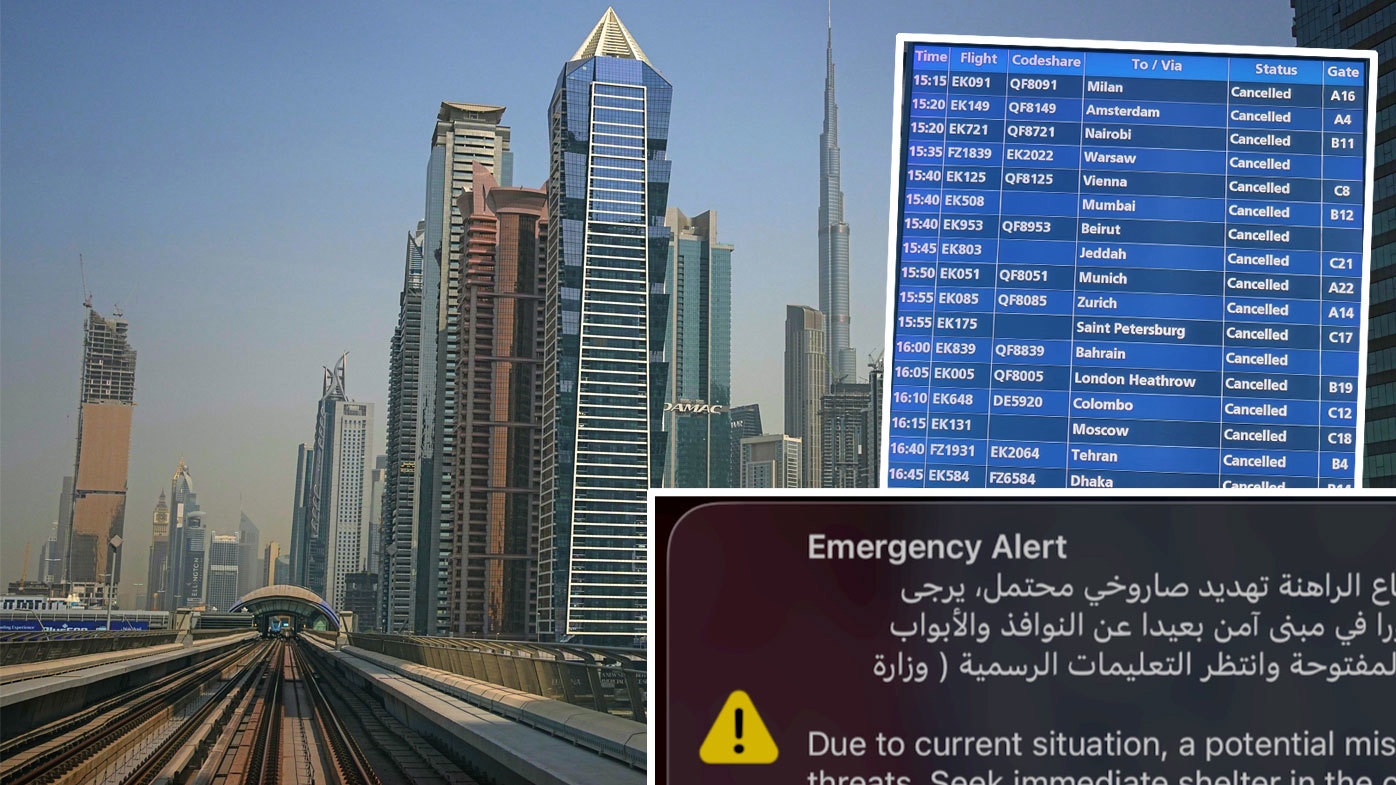
The entitlement of the modern traveler is a special kind of delusion. Right now, social media is bleeding with "furious" British expats and tourists in Dubai, lamenting that the Foreign Office hasn't sent a private fleet of planes to whisk them away from the consequences of their own geography.
They look at the smoke on the horizon and reach for their phones to complain that the taxpayer isn't subsidizing their exit strategy.
It is time to kill the myth of the "Government Rescue."
The lazy consensus in the media is that a passport is a get-out-of-jail-free card for geopolitical instability. It isn't. A passport is a travel document, not a comprehensive insurance policy for your poor risk assessment. If you choose to reside in, or vacation within, the strike radius of a volatile regional conflict, the burden of extraction belongs to you, your employer, and your private insurer. Not the public purse.
The Dubai Paradox: High Stakes and Low Accountability
Dubai is a marvel of engineering and capital, but it exists in a neighborhood where the rent is paid in high-alert status. You cannot enjoy the 0% income tax, the gold-plated brunch culture, and the year-round sun, then turn around and demand the "nanny state" back home saves you the moment the regional tensions you ignored finally boil over.
I have spent fifteen years navigating logistics in high-risk zones. I have seen corporations burn millions of dollars on private security details because they understand a fundamental truth that the average "trapped" tourist refuses to grasp: The state is the provider of last resort, and "last" means exactly that.
When the missiles fly, the government’s priority is infrastructure, diplomacy, and military readiness. It is not playing travel agent for thousands of people who ignored "Advise Against All Travel" warnings or failed to monitor the news for the last six months.
Why Your "Trapped" Narrative Is Mathematically Flawed
Let’s dismantle the "abandoned" rhetoric with some cold, hard logistics.
- Airspace is a Binary Reality: If the airspace is closed due to missile threats, a government-chartered Boeing 777 is just as susceptible to being blown out of the sky as an Emirates flight. Demanding "evacuation flights" while the sky is literally falling is a request for a suicide mission.
- The Capacity Gap: There are roughly 250,000 British nationals in the UAE. To evacuate even 10% of them would require a logistical feat that dwarfs most military deployments.
- The Precedent Problem: If the government rescues you from a luxury hub because of a predictable regional escalation, they are effectively subsidizing risky behavior. Why buy travel insurance with crisis coverage if you can just tweet at the Foreign Secretary until a C-17 lands?
The Fallacy of "Doing Nothing"
The headlines scream that the government has "done nothing." This is a lie born of ignorance about how international diplomacy works.
While the "furious" are sitting in five-star hotel lobbies, diplomats are working the phones to keep corridors open, ensure food supplies aren't choked, and coordinate with local authorities to keep the lights on. That is the work of a state. Providing a free ticket home because you didn't check the "Terms and Conditions" of living in the Middle East is not.
The Real Cost of a British Passport
People treat the UK government like a global concierge service. They forget that the FCDO (Foreign, Commonwealth & Development Office) explicitly states that its ability to help is limited by local laws and the security environment.
$Cost_{Rescue} > Value_{Responsibility}$
The math never adds up for the taxpayer. Why should a nurse in Sheffield or a plumber in Cardiff pay for the emergency extraction of a digital nomad who chose to move to Dubai for the tax breaks? You opted out of the system; stop trying to opt back in the second the bill comes due.
How to Actually Survive a Crisis Without Tweeting
If you are genuinely concerned about your safety, stop waiting for a miracle. Start acting like an adult with an ounce of situational awareness.
- Audit Your Insurance: Most standard policies have "Act of War" exclusions. If yours does, you aren't "trapped," you are underinsured. Fix it before the sirens start.
- The 72-Hour Rule: If you don't have enough cash, water, and a secondary exit route (land or sea) to last 72 hours without outside intervention, you haven't moved abroad; you've just gone on a very long, very dangerous field trip.
- Commercial Is King: Historically, commercial flights continue long after the "panic" phase begins, albeit at higher prices. The people complaining about being "trapped" are often just people who refuse to pay the $2,000 surge price for a commercial seat out of Muscat or Doha. They want the government to provide it for free.
The Brutal Reality of Sovereign Risk
We have entered an era of "Sovereign Risk Blindness." We believe that because we can book a flight on an app, the world is a sanitized playground. It isn't. Dubai is a miracle of the desert, but it sits on a geopolitical fault line.
If you live there, you are an investor in that risk. You are long on the Middle East. When that investment turns south, you don't get to ask for a taxpayer-funded bailout. You take the loss, you find the exit, or you hunker down.
The "Furious Brit" trope is tired. It's the byproduct of a generation that has forgotten that international travel is a privilege involving inherent dangers. The government hasn't "failed" you. You failed to prepare for the reality of the region you chose to call home.
Stop looking at the sky for a RAF transport plane that isn't coming. Look at your bank account, look at the map, and figure it out yourself. That is what being a global citizen actually means.
Pack your bags, pay the commercial fare, and stop expecting the world to pause because you didn't read the room.