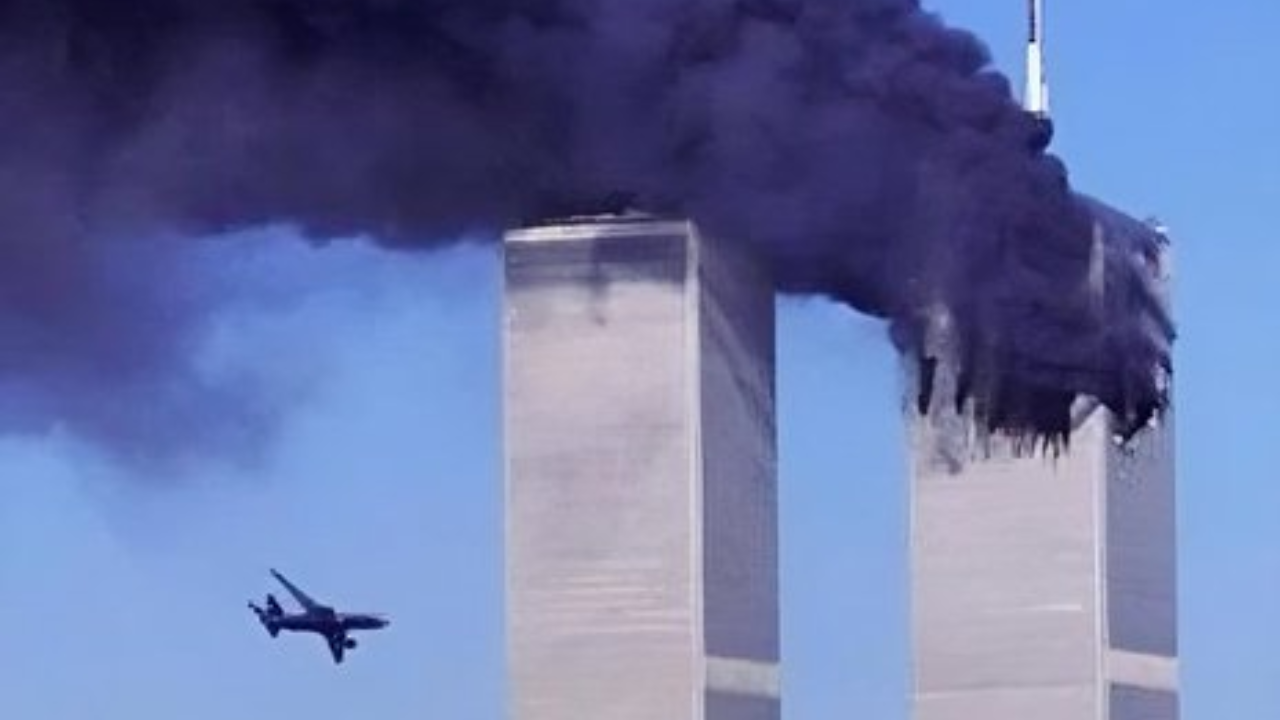
Every time disaster strikes, the media scrambles for a fairy tale. We eat up the heartwarming narratives because reality is too bleak to digest. A blind man navigates seventy-eight flights of stairs out of a collapsing skyscraper, shepherded by a miraculous guide dog named Roselle. It is a cinematic, tear-jerking saga that hits every emotional button. But it is also a dangerous distraction.
When we turn systemic infrastructure failures into feel-good pet stories, we let architects, building code regulators, and corporate facility managers off the hook. We treat an exceptional survival story as proof that our evacuation systems work, when it actually proves the exact opposite. If a man needs a golden retriever to locate an exit route down seventy-eight flights of smoke-filled stairs while a tower falls apart around him, the system has already failed at a foundational level.
Let us dismantle the lazy consensus.
The Myth of the Autonomous Hero
The prevailing cultural narrative posits that disasters are conquered by individual grit, extraordinary animals, and pure luck. This is comforting because it requires nothing of us. If survival is a matter of having a smart dog or a stout heart, society does not need to spend money on redesigning stairwells, overhauling egress capacity, or enforcing universal accessibility in high-rise emergencies.
I have spent two decades auditing structural safety protocols for high-density commercial real estate. I have seen developers blow millions on cosmetic lobbies while cutting corners on emergency lighting and stairwell width to maximize leasable square footage. When an emergency happens, they rely on the sheer resilience of the occupants to compensate for shoddy engineering.
Roselle the guide dog did not perform a miracle; she performed crisis mitigation in an environment entirely unequipped for disabled evacuees. Relying on an animal to guide a person down dozens of emergency stairs is not a triumph of design. It is a indictment of vertical evacuation planning.
Why Stairs Are a Single Point of Failure
Standard high-rise architecture relies on a brutally antiquated premise: everyone has two legs, infinite stamina, and no sensory impairments. When you remove that fantasy, the entire skyscraper model collapses under basic scrutiny.
Stairwells in most major commercial towers are narrow, bottlenecked, poorly ventilated, and completely inaccessible to wheelchair users or anyone with mobility or sensory challenges. During an evacuation, these concrete shafts become human gridlocks.
Imagine a scenario where a high-rise office building loses power. Elevators lock down instantly. Thousands of people funnel into two or three concrete stairwells designed in the mid-twentieth century. Now, introduce a visually impaired person, a worker with a prosthetic leg, or someone having a panic attack. The flow rate drops to zero.
The media focuses on the courage of the individual navigating this nightmare. They ignore the fact that vertical mass transit during emergencies remains stuck in the Stone Age. We have autonomous vehicles and smart buildings, yet our emergency exit strategy for disabled populations relies on asking a dog to find the door.
The Cost of Comforting Fictions
Why do we cling to these narratives? Because acknowledging the alternative requires an expensive overhaul of urban zoning laws and building codes.
If we admit that guide dogs are a band-aid on a gushing wound of structural ableism, we have to redesign buildings from the ground up. That means pressurized, smoke-free evacuation elevators with independent power backups. It means wide, reinforced egress paths equipped with tactile wayfinding systems and auditory beacons. It means treating accessibility not as a regulatory checkbox to satisfy local inspectors, but as the core metric of structural safety.
Instead, we praise the dog. We frame the survival of a disabled individual as a testament to animal loyalty rather than a condemnation of human planning.
What We Should Be Asking Instead
People often ask how disabled individuals can better prepare for emergencies in high-rise buildings. This is the wrong question entirely. It shifts the burden of survival onto the most vulnerable person in the room.
The real question is why our multi-billion-dollar commercial real estate industry continues to build vertical death traps that require exceptional physical capability or animal assistance just to reach the street.
Stop looking for the furry hero in the rubble. Fix the stairs. Fix the elevators. Demand infrastructure that does not require a miracle to survive.


