Edmontonians love to play the martyr.
Every April, when the sky dumps ten centimeters of heavy, grey cement onto our roads, the local media cycle retreats into a predictable, defensive crouch. They tell you the moisture is "good for the grass." They claim it "helps the farmers." They suggest we should embrace the "extra season" of winter sports.
This is a lie. It is a coping mechanism masquerading as optimism.
The reality is that a late spring snowfall is an unmitigated disaster for urban infrastructure, municipal budgets, and the mental health of a population that has already endured six months of sub-zero temperatures. Treating this as a "benefit" is not just wrong; it is a fundamental misunderstanding of how a northern city actually functions.
The Moisture Myth is Drowning Your Foundation
The most common defense for a spring dump is the moisture argument. We are told the soil needs it. While technically true for a desiccated field in rural Alberta, it is a nightmare for an urban center.
Unlike the slow, steady melt of February, an April snowfall usually hits when the ground is partially thawed but the drainage systems are still choked with ice and winter grit. This creates a hydrostatic pressure trap. When that "beneficial" snow melts in a 48-hour window of plus-ten temperatures, it does not soak into the lawn. It seeks the path of least resistance: your basement.
I have seen homeowners lose $40,000 in property value in a single weekend because they believed the "spring snow is good" narrative and failed to clear their window wells or check their sump pumps. In a city where the water table is already erratic, a late-season heavy snow is a recurring insurance claim, not a blessing from nature.
The Agriculture Fallacy
Let’s talk about the farmers. The "billion-dollar moisture" headline is a staple of Alberta news. However, agronomists know that timing is everything. A heavy dump of wet snow in late April or early May often delays seeding. For every week a farmer cannot get into the field because of "beneficial" slush, the risk of a killing frost in September increases.
We aren't gaining a resource; we are trading a productive spring for a truncated growing season. It is a net loss for the provincial GDP, yet we celebrate it like a winning lottery ticket.
Infrastructure Rot and the Pothole Industrial Complex
If you want to see where your tax dollars go to die, look at the pavement during a spring snowstorm.
Edmonton’s roads are already a patchwork of asphalt scars. The freeze-thaw cycle is the primary architect of this destruction. When we get a late-season storm followed by a rapid melt, the water seeps into existing micro-fissures in the road surface. At night, that water freezes and expands. By morning, a hairline crack has become a tire-shredding crater.
The city spends tens of millions annually on pothole repair. A single April storm can undo an entire month of maintenance work. When we "embrace" the snow, we are essentially cheering for the degradation of our own transit corridors.
Furthermore, the salt and sand application required for these late storms accelerates the corrosion of our bridge decks and underground utilities. We are literally dissolving the city to manage a "charming" spring flurry.
The Cognitive Dissonance of "Spring" Activities
The competitor article will inevitably suggest you "hit the hills one last time."
This is peak desperation. By mid-April, the snow quality is garbage. It is "mashed potato" snow—heavy, dangerous, and prone to causing ACL tears. The sun is at an angle that creates a blinding glare, and the trails are a mix of ice patches and mud.
There is no joy in skiing on a base that is 40% dog waste and gravel. Pretending otherwise is a form of collective Stockholm Syndrome.
The Productivity Tax
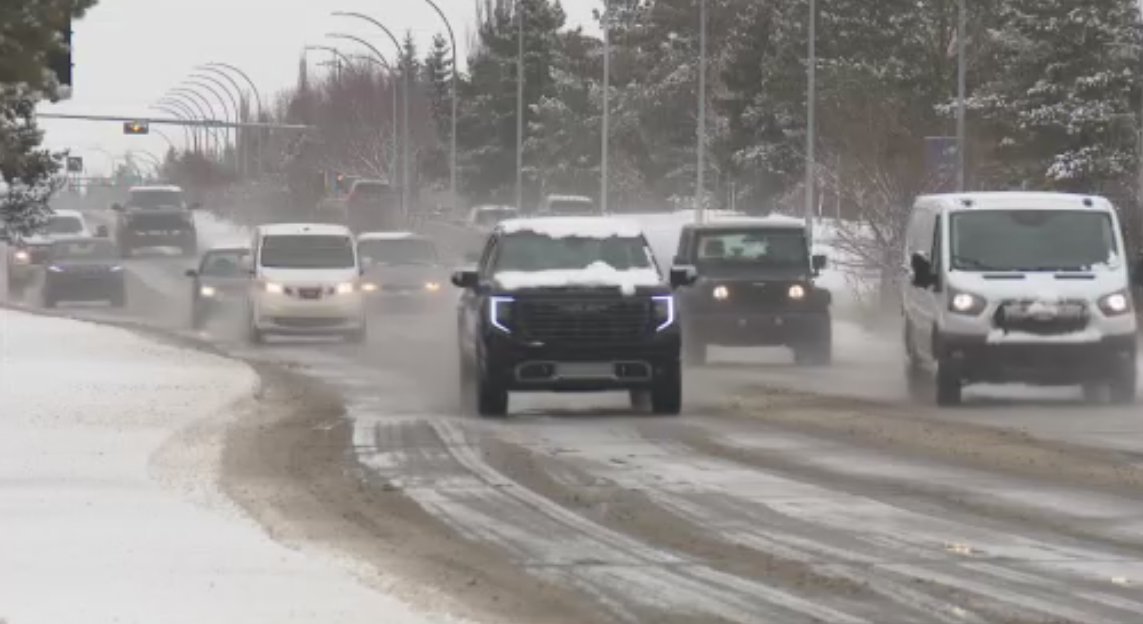
We ignore the economic drag. Every time Edmonton gets a surprise 15-centimeter dump in April, the city slows to a crawl. Commute times triple. Delivery logistics fail. People cancel appointments.
In a digital, globalized economy, "snow days" are a relic of the past that we can no longer afford. The friction cost of a single major spring storm in a city of over a million people is staggering. We lose thousands of man-hours to the simple, grueling task of digging out—labor that produces zero economic value.
Why the Optimism is Dangerous
The danger of the "look on the bright side" narrative is that it breeds complacency in municipal planning.
If we accept that spring snow is a "natural quirk" with "benefits," we stop demanding better snow removal policies. We stop asking why our drainage infrastructure isn't designed for rapid-melt events. We stop pushing for better road materials that can withstand the freeze-thaw cycle.
We have normalized a seasonal failure.
Instead of writing fluff pieces about how pretty the trees look covered in white, we should be having a serious conversation about the "Winter City" strategy. Being a winter city doesn't mean pretending it's fun when your car is stuck in a windrow in May. it means building a city that doesn't break every time the temperature fluctuates.
Stop Coping and Start Demanding
The next time you look out your window and see a wall of white in April, don't tell yourself it’s good for the garden.
Acknowledge it for what it is: a disruption to the economy, a threat to your property, and a physical tax on your time. The "benefits" are a myth designed to keep you from complaining about the fact that we live in a geography that is actively trying to bankrupt us.
Put down the cocoa. Pick up the shovel. And stop lying to yourself about how much you love the "extra winter." It is a failure of the season, and it's time we treated it with the frustration it deserves.
The grass will be fine without the slush. Your bank account and your sanity won't.