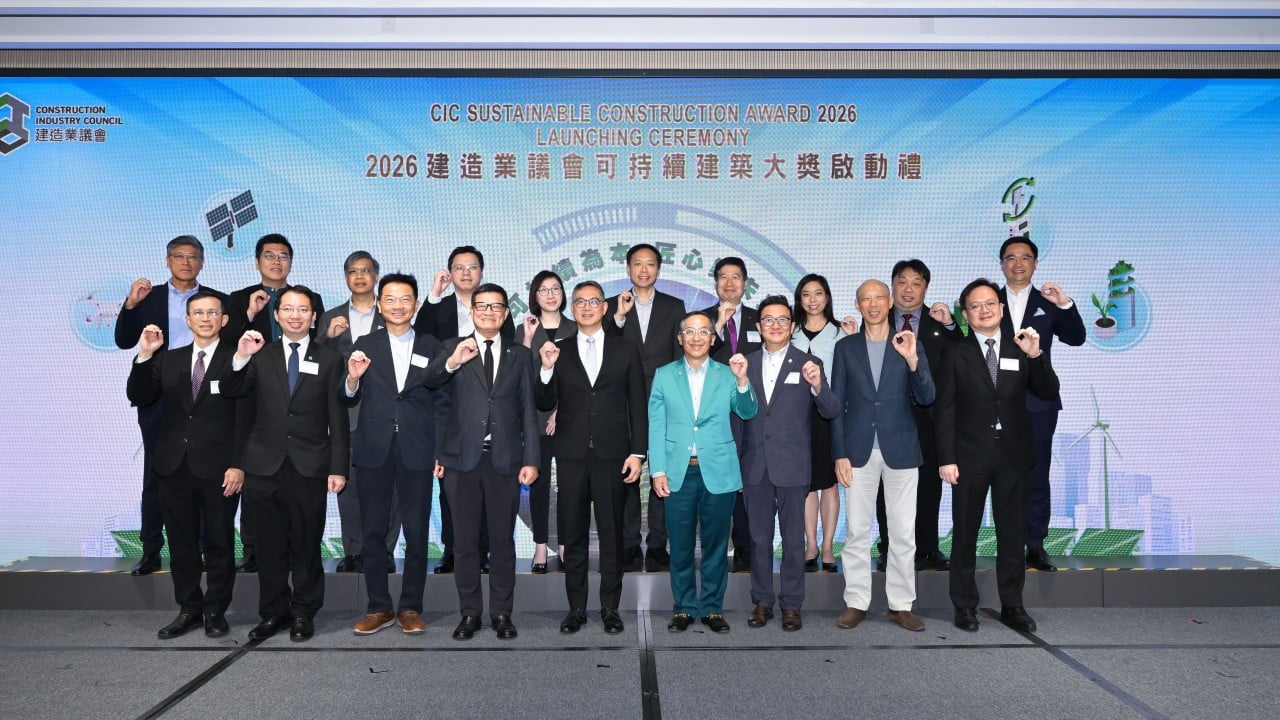
The construction sector loves a ceremony. We gather in tuxedos, hand out shiny trophies for "Low Carbon Citations," and applaud ourselves for cutting emissions on paper. The Construction Industry Council (CIC) recently revamped its Sustainable Construction Award, declaring that mandatory joint team submissions and digital tracking tools will accelerate decarbonisation.
It is an expensive illusion.
I have spent twenty years in the dirt of active build sites, balancing spreadsheets and arguing with structural engineers. I have watched developers blow hundreds of thousands of dollars chasing green credentials just to slap a badge on a marketing brochure. The hard truth nobody wants to admit at the gala dinner is that rewriting the rules of an award does absolutely nothing to lower global emissions. It just creates a highly sophisticated cottage industry of carbon accounting compliance.
The Compliance Trap
The revised award rules place a massive emphasis on joint submissions. The theory sounds beautiful in a boardroom: force the client, consultants, main contractor, and specialists to align on data monitoring protocols from day one.
In reality, this is a recipe for bureaucratic gridlock.
When you mandate that everyone must share a single data-monitoring umbilical cord, you do not inspire sudden, magical team harmony. You just create an arena for litigation management. I have seen massive infrastructure projects grind to a halt because the contractor and the consultant could not agree on the exact carbon coefficient of a specific precast concrete mix. They were too busy covering their legal liabilities to actually build the asset efficiently.
Worse, this reliance on proprietary tracking software—like digital material passports and specialized waste tools—incentivizes the wrong behaviour. It turns project delivery teams into administrative clerks.
Imagine a scenario where a site manager has to choose between procuring a local, slightly uncertified batch of aggregates that saves three weeks in transport time, or waiting for a certified green product shipped from across the country to secure points for an award. Under the current incentive structure, they choose the certified product. They optimize for the metric, not the actual physics of the build.
The Fiction of Embodied Carbon Math
The biggest flaw in the "sustainable award" ecosystem is the absolute malleability of carbon accounting data. The industry relies heavily on calculations of embodied carbon—the emissions associated with manufacturing materials like steel and cement.
But these numbers are soft. They are based on a labyrinth of assumptions, regional averages, and self-reported data from manufacturers who are desperate to secure green product certifications.
If you hire three different sustainability consultants to calculate the lifecycle carbon footprint of the exact same commercial building using the exact same blueprints, you will get three wildly different numbers. One will use a generous sequestration model for timber; another will use a conservative grid-emission factor for the manufacturing plant.
The team that wins the award isn't necessarily the one that built the most efficient structure. They are simply the team that hired the smartest data magicians to massage the spreadsheet. We are rewarding compliance theatre, not engineering breakthroughs.
The Real Cost of Electrification Fantasy
The current decarbonisation agenda pushes heavily for site electrification and hydrogen pilots. The revised awards explicitly look for these initiatives. This sounds forward-thinking until you face the reality of modern energy grids.
Our energy infrastructure is facing severe capacity constraints. Industrial manufacturing outputs for basic metals and castings have dropped significantly over the last few years due to volatile, expensive energy systems. Forcing a massive construction site to rely entirely on an unready electrical grid or unscalable hydrogen loops does not lower emissions; it just displaces them or inflates project costs beyond economic viability.
If a contractor brings heavy electric excavators to a remote site without grid infrastructure, they end up charging those machines with massive diesel generators hidden behind the perimeter fence. It is a farce. We are forcing the supply chain to adopt technologies that look pristine in a submission booklet but are fundamentally dysfunctional on the ground.
Switch to Absolute Asset Optimization
Stop trying to fix the awards criteria. Stop adding new citations, new sustainability labels, and more mandatory paperwork. If we want to genuinely decarbonise the built environment, we must completely pivot our approach.
We need to stop rewarding people for making new buildings slightly less terrible. Instead, the ultimate sustainable construction choice is almost always to not build at all.
- Prioritize Adaptive Reuse Over New Builds: The single most effective way to cut carbon is to retroactively optimize existing structures. Our current award frameworks give massive point scores to brand-new, high-tech glass towers with solar panels, while ignoring the massive carbon debt incurred by destroying the previous structure and pouring fresh concrete foundation.
- Decouple Procurement from Certification: Give procurement teams the autonomy to source materials based on immediate, local availability rather than rigid national certification registries. A local supplier using standard processes often has a lower net carbon impact than a certified "green" supplier located 800 miles away.
- Enforce Simple, Standardized Metrics: Ditch the convoluted lifecycle analysis tools that require a PhD to interpret. Measure three things: total volume of concrete poured, total tonnage of steel used, and total operational energy consumption per square meter after twelve months of occupancy. No projections. No assumptions. Just raw, verifiable consumption data.
The downside to this pragmatic approach is obvious: it is boring. It does not look impressive on a LinkedIn post. It does not provide a photogenic backdrop for corporate social responsibility teams.
But it works.
If the construction industry wants to move past greenwashing, it needs to stop looking for validation from institutional councils and committees. Drop the award submissions, cancel the consultant contracts, and put that capital directly into buying better materials and upgrading existing real estate.
Stop playing the compliance game. Build things that last, use less raw material, and let the spreadsheets burn.