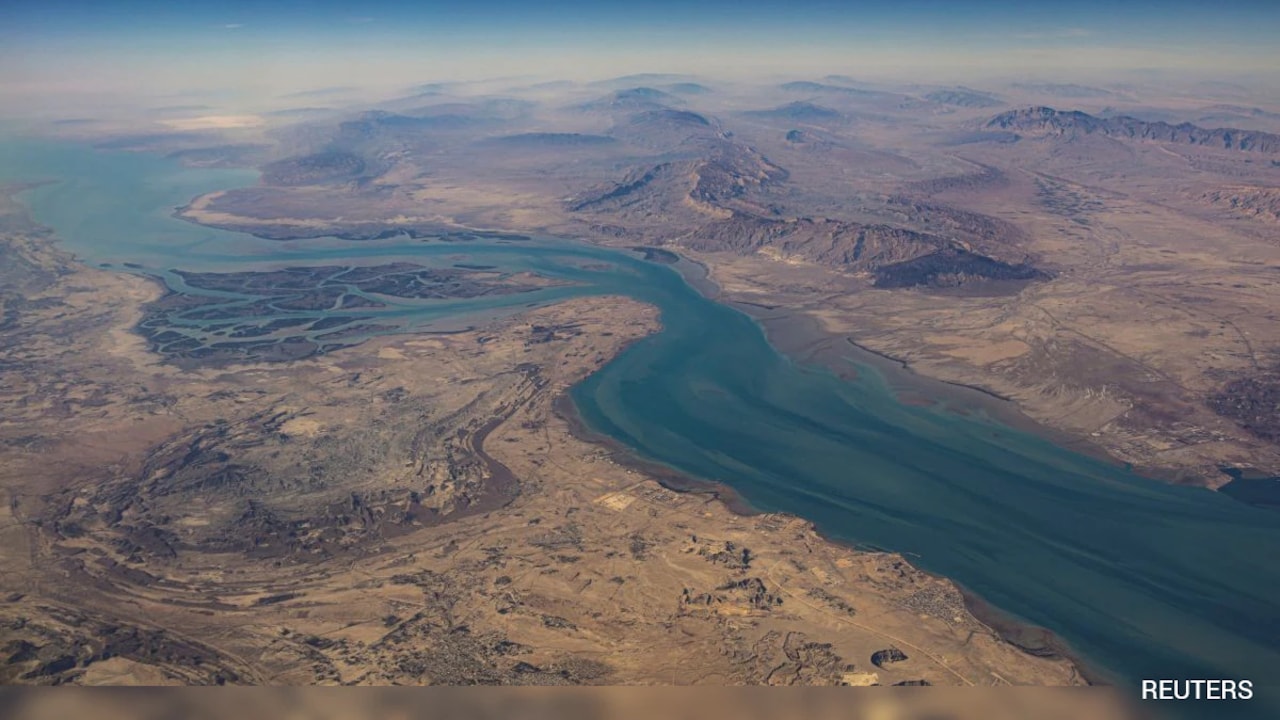
The narrow shipping lane separating the Persian Gulf from the Gulf of Oman is bleeding money and crude. When Iran's Islamic Revolutionary Guard Corps announced that two oil tankers caught fire after striking naval mines inside the Strait of Hormuz, global energy markets didn't even flinch out of surprise—they braced for the worst.
You see, this isn't an isolated incident. It is the continuation of a high-stakes maritime standoff that has crippled roughly a quarter of the world's seaborne oil trade. Every time Tehran claims another vessel has violated restricted waters or ignored navigation warnings, insurance syndicates in London spike their rates. Shippers are left holding the bag.
Let's look at what is actually happening on the ground and why the official statements from state media rarely tell the whole story.
The Anatomy of a Maritime Chokepoint
The Strait of Hormuz is barely twenty-one miles wide at its narrowest point. That geographic bottleneck forces massive supertankers carrying millions of barrels of crude into tightly packed transit corridors.
When military friction spikes between Washington and Tehran, this geography turns lethal. The IRGC has aggressively pushed a narrative that commercial vessels utilizing southern routes or cooperating with Western forces are fair game. State-aligned outlets routinely broadcast claims of sea mine explosions, while independent maritime monitors like the United Kingdom Maritime Trade Operations (UKMTO) scramble to verify damage reports.
Independent verification is hard to come by. Navigational trackers frequently go dark. Crews shut off their Automatic Identification Systems (AIS) to avoid targeting, creating blind spots that allow both sides to spin the narrative.
Beyond the Headlines What the Risk Models Miss
Most casual observers think oil tankers get blown up and sink instantly like in a Hollywood action movie. Reality is much messier.
When a vessel hits an obstruction or gets clipped by a projectile, the immediate danger isn't always total destruction. It is steering loss, engine room fires, and environmental containment. Salvage tugs refuse to enter hot zones without heavy hazard pay. Insurance policies for Persian Gulf transit carry premiums that make voyages economically unviable overnight.
Tanker operators face an impossible choice. Comply with Iranian demands to use designated northern lanes close to the mainland and risk secondary targeting by US forces, or stick to southern paths where naval mines and drone threats loom.
Economic Fallout and Energy Security
You feel this conflict at the pump long before you understand the geopolitics. When crude shipments drop or face chronic delays, refinery margins react instantly. European energy markets bear the brunt of these disruptions, forcing industrial consumers to scramble for alternative pipelines or liquefied natural gas supplies from non-Gulf exporters.
Countries like Iraq and Saudi Arabia have spent years trying to bypass the strait altogether through land-based pipelines. Yet, legal disputes and infrastructure bottlenecks mean the world remains heavily tethered to this single stretch of water.
As long as the standoff persists, commercial shipping through the Gulf remains an extreme sport. Monitor real-time UKMTO advisories if you follow maritime trade closely, and don't trust any single government's press release regarding mine-free shipping lanes. The risk calculus inside the strait has permanently shifted.


