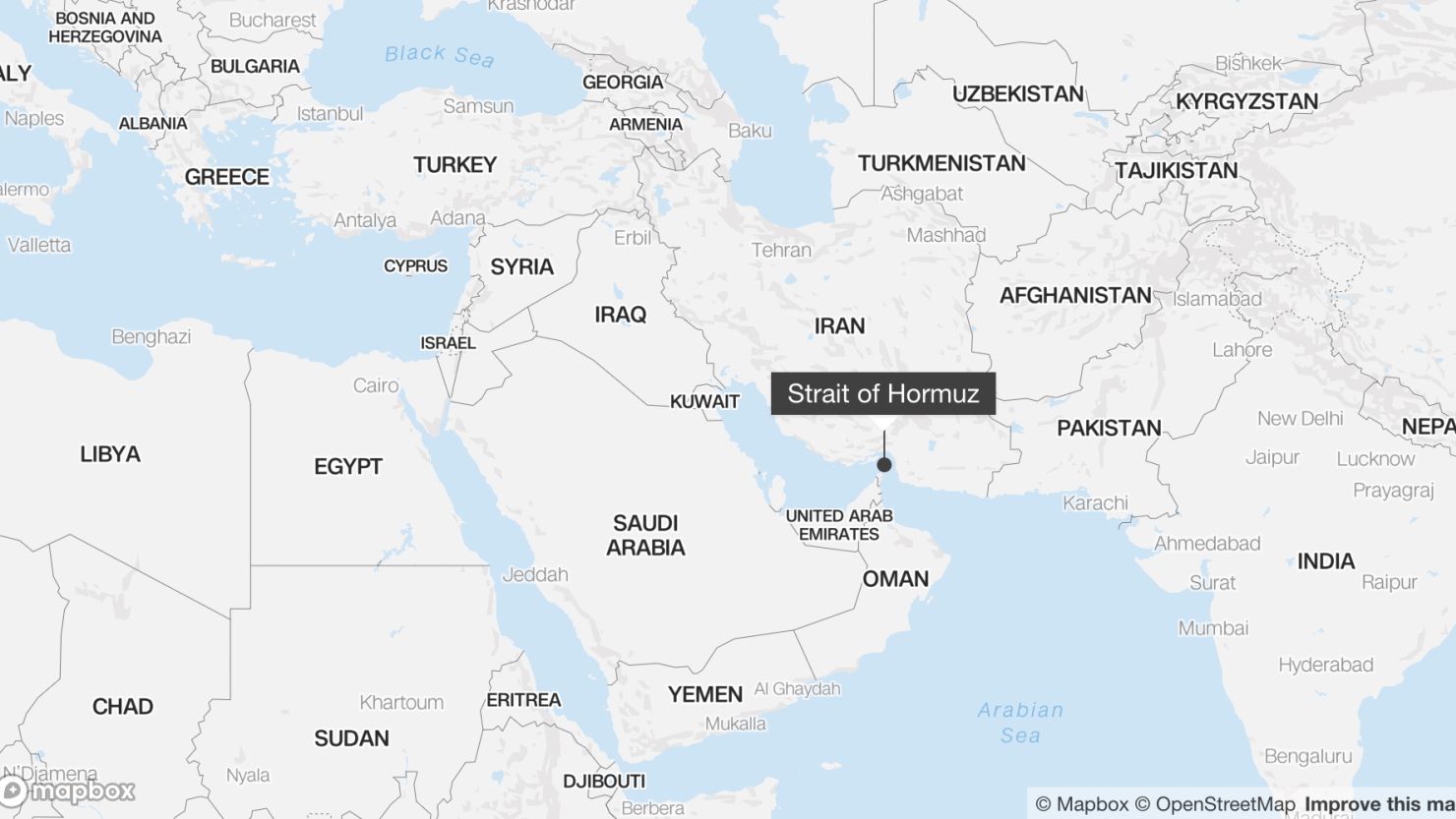
The immediate retraction of West Texas Intermediate (WTI) crude prices below $100 per barrel following the Iranian commitment to safe passage in the Strait of Hormuz is not a simple price correction; it is the mathematical liquidation of the "Geopolitical Risk Premium." For three decades, the Strait of Hormuz has functioned as a binary switch for global energy security. When Iran signaled a willingness to decouple regional conflict from the flow of 21 million barrels of oil per day (bpd), it effectively removed the supply-side "tail risk" that had been priced into the futures curve. This shift demands a rigorous examination of the structural mechanics governing global oil pricing, the logistics of maritime chokepoints, and the psychological floor of the energy market.
The Mechanics of the Risk Premium Liquidation
Crude oil prices are composed of two distinct layers: the fundamental floor and the speculative overlay. The fundamental floor is dictated by the global supply-demand balance, currently estimated at roughly 102 million bpd. The speculative overlay, or risk premium, accounts for the statistical probability of a sudden, catastrophic supply interruption.
The Strait of Hormuz represents the most significant maritime chokepoint in the world, handling roughly 20% of the world's daily oil consumption. Previous market pricing reflected a 15% to 25% premium based on the possibility of a blockade. The announcement of safe passage—guaranteed via a ceasefire framework—collapsed this probability toward zero. As the probability variable $(P)$ in the risk equation $Risk = P \times Impact$ drops, the delta in price must follow suit. This liquidation is often violent and rapid, as algorithms and hedge funds exit long positions that were predicated on a supply crunch.
The Three Pillars of Oil Price Volatility
To understand why the $100 threshold is psychologically and economically significant, one must analyze the three variables that dictate price action in the wake of a de-escalation event.
1. The Elasticity of Maritime Logistics
Shipping rates and insurance premiums are the primary transmission mechanisms for geopolitical tension. When the Strait is threatened, "War Risk" insurance premiums for tankers can spike by 500% or more. These costs are directly passed through to the landing price of crude. The agreement for safe passage provides a predictable environment for insurers, leading to a downward recalibration of Freight on Board (FOB) costs.
2. Strategic Reserve Utilization
High prices often trigger the release of Strategic Petroleum Reserves (SPR) by IEA-member nations. With the Strait of Hormuz open and safe, the pressure on Western governments to tap into these reserves diminishes. Ironically, the removal of the threat allows for a "re-filling" phase, which provides a long-term support floor for prices even as the immediate spike evaporates.
3. The OPEC+ Production Quotient
The Iranian safe passage agreement alters the leverage held by OPEC+ members. If Persian Gulf supply is guaranteed, the scarcity narrative loses its potency. Saudi Arabia and the UAE, who possess the most significant spare capacity, must now navigate a market where they can no longer rely on geopolitical fear to maintain price floors. They are forced to return to fundamental market management—adjusting production levels to match actual refinery demand rather than speculative hedging.
The Cost Function of Global Supply Chain Disruption
The impact of a $100 oil price extends far beyond the gas pump; it dictates the profitability of the entire global manufacturing sector. When oil remains above triple digits, the "Energy Intensity of GDP" becomes a drag on economic growth.
- Transportation and Logistics: Fuel represents approximately 30% of the operating costs for long-haul trucking and 40% for aviation. A drop below $100 restores margin to these sectors, lowering the "Input Cost" of every physical good.
- Petrochemical Feedstocks: Oil is a primary input for plastics, fertilizers, and pharmaceuticals. High oil prices exert an inflationary pressure that is systemic rather than localized.
- Currency Correlation: Because oil is priced in U.S. Dollars (USD), high oil prices act as a drain on the foreign exchange reserves of emerging markets. The easing of oil prices strengthens the domestic purchasing power of non-oil-producing nations, stabilizing global trade.
Operational Realities of the Strait of Hormuz
The physical geography of the Strait makes it a unique strategic bottleneck. At its narrowest point, the shipping lanes are only two miles wide in each direction, separated by a two-mile buffer zone.
The "Safe Passage" agreement is not merely a diplomatic gesture; it is an operational protocol. It involves the suspension of naval harassment, the cessation of mine-laying threats, and the guaranteed functionality of the Traffic Separation Scheme (TSS). For the market to sustain a sub-$100 price, these operational realities must be observed by all regional actors. Any "gray zone" activity—such as the seizure of a single vessel—would immediately re-introduce the risk premium, as it would signal the failure of the ceasefire's enforcement mechanisms.
Identifying the Support Floor: Why $80 is the New $60
While the plunge below $100 is significant, a return to the $40-$60 range of the previous decade is unlikely. The structural floor of the oil market has migrated upward due to three fundamental shifts:
- Capital Discipline in US Shale: American producers are no longer chasing volume at any cost. They require higher prices to satisfy shareholder demands for dividends and buybacks, preventing a "supply glut" from domestic sources.
- Global Inflationary Base: The cost of labor, steel, and technology in oil exploration and production (E&P) has risen by 25% since 2020. This raises the "Break-even Price" for new projects.
- Inventory Depletion: Global inventories are at multi-year lows. Any price drop triggers a "buy the dip" mentality from state actors looking to replenish their strategic stocks.
The Asymmetry of Geopolitical Information
Market participants must distinguish between "Hard De-escalation" (verifiable troop withdrawals and signed treaties) and "Soft De-escalation" (rhetorical shifts). The current price action suggests the market is betting on the former. However, the limitation of this strategy lies in its fragility. The Strait of Hormuz is a "single point of failure" system. Unlike the Red Sea or the Black Sea, there are no viable, large-scale alternatives to the Strait for the volume of crude produced in the Gulf. Pipelines through Saudi Arabia to the Red Sea exist but lack the capacity to handle even 40% of the volumes that transit the Strait.
Strategic Realignment for Energy Consumers
For corporate entities and sovereign wealth funds, the move below $100 signals a window for hedging future energy requirements. The "Backwardation" of the futures curve—where current prices are higher than future prices—has flattened.
Strategic actors should capitalize on this volatility by:
- Locking in long-term supply contracts at the new baseline.
- Diversifying energy sources to reduce "Chokepoint Dependency."
- Monitoring the "Gold-Oil Ratio" as a secondary indicator of systemic risk; if oil drops but gold remains high, the market is signaling that while the energy threat has subsided, broader monetary or systemic instability remains.
The collapse of the triple-digit oil price is a testament to the fact that in global commodities, perception of risk is as influential as the reality of supply. The Iranian commitment has shifted the global energy narrative from "scarcity and siege" to "management and flow." The challenge now lies in the durability of the ceasefire. If the transit remains unhindered, the $90-$95 range will become the new equilibrium, providing a much-needed cooling effect on global inflation while maintaining enough margin to keep the world's most expensive deep-water and shale projects viable.