The world breathed a collective sigh of relief when Iran announced it was reopening the Strait of Hormuz on Friday. Markets jumped, oil prices dipped, and for a few hours, it looked like the 2026 energy crisis might finally break. But don't start celebrating at the gas pump just yet.
By Saturday morning, the mood turned sour. Iranian Parliamentary Speaker Mohammad Bagher Qalibaf made it clear on social media that if the U.S. doesn't back off its naval blockade, that "open" sign is coming right back down. We're currently trapped in a high-stakes game of maritime chicken where one wrong move by a tanker captain or a Navy commander could send global markets back into a tailspin.
The Blockade That Won't Quit
Here's the situation: Iran says the water is open for business. President Trump, however, isn't blinking. He's kept the U.S. naval blockade in "full force," specifically targeting any ship entering or leaving Iranian ports.
This isn't just about a few barrels of oil. Since the 2026 war kicked off in late February, the Strait has become a choke point in the literal sense.
- The Impact: Over 20% of the world’s seaborne oil and 20% of its LNG pass through this tiny strip of water.
- The Cost: A successful blockade is estimated to cost the Iranian regime roughly $435 million every single day.
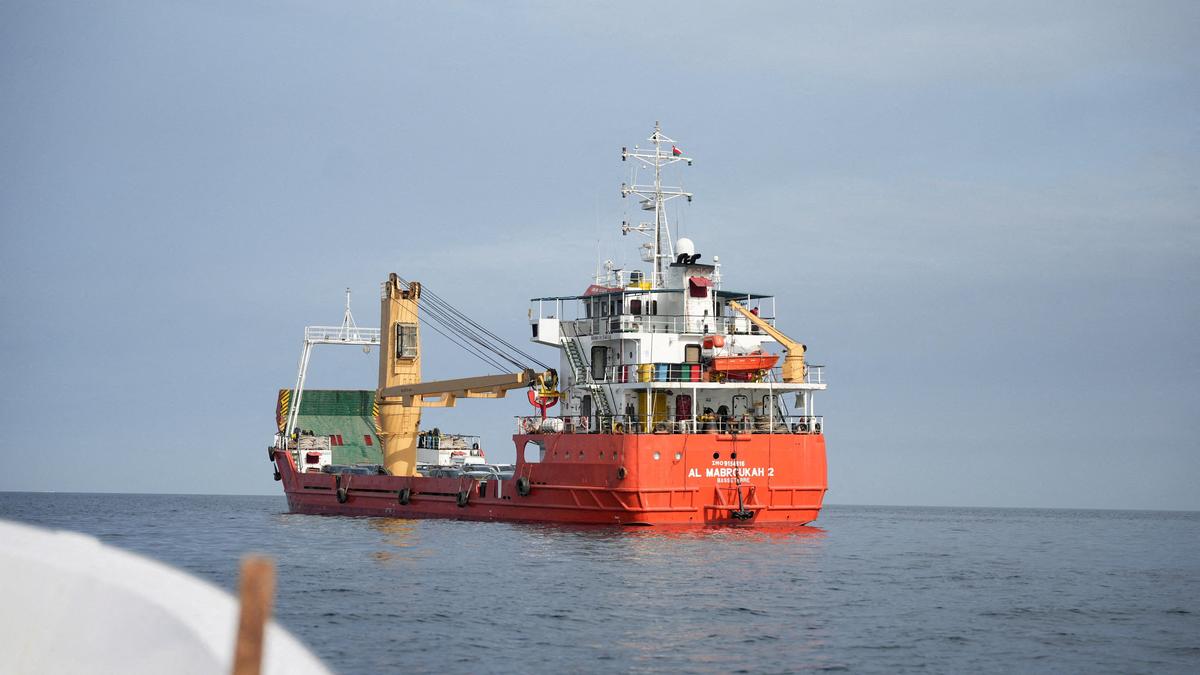
- The Gridlock: At one point, nearly 1,000 ships were stuck in a holding pattern, waiting to see if they'd be fired upon or seized.
U.S. Central Command is being aggressive. They aren't just watching AIS beacons—the digital IDs ships carry. They’re using physical intercepts to turn back vessels. According to Adm. Brad Cooper, 21 ships were forced to turn around in just the last few days. For Tehran, an "open" strait that only lets their enemies' cargo through isn't a victory; it's a slow-motion economic collapse.
Why Oil Prices Are a Roller Coaster
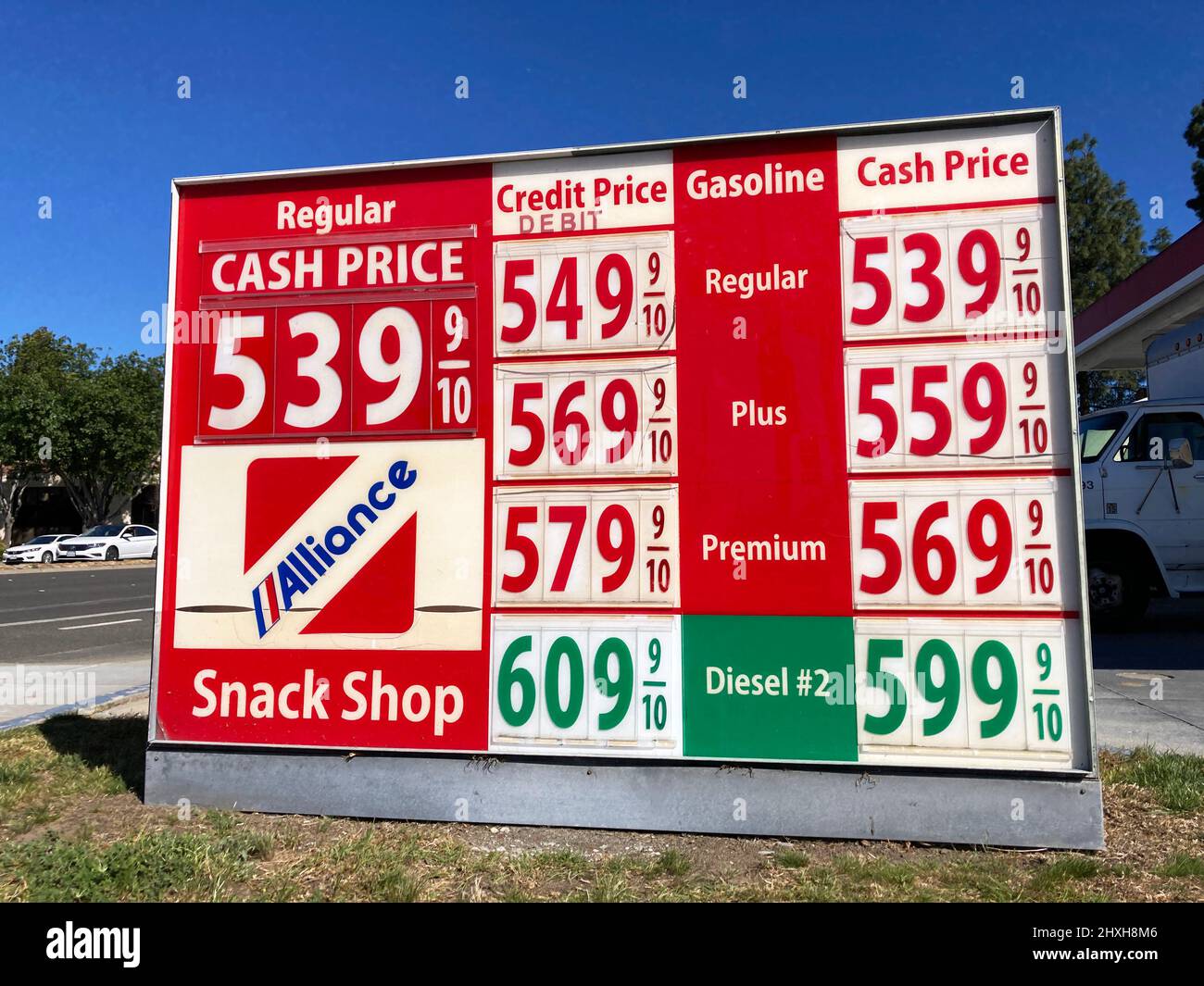
If you've noticed your local gas prices jumping 30% to 40% lately, this is why. When the Strait closed in early March, Brent Crude didn't just rise; it exploded past $120 per barrel.
The ripple effect is brutal. QatarEnergy had to declare force majeure—basically a legal "we can't fulfill our contracts"—on LNG exports. In the Gulf states, it’s even worse. They rely on the Strait for about 80% of their food. We aren't just talking about expensive fuel; we're talking about a "grocery supply emergency" where the price of staples has doubled in some cities.
The U.S. tried to take the pressure off by extending sanctions waivers on Russian oil, but that's a band-aid on a gunshot wound. As long as Iran feels the squeeze of the blockade, they'll use their leverage over the world's most important waterway to force a deal.
The Nuclear Sticking Point
What does the U.S. actually want? It’s the same old story with a 2026 twist. The Trump administration is pushing for a 20-year moratorium on uranium enrichment. Iran’s counter-offer? A five-year pause.
That 15-year gap is why the ships are still being turned around. The White House believes the blockade is working because Iran is actually showing up to talk. Vice President JD Vance recently noted that while Iran moved closer to the U.S. position, they "didn't move far enough."
What Happens if the Strait Closes Again
If Qalibaf follows through on the threat to re-close the passage, we're looking at the largest supply disruption in the history of the global oil market. We aren't just guessing here—the International Energy Agency (IEA) has already labeled this the greatest energy security challenge ever recorded.
Iran's navy isn't trying to win a traditional sea battle against the U.S. Fifth Fleet. They don't have to. They use "swarm" tactics—hundreds of small, fast boats, sea mines, and shore-based missiles. It’s messy, it’s hard to defend against, and it makes insurance premiums for tankers so high that most companies simply won't risk the trip.
Your Move
Don't get distracted by the "reopening" headlines. The fundamental conflict—the U.S. blockade versus Iran's control of the water—remains unresolved.
- Watch the Waiver: The current U.S. sanctions waiver expires on April 19. If it isn't renewed, expect Iran to ramp up the rhetoric or the kinetic action.
- Monitor the Talks: Rumors of a second round of negotiations this weekend are the only thing keeping the markets from panicking again.
- Check the Corridors: Data firms like Kpler are reporting that even though the Strait is "open," traffic is restricted to specific corridors that require Iranian approval.
The crisis isn't over. It's just entered a new, more claustrophobic phase. Keep an eye on the Brent Crude tickers; they'll tell you the real story long before the official press releases do.