Bilateral defense agreements are frequently mischaracterized in public media as sweeping security guarantees, when they are more accurately interpreted as institutionalized frameworks for resource and capability exchanges. The recent signing of the Protocol Agreement-2026 between Pakistan and Kuwait in Rawalpindi, following closely on the heels of broader regional arrangements involving Saudi Arabia and Turkey, demands a rigorous structural examination. Superficial reporting often groups all such accords into a single category of military alliance. A functional analysis reveals that distinct tiers of commitment exist, driven by asymmetric national needs, capital allocation priorities, and industrial capacities.
The architecture of modern military diplomacy relies on separating mutual defense umbrellas from functional capacity-building protocols. The defense pact established between Pakistan and Kuwait occupies the latter category. Unlike comprehensive collective security pacts that mandate reciprocal military intervention or troop deployments, the Pakistan-Kuwait framework operates as a functional mechanism for institutional cooperation. Understanding this distinction requires examining the explicit variables governing the partnership: military training integration, logistical standardization, intelligence exchange mechanisms, and defense-industrial co-production.
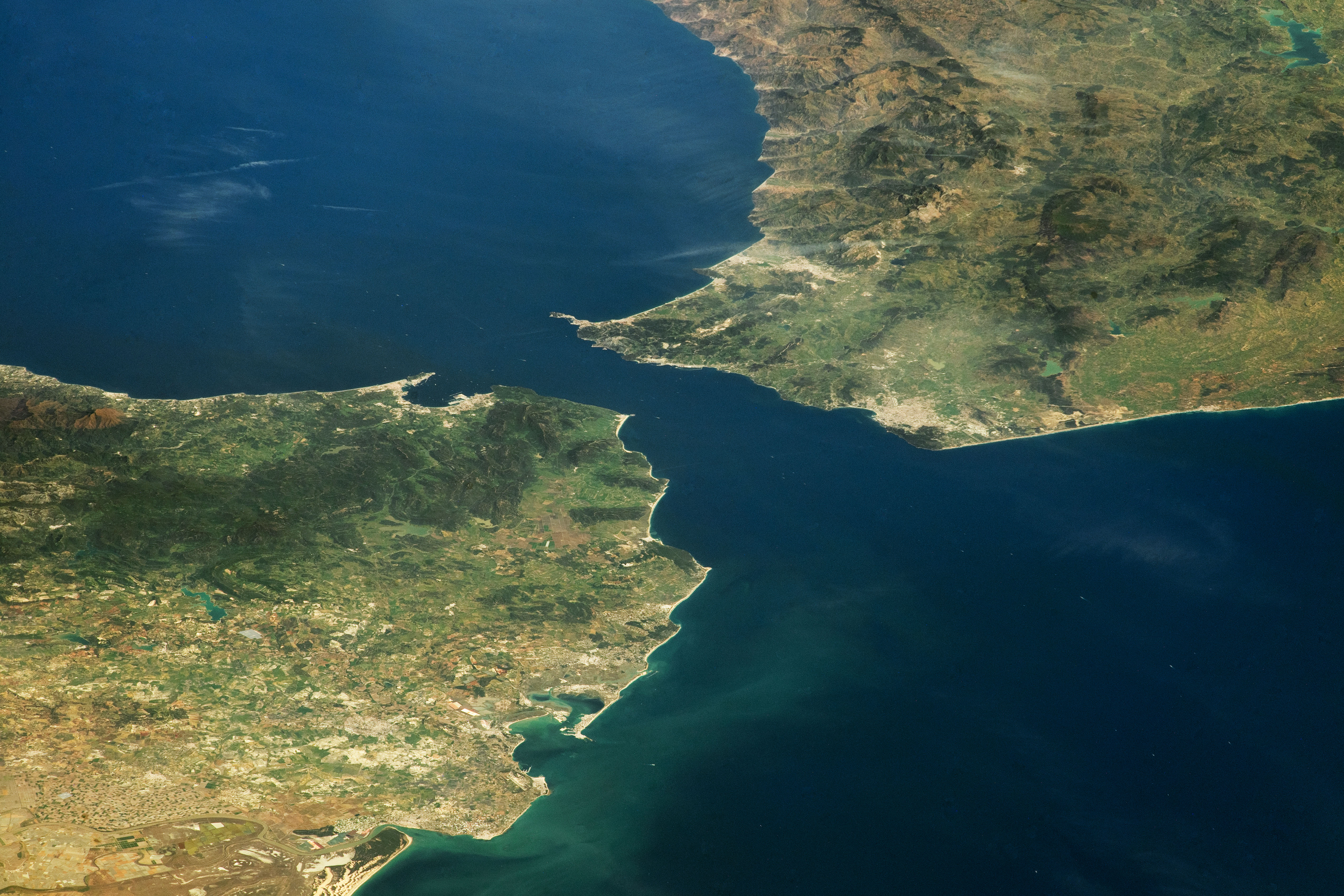
Kuwait faces a distinct security vulnerability matrix shaped by geography and historical exposure to regional volatility, particularly concerning maritime choke points like the Strait of Hormuz. For decades, Kuwait relied heavily on Western security guarantees. The gradual diversification of its security architecture represents an intentional strategy to hedge against external shocks and reduce sole-source dependency. By institutionalizing ties with Pakistan, Kuwait gains access to an established military training apparatus and specialized technical expertise without triggering the complex political obligations associated with formal mutual defense treaties.
Pakistan approaches these bilateral instruments through the lens of economic stabilization and defense-industrial monetization. The state functions as a net exporter of military human capital and specialized technical services, while concurrently scaling its domestic defense manufacturing sector, particularly in unmanned aerial systems and conventional munitions. Engaging affluent Gulf Cooperation Council economies creates a dual-vector return: it secures immediate bilateral institutional ties and opens pathways for foreign direct investment into Pakistan’s industrial base.
The mechanics of the Protocol Agreement-2026 operate through specific operational channels rather than abstract political solidarity.
- Military Education and Training: Institutionalizing the rotation of officer corps and specialized personnel through respective military academies ensures doctrinal alignment and operational familiarity.
- Logistical Interoperability: Standardizing supply chains, maintenance protocols, and technical support systems reduces friction during joint exercises or operational deployments.
- Intelligence Sharing: Establishing secure channels for threat communication regarding transnational security challenges safeguards both states against asymmetric disruptions.
- Defense-Industrial Collaboration: Integrating Kuwaiti capital investment with Pakistani defense manufacturing capabilities creates a localized supply chain insulated from external geopolitical embargoes.
These components bypass the need for standing joint commands or automatic trigger mechanisms. Instead, they embed continuous coordination into the routine operations of both armed forces via a Joint Military Committee. This structural approach allows participating states to adjust the intensity of their cooperation dynamically, scaling tactical engagement up or down according to shifting regional risk profiles.
The macro-level trend encompassing these bilateral deals reflects a broader recalibration of security dependencies across the Middle East and South Asia. Traditional security architectures, anchored exclusively by external superpowers, are experiencing structural strain due to shifting strategic priorities in Western capitals. Regional middle powers are responding by constructing interlocking bilateral and minilateral networks. Pakistan sits at the intersection of this reconfiguration, leveraging its institutional military capacity to build functional partnerships that serve both its fiscal stabilization goals and the Gulf states' diversification imperatives.
Evaluating the durability of these frameworks requires monitoring specific economic and operational indicators rather than diplomatic communiques. Analysts must track the frequency of joint technical deployments, the volume of capital redirected into co-production facilities, and the institutionalization of the Joint Military Committee.
Prioritize direct tracking of defense-industrial capital flows and technical integration milestones rather than relying on broad political declarations to gauge the real-world utility of these agreements.