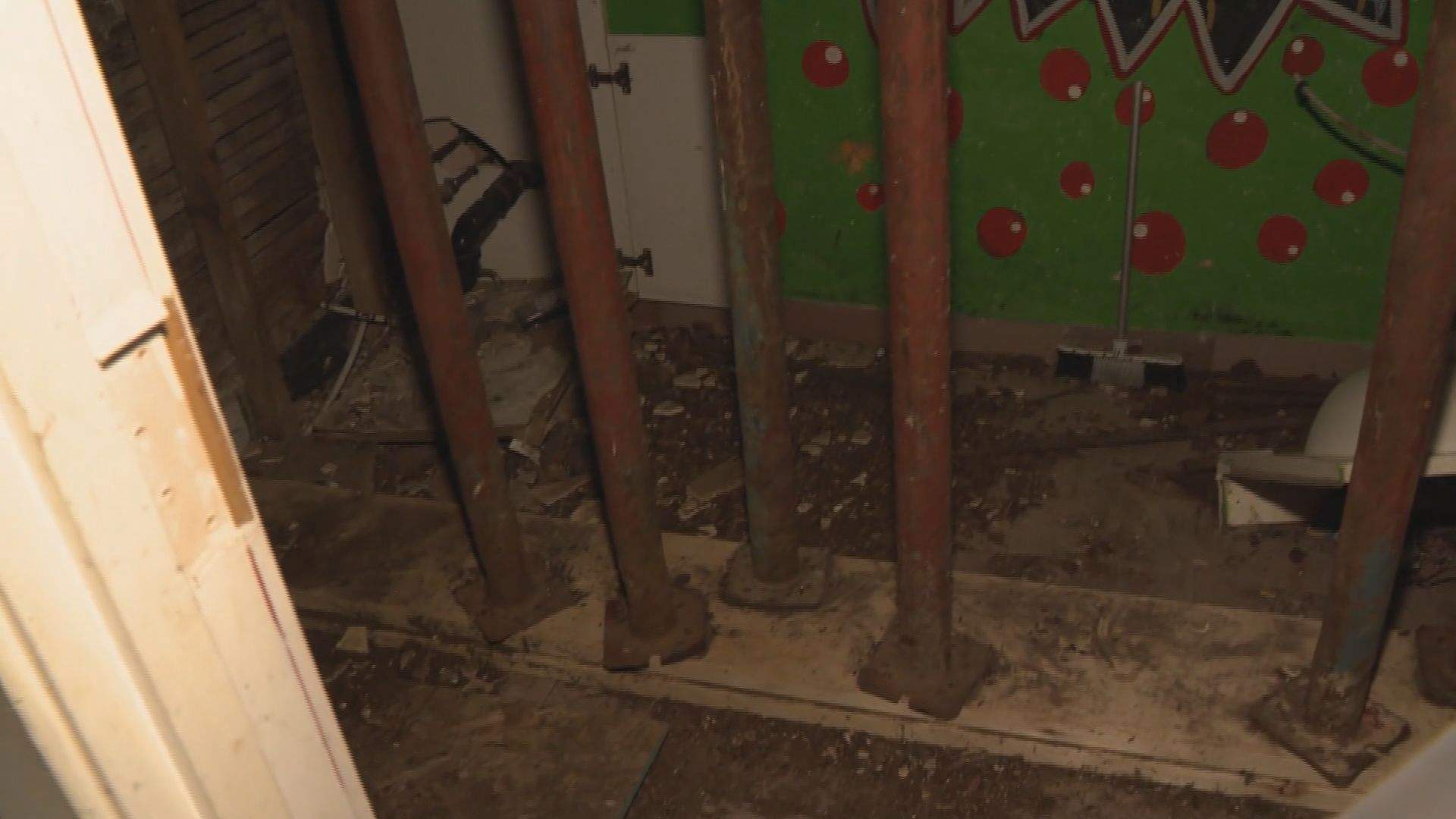
The convergence of financial insolvency, physical decay, and regulatory paralysis has transformed Vancouver’s private Single Room Occupancy hotel sector into an acute municipal liability. When a multi-storey residential building enters receivership due to defaulted acquisition debt while simultaneously facing structural safety orders, the underlying mechanics of urban low-income housing are exposed as fundamentally unstable. This crisis is not a random market anomaly. It is the predictable outcome of an economic model where aging real estate assets, heavily leveraged private acquisitions, and stringent municipal oversight collide without a functional buffer for capital rehabilitation.
Analyzing the trajectory of these properties reveals a systemic failure across three distinct domains: capital structure, regulatory friction, and operational cost distribution. Understanding how these forces interact clarifies why intervention efforts stall for years, leaving buildings in legislative limbo while structural integrity deteriorates and vulnerable tenants remain caught in the crossfire of bureaucratic inertia. Don't miss our earlier article on this related article.
The Economic Mechanics of SRO Insolvency
The foundational vulnerability of private single-room accommodation lies in the inverse relationship between asset age and capital expenditure requirements, juxtaposed against legally capped revenue streams. Most private rooming houses in the urban core were constructed over a century ago as transient worker accommodations. Over decades, ownership turnover has frequently transferred these high-maintenance physical plants to operators with limited capital reserves.
The acquisition financing models underlying these properties often rely on aggressive leverage. When interest-only private mortgages mature, borrowers face immediate refinancing cliffs. In a high-interest economic environment, debt service coverage ratios collapse. Because rental rates in these facilities are anchored by provincial assistance rates and municipal vacancy control policies, operators cannot raise gross revenues to absorb surging capital costs. If you want more about the context here, The New York Times provides an in-depth summary.
When default occurs, the asset enters court-ordered receivership. Unlike commercial real estate where a receiver can easily restructure leases, evict non-performing occupants, or redevelop the site, SRO receivers face severe statutory barriers. The Single Room Accommodation By-law and provincial residential tenancy legislation restrict conversion, demolition, or displacement. Consequently, a receiver inherits an asset with negative net operating income, zero capacity for debt service, and millions of dollars in deferred structural liabilities. The property becomes an economic dead end, trapping creditors, municipal authorities, and occupants in an unresolvable financial standstill.
Regulatory Asymmetry and Bureaucratic Friction
A primary driver of legislative limbo is the structural conflict between municipal housing preservation policies and provincial occupational health and safety mandates. This friction creates a procedural bottleneck that prevents timely remediation.
When structural degradation—such as collapsed interior flooring or compromised foundational load-bearing elements—triggers emergency oversight, oversight authorities issue distinct, sometimes contradictory directives. Provincial safety agencies halt all physical work until a professional structural engineer submits certified safety verifications ensuring worker protection. Simultaneously, municipal planning departments enforce strict permit prerequisites, heritage considerations, and tenant protection plans before issuing restoration permits.
This creates an operational paradox. The property owner or receiver cannot secure financing or execute repairs without permits, yet municipal permitting bodies withhold approvals until comprehensive engineering and safety compliance hurdles are cleared. Meanwhile, provincial safety bodies prohibit entry and remediation until active engineering certification is established.
For the remaining occupants, this regulatory standoff manifests as prolonged uncertainty. When an owner expresses willingness to execute structural shoring and rehabilitation, administrative delays often stall the process for months or years. The bureaucratic apparatus designed to protect tenants ends up freezing the physical environment in a state of arrested decay, where neither full demolition nor structural restoration can legally proceed.
The Cost Function of Deferred Intervention
The fiscal impact of maintaining compromised rooming houses under receivership or partial occupancy extends far beyond private balance sheets. When a building deteriorates to the point where only a handful of tenants remain, the municipal and provincial cost structure shifts dramatically.
Maintaining emergency municipal services, continuous utility lifelines, and dedicated staffing for a nearly vacant facility creates an inverted economic efficiency. Public expenditures required to sustain administrative oversight, security, and monitoring for single-digit tenant populations frequently exceed the actual cost of providing alternative, high-quality supportive housing units. This misallocation of public funds highlights a structural failure in asset disposition strategies.
The displacement risk cascades outward when multiple private SROs face simultaneous foreclosure or receivership. When hundreds of low-income units are threatened by private debt defaults, the regional emergency shelter system absorbs the shock. Because the municipal market lacks a sufficient supply of non-market replacement housing, displaced residents face immediate homelessness, increasing the utilization rate of acute healthcare services, emergency response units, and judicial systems. The public sector ultimately bears the financial burden of private capital failure, functioning as an involuntary insurer of last resort for distressed real estate assets.
Systemic Mismatch in Private Asset Management
The core operational failure of the private SRO model stems from a fundamental mismatch between speculative real estate investment and social infrastructure management. Private buyers often acquire these parcels anticipating future land value appreciation or high-density redevelopment potential. Consequently, operational maintenance is treated as a sunk cost to be minimized rather than a vital reinvestment in human infrastructure.
When municipal regulations restrict redevelopment or mandate retention of the existing rooms through stringent bylaws, the speculative thesis collapses. Owners who purchased properties based on future land uplift find themselves locked into low-yield, high-risk rooming house operations without the liquidity required to maintain aging structural components.
This dynamic generates a perverse incentive structure. Deferring maintenance maximizes short-term cash flow until structural failure forces municipal intervention. At that point, the private owner can divest the liability to the court system via receivership or abandon capital improvements entirely. The market mechanism fails because the asset class cannot generate sufficient organic yield to sustain its own physical reproduction under strict regulatory constraints.
Strategic Pathways for Asset Stabilization
Resolving the permanent limbo of distressed rooming houses requires a fundamental shift from reactive litigation and court-ordered receiverships to proactive public-private capital restructuring.
The first structural requirement is the establishment of a dedicated acquisition and recapitalization fund managed by non-market housing providers or municipal development corporations. Rather than permitting distressed properties to cycle through private mortgage defaults and protracted receivership litigation, public authorities must establish clear mechanisms to acquire insolvent SROs at distressed land values before physical collapse occurs.
The second requirement involves streamlining regulatory pathways for structural remediation. Municipal and provincial oversight bodies must institute a synchronized emergency permitting and engineering protocol. By establishing a unified task force that concurrently addresses municipal bylaw compliance and provincial worker safety mandates, the administrative lead time for executing critical structural repairs can be compressed from years to weeks.
The third requirement is the decoupling of low-income housing operations from speculative real estate cycles. Long-term housing stability cannot rely on private landlords navigating high-interest debt cycles. Public acquisition, coupled with sustainable capital grants for seismic and structural upgrades, offers the only viable mechanism to eliminate the recurring cycle of collapse warnings and administrative gridlock. Without these structural reforms, the sector will continue to oscillate between sudden corporate insolvencies and permanent legislative paralysis.