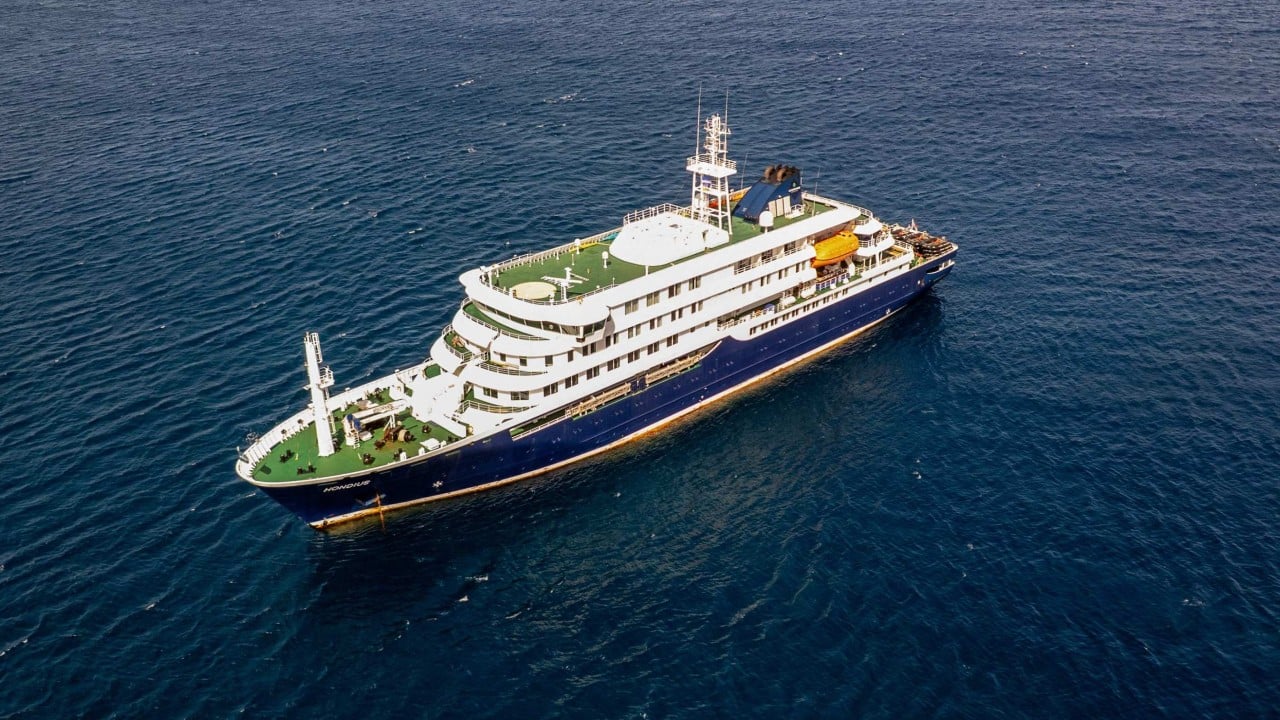
The report of three fatalities linked to a suspected Hantavirus outbreak on a cruise vessel highlights a catastrophic failure in closed-environment biosafety protocols. While Hantavirus is typically characterized by sporadic, localized transmission via rodent vectors, its appearance in a high-density, mobile maritime environment shifts the risk profile from a localized zoonotic event to a systemic logistical crisis. Assessing the impact of this outbreak requires moving beyond sensationalism to evaluate the mechanical intersections of rodent-to-human transmission, the failure of integrated pest management (IPM), and the biological constraints of the virus itself.
The Transmission Mechanics of Orthohantavirus
Hantaviruses are enveloped RNA viruses within the family Bunyaviraviridae. Unlike influenza or SARS-CoV-2, human-to-human transmission is statistically anomalous, documented almost exclusively in the Andes virus strain. The primary transmission vector is the inhalation of aerosolized excreta (urine, feces, or saliva) from infected rodents.
In a cruise ship context, the risk is concentrated in three distinct zones:
- The Sub-Deck Infrastructure: The interstitial spaces between bulkheads provide sheltered transit corridors for rodents. Air circulation systems that pull from these voids can distribute viral particles into passenger cabins.
- Provisioning Chains: Rodents are frequently introduced during the loading of dry goods and produce in regional ports where Hantavirus is endemic.
- HVAC Dead Zones: Low-flow areas in ventilation systems allow aerosolized particles to settle, only to be re-suspended during maintenance or high-load cycles.
The clinical progression follows a bifurcated path: Hemorrhagic Fever with Renal Syndrome (HFRS) or Hantavirus Pulmonary Syndrome (HPS). The latter carries a mortality rate of approximately 38%. The three deaths reported suggest a high viral load exposure or a delay in recognizing the prodromal phase—the initial period of fever and myalgia that mimics common influenza.
The Failure of Integrated Pest Management (IPM)
The presence of Hantavirus-carrying rodents on a modern vessel indicates a multi-stage breakdown in maritime sanitation standards. A cruise ship is a closed metabolic system; every input is logged, and every waste output is processed. For a rodent population to reach the density required to cause three human deaths, several systemic barriers must have been breached.
The Exclusion Barrier
Vessels use "rat guards"—conical shields on mooring lines—to prevent rodent ingress from the pier. Failure here is usually mechanical (improper fit) or procedural (leaving the guards off during rapid turnaround times). If the virus originated from a regional port, the exclusion barrier failed at the point of origin.
The Harborage Paradox
Modern cruise ship design prioritizes aesthetic "clean lines," which often creates inaccessible voids behind panels. These voids are heat-rich environments near engine rooms or galleys, providing ideal nesting conditions. When these spaces are not subjected to thermal imaging or acoustic monitoring, a colony can remain undetected until it reaches a saturation point, forcing rodents into human-occupied zones.
Vector Resistance and Sanitation Lag
Routine chemical treatments often lead to localized resistance. Furthermore, the use of anticoagulant rodenticides can result in "dead-in-wall" scenarios. As carcasses decompose, they dry out, and the viral load within the tissue can remain viable for several days depending on humidity and UV exposure. If cleaning crews use dry-sweeping or compressed air in these spaces, they inadvertently create the aerosolization required for human infection.
Quantitative Risk Assessment of Maritime Outbreaks
To understand why this outbreak is significant, one must apply a risk-matrix that weighs Mobility against Density.
- R0 (Basic Reproduction Number): In Hantavirus, the R0 is effectively zero for human-to-human spread. However, the "Environmental R0"—the number of people infected by a single environmental source—spikes in a cruise ship's recirculated air environment.
- The Latency Bottleneck: Hantavirus has an incubation period of 1 to 8 weeks. This creates a "phantom cargo" effect. A ship may clear inspection in one port while carrying dozens of passengers who are biologically "primed" but asymptomatic. By the time the first death occurs, the ship has potentially docked in multiple jurisdictions, complicating the epidemiological trace-back.
The three deaths reported by the WHO suggest a concentrated exposure event, likely occurring in a shared ventilation plenum or a specific food-service area. In a population of 2,000 to 5,000 people (average ship capacity), three deaths indicate either an extremely virulent strain or a high-volume point source of aerosolized waste.
Clinical Realities and Diagnostic Lag
The primary challenge in managing a Hantavirus event at sea is the lack of specific diagnostic tools. Shipboard infirmaries are equipped for trauma, norovirus, and basic cardiac events. They rarely possess the enzyme-linked immunosorbent assays (ELISA) or polymerase chain reaction (PCR) capabilities required to identify Hantavirus.
Early symptoms—fever, chills, and headache—are non-specific. In a cruise environment, these are frequently misdiagnosed as "cruise flu" or dehydration. The transition to the "cardiopulmonary phase" happens rapidly, often within 24 hours of the initial respiratory distress. Once a patient enters this phase, the requirement for extracorporeal membrane oxygenation (ECMO) or advanced mechanical ventilation exceeds the capacity of almost any civilian vessel.
The mortality in this specific outbreak likely resulted from the inability to provide "Level 4" intensive care during the transit between ports.
Regulatory and Economic Implications
The WHO’s involvement signals that this is no longer a private corporate liability but a public health threat under the International Health Regulations (IHR 2005).
The Cost Function of Quarantine
The economic impact of a Hantavirus-related "No Sail Order" is not limited to lost ticket revenue. It involves:
- Demucking and Remediation: Total sterilization of HVAC systems and bulkhead voids.
- Litigation Reservicing: Establishing reserves for wrongful death and gross negligence claims based on the failure of the ship's Sanitation Program (VSP).
- Brand Erosion: Unlike Norovirus, which is seen as an unavoidable nuisance, Hantavirus is associated with high mortality and "vermin," which carries a much higher psychological stigma for the consumer.
Jurisdictional Friction
When a death occurs in international waters on a flagged vessel (e.g., Bahamas or Panama) with passengers from multiple nations, the forensic trail becomes murky. The WHO acts as the centralizing intelligence, but the enforcement of sanitation changes rests with the flag state and the CDC’s Vessel Sanitation Program for ships calling on U.S. ports. This incident reveals a gap in how these agencies monitor "non-traditional" maritime pathogens.
Strategic Mitigation Framework
The resolution of this crisis and the prevention of subsequent events require a shift from reactive cleaning to proactive bio-mapping.
- Environmental DNA (eDNA) Sampling: Implementation of air-filter swabs that can detect rodent DNA and viral fragments within the HVAC system before human symptoms appear.
- Negative Pressure Retrofitting: Critical infirmary bays on ships must be capable of true isolation with HEPA-filtered exhaust to prevent the ship's own ventilation from becoming a distribution network for pathogens.
- Mandatory Wet-Cleaning Protocols: Any maintenance in void spaces must strictly forbid dry-dusting or vacuuming without HEPA filtration. All surfaces must be saturated with a 10% bleach solution or equivalent virucide to prevent aerosolization.
The transition from "suspected" to "confirmed" Hantavirus will necessitate a complete audit of the ship’s supply chain. If the rodents were introduced via a specific port’s grain or produce shipment, that port becomes a "hot zone" for the entire maritime industry.
The strategic play for the cruise industry is the immediate adoption of "biosensors" within the bilge and storage areas. Relying on visual sightings of rodents is a 19th-century solution to a 21st-century biological risk. Operators must now treat pest control as a branch of clinical virology. Failure to do so transforms a luxury asset into a multi-million-dollar biohazard.


00128-7/asset/c466084c-91d2-4e7e-b9c9-54c0be1ccc1c/main.assets/gr1_lrg.jpg)