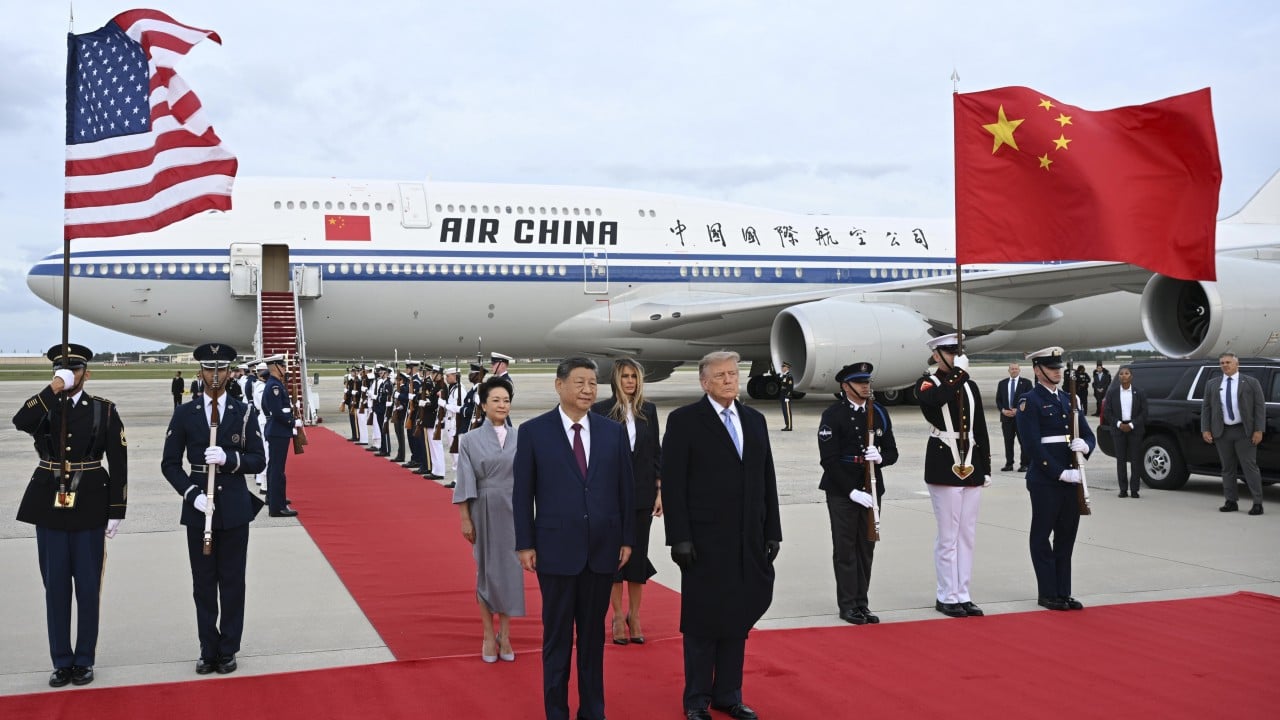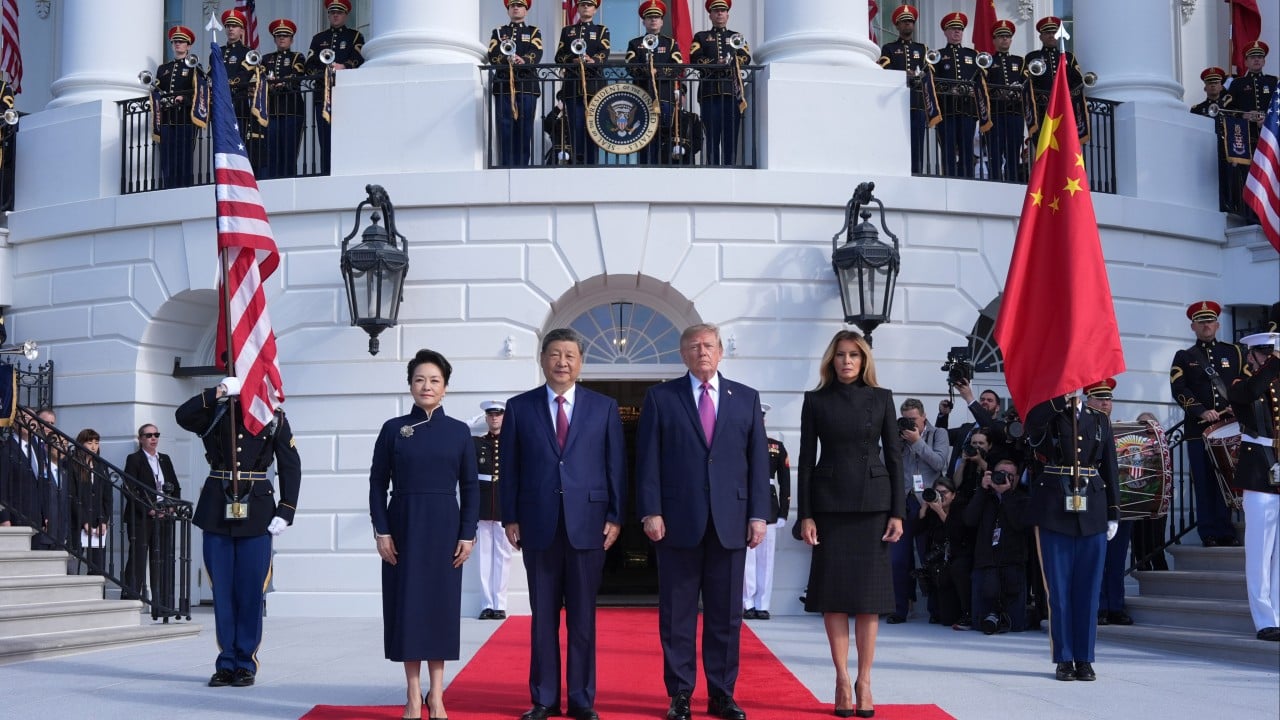
Diplomatic negotiations between sovereign superpowers are rarely determined by ceremonial display or tactical posturing. When structural systemic pressures collide with domestic economic incentives, the resulting bilateral output depends on quantifiable risk matrices rather than personal rapport. Deconstructing high-stakes encounters between Washington and Beijing requires examining the underlying cost functions that govern trade policy, supply chain security, and technological dominance.
The Asymmetric Cost Function of Trade Restrictions
Bilateral trade disputes operate under an asymmetric burden model. Tariffs and export controls function as economic friction, imposing deadweight losses on both economies while serving distinct domestic political functions. You might also find this similar story useful: Why Tax Systems Fail Everyday Citizens and Who Benefits Instead.
The primary variables governing trade negotiations involve three structural constraints:
- The Commodity Exposure Index: Raw material exporters and agricultural producers face immediate localized price shocks when retaliatory tariffs are imposed, creating intense lobbying pressure on central administrations.
- The Technological Hegemony Threshold: Advanced computing infrastructure and semiconductor supply chains represent non-negotiable security vectors. Restrictions here are inelastic, meaning standard market-clearing mechanisms do not apply.
- The Regulatory Compliance Lag: Implementing reciprocal tariff reductions requires complex legal verification mechanisms, creating long windows of uncertainty that depress corporate capital expenditure.
When central authorities negotiate trade truces or extended suspensions, they are attempting to minimize domestic political fallout while preserving strategic leverage. The mechanics of these pauses reveal a fundamental truth of modern statecraft: economic decoupling is structurally constrained by deep integration, forcing both nations to manage managed friction rather than complete separation. As highlighted in latest reports by The Economist, the results are notable.
The Strategic Calculus of Technological Governance
Competition over artificial intelligence and advanced computation operates as a zero-sum security dilemma. Unlike traditional manufacturing, where comparative advantage dictates trade flows, intelligence accumulation and algorithmic scale create compounding advantages.
The architecture of technological containment relies on three functional pillars:
- Hardware Export Thresholds: Regulating the operational capacity of silicon components shipped across borders to prevent dual-use military applications.
- Pre-Release Model Evaluation: Establishing bilateral communication channels to monitor frontier artificial intelligence models before public deployment.
- Incident Reporting Protocols: Creating automated de-escalation pathways to address algorithmic anomalies or systemic cybersecurity disruptions.
These measures highlight a shift from open-market globalization to defensive mercantilism. The primary constraint on technological cooperation is not a lack of commercial desire, but the absence of trust regarding long-term intelligence parity. Consequently, diplomatic agreements regarding technology are invariably bounded by strict verification protocols that limit actual integration.
Structural Friction Points in Bilateral Execution
The transition from high-level communiques to operational reality exposes chronic institutional bottlenecks. Sovereign states operate under divergent administrative frameworks, leading to persistent friction during implementation phases.
The structural impediments to policy execution include asymmetric enforcement capabilities, wherein centralized state directives encounter fragmented local implementation realities, and domestic legislative oversight, which introduces external unpredictability into international commitments. Furthermore, third-party market actors, such as multinational corporations and commodity traders, constantly arbitrage regulatory gray areas, blunting the intended impact of bilateral policy instruments.
These operational inefficiencies ensure that diplomatic breakthroughs rarely translate into clean, linear outcomes. Instead, they produce iterative cycles of negotiation, temporary compliance, and subsequent renegotiation as market conditions shift.
Strategic Implementation and Sovereign Positioning
Navigating complex geopolitical environments requires abandoning assumptions of permanent stability or linear resolution. Decision-makers operating within these cross-currents must construct resilient operational models that account for regulatory volatility.
Organizations dependent on international supply chains should decouple operational planning from diplomatic rhetoric. By stress-testing logistics against a baseline of persistent trade friction, supply chain managers can insulate themselves against sudden tariff adjustments or export control revisions. Capital allocation strategies must prioritize geographical diversification and compliance redundancy over short-term cost minimization, ensuring structural continuity regardless of macroeconomic policy shifts.