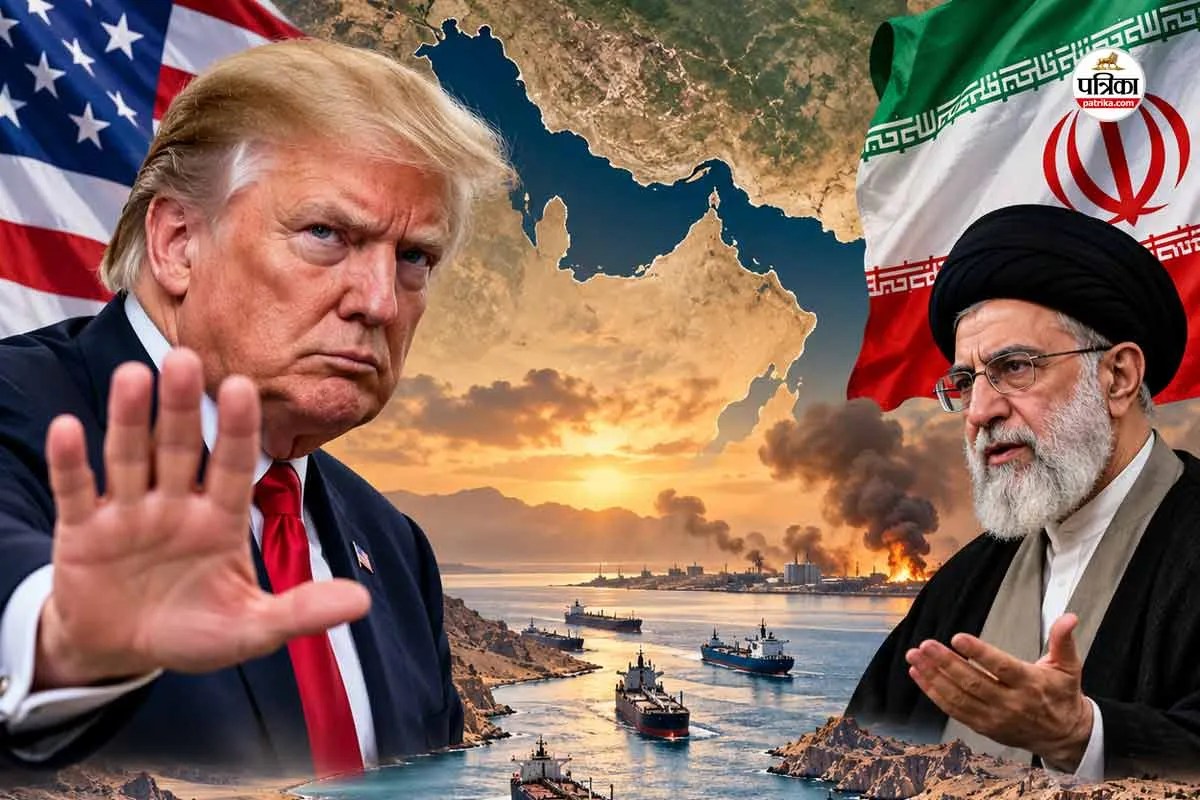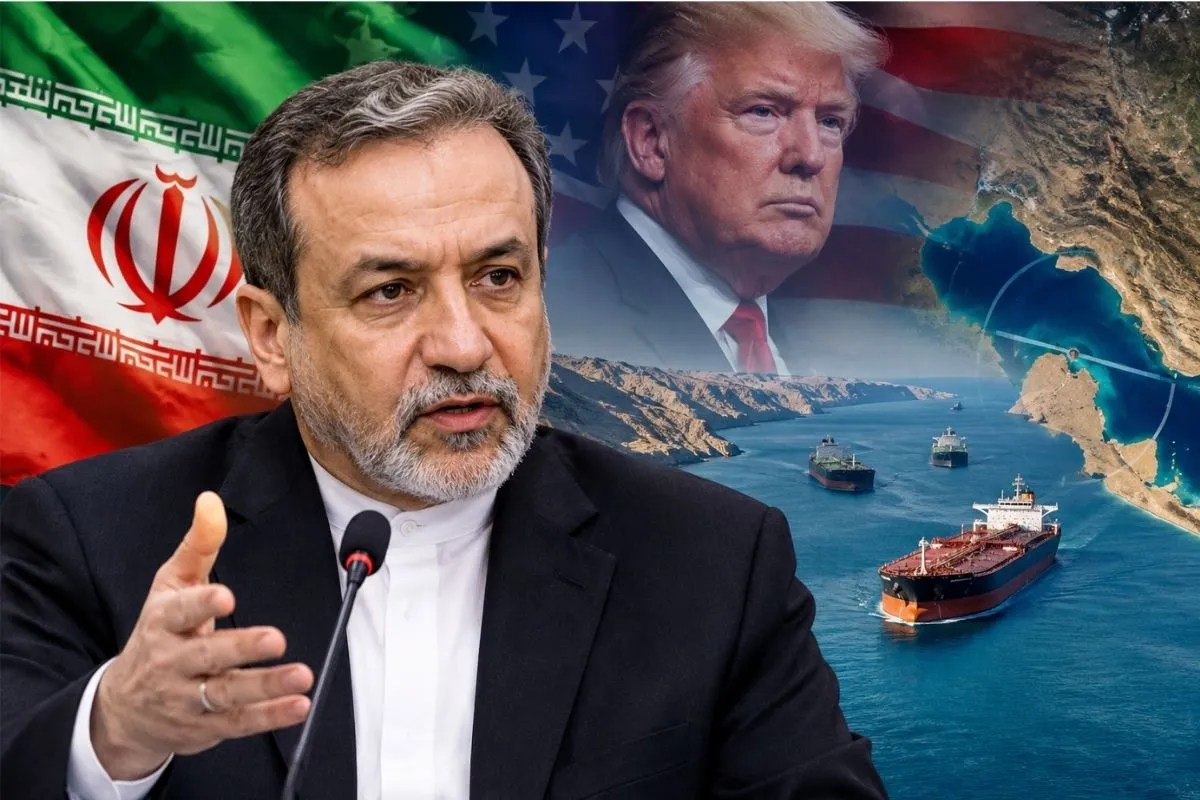
Geopolitical chokepoints operate on binary logic: flow or blockage. When the Strait of Hormuz experiences systemic disruption, the economic cost functions propagate instantly across global energy markets, altering Brent crude pricing, tanker insurance premiums, and strategic reserves management. The introduction of structured operational timelines by Iranian state actors—specifically Foreign Minister Abbas Araghchi's articulated seven-day sequencing framework—represents an attempt to codify the terms of disengagement. Deconstructing this proposal requires examining the mechanical variables of the maritime blockade, the conditional dependencies demanded by Tehran, and the structural friction points preventing immediate implementation.
The Tripartite Conditionality Matrix
The operational mechanics of the proposed timeline rely on sequential reciprocity. Rather than an unconditional cessation of hostilities, the framework conditions maritime normalization on three distinct economic and military concessions from the United States and allied coalitions.
- Naval Blockade Dissolution: The immediate cessation of counter-blockade operations targeting Iranian commercial ports. The constraint matrix here involves the physical repositioning of coalition naval assets currently enforcing inspection protocols.
- Petroleum Export Liquidity: The selective rollback of enforcement mechanisms restricting Iranian crude oil placement on international markets. This touches upon secondary sanctions compliance, tanker-tracking protocols, and insurance validation under maritime law.
- Regional Theater De-escalation: The inclusion of adjacent zones of friction, specifically incorporating regional cessation parameters that extend operational constraints to proxy engagements in external corridors such as Lebanon and Yemen.
Without structural alignment on these three variables, the theoretical timeline remains inoperative, serving primarily as a signaling mechanism for third-party mediators such as Qatar to gauge Washington's appetite for compromise.
The Seven-Day Execution Timeline
The architecture of the proposed reopening relies on a tightly bound operational calendar. The mechanism assumes that preliminary diplomatic frameworks established during prior memorandums of understanding provide the baseline legal text, reducing bureaucratic latency.
Day 01-04: Verification of Sanctions Relief & Naval Redeployment
Day 05    : Bilateral Compliance Audit by Regional Mediators
Day 06    : Official Resumption of Commercial Tanker Transit via Hormuz
Day 07    : Initiation of Comprehensive Multilateral Nuclear & Security Talks
The mathematical constraint of this timeline lies in the verification velocity. Verifying the unfreezing of sovereign financial assets and the physical withdrawal of naval interdiction units requires a level of institutional trust that historical precedent shows is largely absent between the two states.
The Maritime Bottleneck and Asset Friction
The physical reality of the waterway complicates theoretical timelines. Pre-crisis transit baselines through the chokepoint hover near standard daily volumes of roughly 130 to 140 commercial vessels. Prolonged closures trigger a cascading accumulation of idle tonnage anchored in outer watch boxes.
When maritime passage resumes, systemic congestion creates secondary logistical hazards:
- Port Queue Saturation: Discharge terminals at destination ports face arrival bunching, extending turnaround times.
- Insurance Re-pricing Lag: Underwriters require sustained verification of safety before lowering war-risk premiums, meaning spot freight rates do not normalize immediately upon political announcements.
- Mine Clearance Verification: Navigational safety depends on physical sweep operations to clear potential ordnance, a process that inherently consumes days regardless of diplomatic declarations.
Strategic Outlook
The viability of a compressed timeline depends entirely on whether bilateral objectives prioritize total strategic victory or tactical de-escalation of economic overhead. As long as enforcement mechanisms remain asymmetric, maritime traffic through the Persian Gulf will operate under high friction, keeping energy price volatility elevated regardless of diplomatic proposals tabled in international forums.