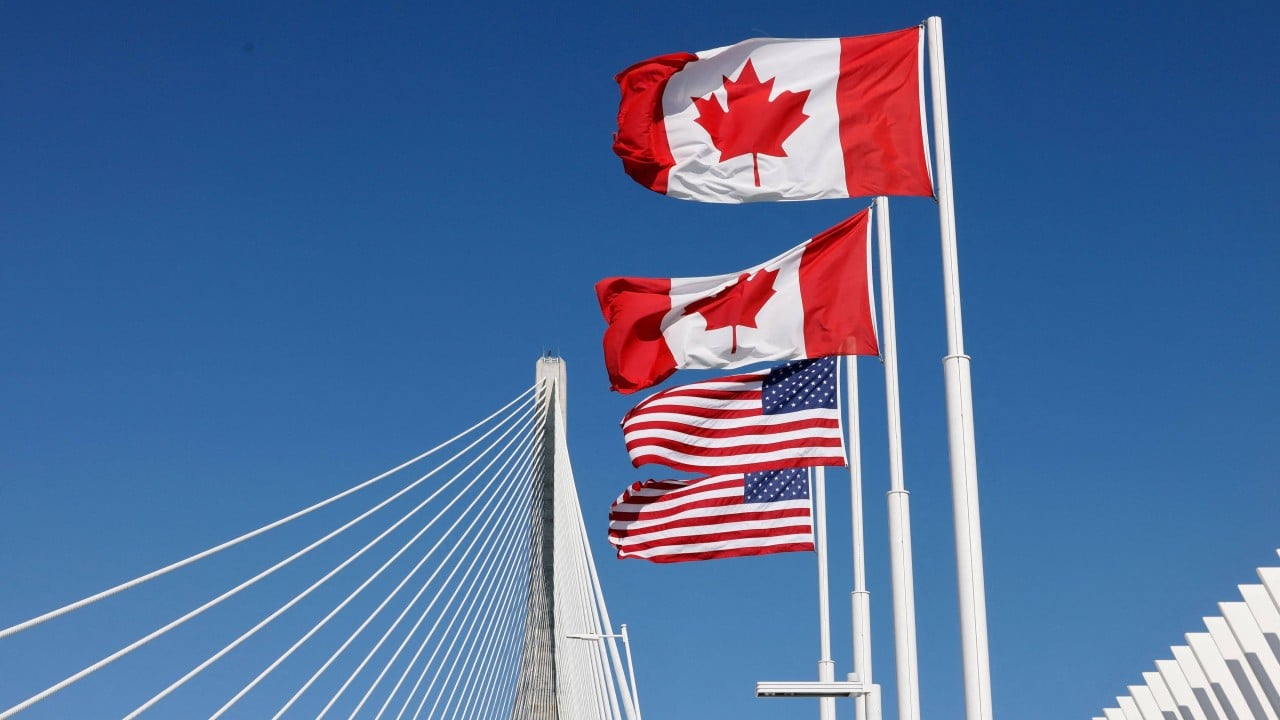
Macroeconomic friction between Washington and Ottawa has fundamentally altered the incentive structures of provincial politics, turning municipal and regional supply chains into primary battlegrounds. When external trade shocks intersect with domestic electoral cycles, incumbent administrations and opposition parties face a compressed optimization problem: shield domestic employment without triggering runaway cost-of-pushback inflation. The ongoing political contest in Quebec provides a stark case study in how protectionist policy proposals interact with regional economic exposure. Understanding this dynamic requires moving past campaign rhetoric to analyze the actual transmission mechanisms of tariffs, counter-tariffs, and state-directed procurement shifts.
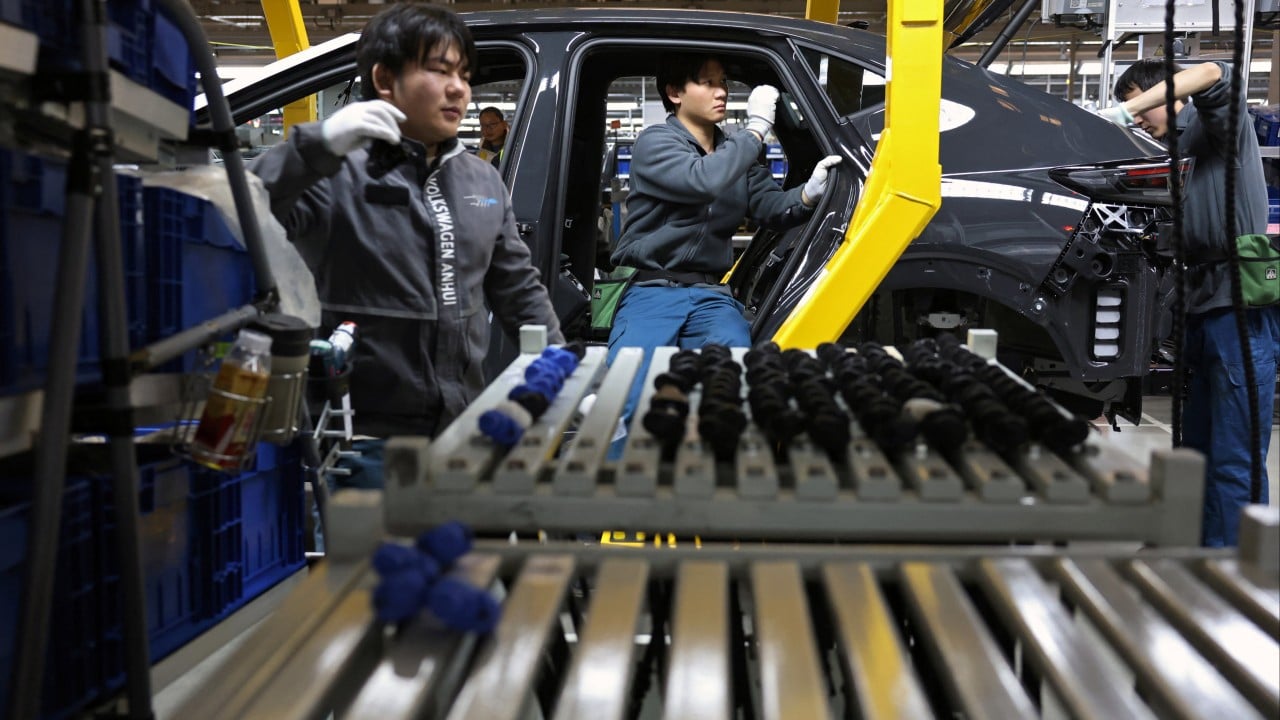
The immediate economic impact operates through cost-push vectors on both import-dependent manufacturing and consumer goods. Federal counter-tariffs, implemented on a dollar-for-dollar basis against American imports, introduce friction into regional supply chains that rely on cross-border intermediate inputs. When tariffs range from 15 to 50 percent on products spanning metals, specialized chemicals, and components, firms face an immediate margin compression.
Producers caught in this structural squeeze respond through three distinct behaviors:
- Absorbing the cost penalty internally, which degrades corporate investment capacity and depresses equity values.
- Passing the cost increment down the supply chain, generating a localized inflationary impulse that erodes real household purchasing power.
- Reconfiguring supply networks to source inputs domestically or from third-party jurisdictions, incurring high transition and verification costs.
The incumbent Coalition Avenir Québec administration attempted to insulate local firms through state intervention, notably by recalibrating public procurement guidelines. By adjusting tender requirements to preference provincial and Canadian vendors and restricting certain U.S. entities from bidding on provincial contracts, the government aimed to redirect capital flows inward. Quantitative projections from the administration suggest these procurement adjustments target approximately $1.5 billion in upcoming public contracts over a four-month horizon.
However, this inward pivot contains structural limitations. American firms historically account for a minor percentage of direct public contract bidders in the province, usually hovering below 10 percent. Consequently, excluding them does not radically expand the addressable market for local enterprises in the short term. Furthermore, public procurement preferences risk reducing competitive tension in state-backed bidding processes, potentially inflating project execution costs for provincial infrastructure over multi-year periods.
Opposition parties have targeted the vulnerability of these defensive measures, pointing to systemic friction between federal and provincial jurisdictions. The Parti Québécois critique centers on the absence of substantive provincial consultation during the formulation of federal counter-tariffs, arguing that broad-brush retaliation exposes regional industries to asymmetrical damage. From an analytical perspective, federal trade policy is optimized for aggregate national leverage against the United States, whereas provincial economies experience trade shocks unevenly based on export orientation and sector concentration. This structural misalignment means a federal counter-tariff strategy designed to maximize political pressure in Washington can simultaneously impose disproportionate input costs on Quebec manufacturing clusters.
Concurrently, the Liberal opposition has framed the incumbent's localized policy adjustments as reactive theater rather than structural preparation, noting that alternative market diversification strategies were left underdeveloped during previous legislative sessions. Beyond political maneuvering, the practical consequence is an acute governance challenge: managing a province-wide economic transition while navigating the uncertainty of secondary U.S. retaliatory threats, such as potential blockades on regional aerospace and industrial exports.
Navigating this compressed trade environment requires moving beyond broad protectionist appeals toward precise supply-chain risk mitigation. Provincial economic strategy must focus on targeted export-market diversification credits rather than blanket buy-local campaigns, allowing firms to offset the fixed costs of breaking into non-U.S. international markets. Policymakers should establish transparent, data-driven adjustment funds that directly subsidize the re-engineering of supply chains for small and medium enterprises caught between U.S. tariffs and federal counter-tariffs, avoiding the inefficiencies of generalized administrative freezes.
Quebec Premier ERUPTS Over Trump's 50% Tariffs | WORLD NEWS
This video provides primary footage of the political and economic friction surrounding Quebec's trade exposure and leadership responses to shifting U.S. tariff policies.