Sarah bought the bag of spring mix because she wanted to feel good.
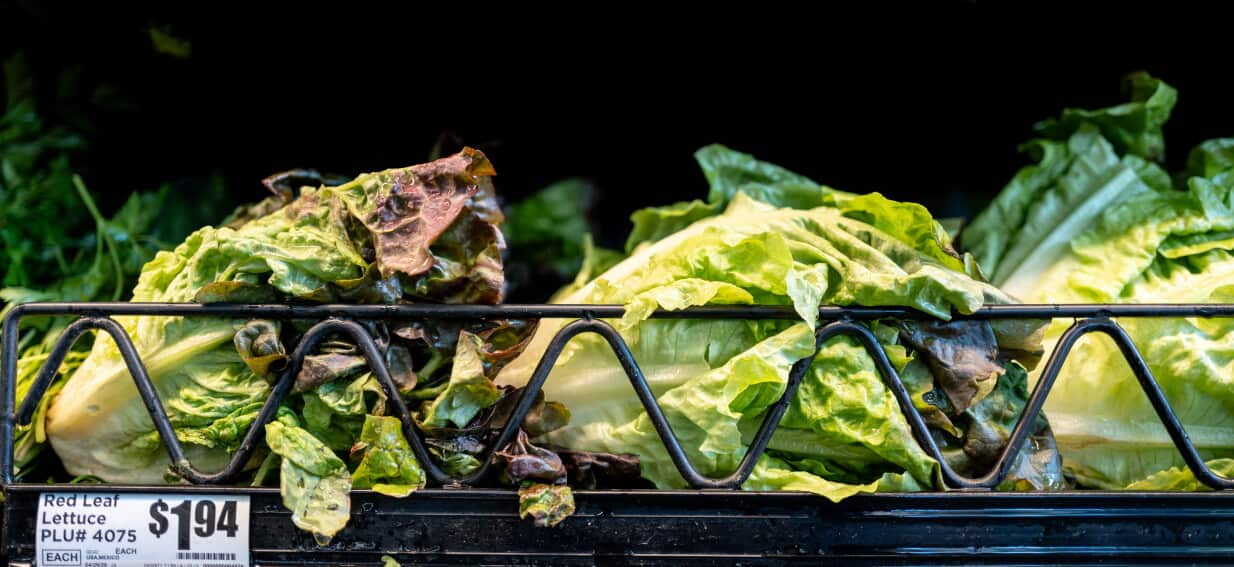
It was a Tuesday evening in late June, the air thick with the promise of summer. She had just finished a run. The plastic tub of greens looked crisp, clean, and profoundly healthy under the harsh fluorescent lights of her local grocery store. "Triple Washed," the label promised in a reassuring green font. She tossed it into her cart, alongside a pint of fresh raspberries and a bunch of cilantro. She was doing everything right.
Six days later, Sarah felt like she was dying from the inside out.
It started not with a dramatic cramp, but with a strange, hollow fatigue. Then came the bloating. By midnight, she was trapped in her bathroom, gripped by a relentless, explosive sickness that felt less like a standard stomach flu and more like a biological eviction notice. Every sip of water she took ran straight through her. Days bled into a week. She lost eight pounds. Her doctor suggested fluids and rest, assuming it was a common norovirus.
But norovirus usually packs its bags after forty-eight hours. Sarah’s tormentor was just getting started.
What Sarah did not know—and what thousands of Americans discover the hard way every summer—is that her healthy dinner had been hijacked by a microscopic, single-celled hitchhiker. It is a parasite called Cyclospora cayetanensis. It does not care about triple-washing. It laughs at cold water. And it is turning the simple act of eating a salad into a high-stakes gamble.
The Perfect Invader
To understand why this tiny organism is causing such havoc across the United States, we have to look at how it operates. Cyclospora is a protozoan parasite. It is not a bacteria like E. coli or Salmonella, which means the standard rules of food safety do not always apply.
When a person or an animal infected with Cyclospora sheds the parasite, it exits the body in a dormant state known as an oocyst. At this stage, it is actually non-infectious. If you were to swallow it immediately, nothing would happen. It requires time—usually days or even weeks in the right environmental conditions of warmth and moisture—to "sporulate," or become active.
This delay is the parasite's greatest evolutionary trick.
Because it takes time to mature, the contamination rarely happens in the kitchen of the restaurant where you ate. It happens weeks earlier, miles away, in the soil or the irrigation water of a farm. By the time the salad reaches your plate, the parasite is fully armed and waiting.
Once inside your small intestine, the active parasite penetrates the mucosal cells lining your gut. There, it begins to reproduce asexually, tearing apart the very machinery your body uses to absorb nutrients and water. The result is a prolonged, relapsing diarrheal illness that can drag on for months if left untreated.
It is a physical insult. It is exhausting.
Consider the sheer scale of the issue. The Centers for Disease Control and Prevention tracks these outbreaks every year, usually starting in May and stretching into September. Thousands of laboratory-confirmed cases pop up across dozens of states. But epidemiologists know the official numbers are just the tip of a very large, very damp iceberg. For every person who goes to the doctor, gets the correct test, and is reported to the state, there are likely dozens more suffering in silence, assuming they just ate a bad taco.
The Illusion of Cleanliness
We have built a modern food system around the illusion of absolute purity. We walk into supermarkets where misting machines spray gentle clouds of water over pristine mounds of kale. We buy pre-washed, pre-cut vegetables sealed in nitrogen-flushed plastic bags designed to keep them green and crisp for weeks.
We trust the process. We assume that "triple-washed" means sterile.
But water is both a cleaner and a carrier.
If irrigation water on a farm is contaminated with human feces containing Cyclospora, the parasite clings to the rough, microscopic crevices of leafy greens, cilantro, and the bumpy skin of raspberries. Once it grips the plant, no amount of home rinsing will dislodge it. In fact, washing contaminated cilantro in a home sink can sometimes just spread the parasite to your cutting board and knives.
This is the hard truth that public health officials are often hesitant to shout from the rooftops: you cannot wash this off.
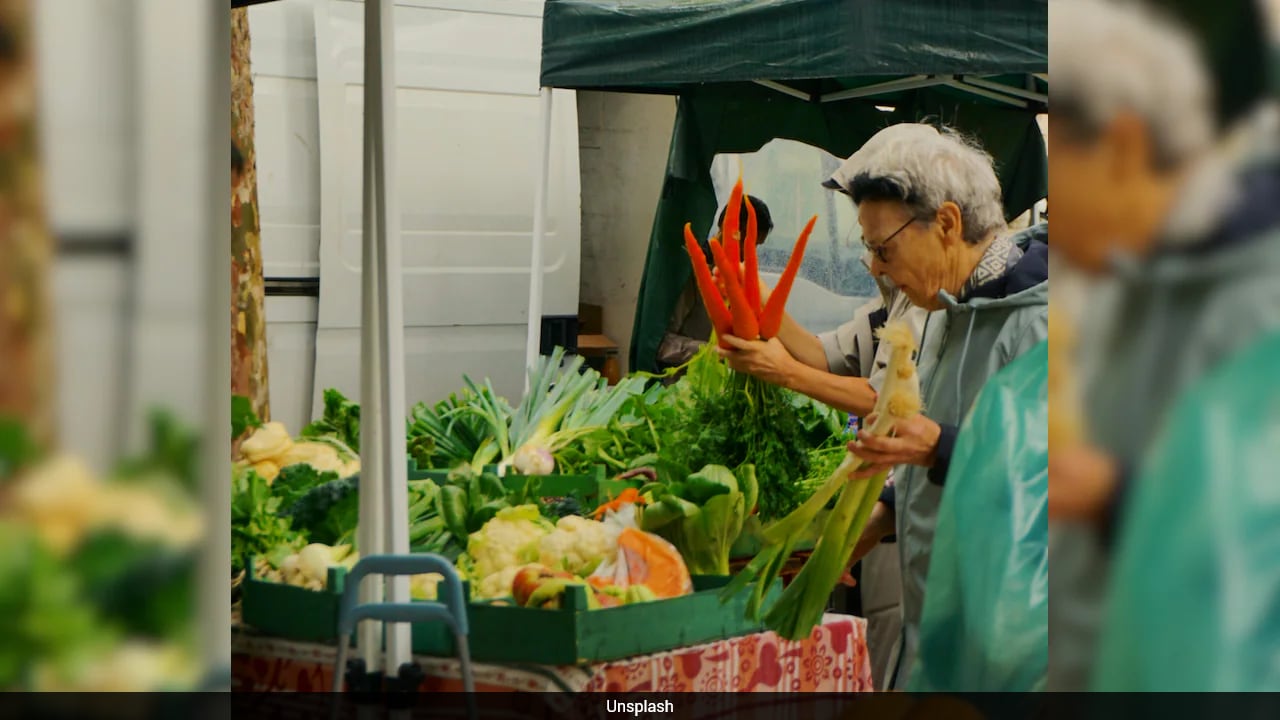
Our global food supply chain is a marvel of human engineering. We can eat fresh blackberries in Chicago in the dead of January, and fresh cilantro in Boston during a blizzard. But this interconnectedness is a double-edged sword. A single contaminated water source in a valley halfway across the continent can distribute a pathogen to thousands of salad bowls in thirty different states within a week. By the time the first cases are reported to local health departments, the contaminated batch of lettuce has already been eaten, digested, and discarded. The evidence has literally washed down the drain.
The Diagnostic Dead End
When Sarah finally dragged herself back to the clinic after ten days of relentless sickness, she was dehydrated and desperate. Her doctor ordered a standard stool culture.
The results came back negative. No Salmonella. No Shigella. No Campylobacter.
"It’s likely just a stubborn viral gastroenteritis," the doctor told her, prescribing rest and electrolyte drinks.
This is where the tragedy of Cyclospora peaks. Standard stool tests—the ones most clinics run automatically when you complain of food poisoning—do not look for parasites. They look for bacteria. To find Cyclospora, a laboratory technician must perform a specific ova and parasite (O&P) exam using special staining techniques, or run a highly sensitive molecular PCR test that specifically targets the parasite's DNA.
If your doctor doesn't ask the right question, the lab won't give the right answer.
Meanwhile, the patient continues to suffer. The illness behaves like a roller coaster. You feel terrible for four days, then you experience a brief window of hope where the symptoms seem to subside. You think you are finally over the hump. Then, the next morning, the cramps return with a vengeance. This relapsing cycle is a classic hallmark of the infection.
Because it is a parasite, standard antibiotics like penicillin or ciprofloxacin do nothing to stop it. The primary treatment is a specific combination drug: trimethoprim-sulfamethoxazole, commonly known by the brand names Bactrim or Septra.
If you have a sulfa allergy, the treatment options become even more complicated and less effective. For Sarah, getting the correct prescription felt like unlocking a secret code. Within forty-eight hours of taking the right medicine, the fog began to lift. The cramping subsided. For the first time in two weeks, she could walk to the kitchen without fear.
Redefining Our Relationship with Food
The solution to this annual summer surge isn't to stop eating vegetables. Leafy greens and fresh fruits are vital components of a healthy life. But we do need to shed our naivety about how our food is grown, harvested, and distributed.
We must recognize that our convenience-first approach to eating has hidden costs.
Agricultural water standards are the frontline of this battle. Regulatory agencies are constantly pushing for stricter testing of the water used to irrigate crops, but implementation is slow, and global supply chains involve farms operating under wildly different regulatory frameworks. When we buy imported herbs and berries, we are relying on the sanitation infrastructure of countries we may never visit.
So, what can we actually do to protect ourselves?
- Pay attention to advisories: When the FDA or CDC issues a warning about a specific brand of salad mix or a particular region producing cilantro, take it seriously. Throw the product away immediately.
- Cook when in doubt: Heat kills Cyclospora. If you are in the midst of a known regional outbreak and want to enjoy fresh herbs, consider cooking them into your dishes rather than eating them raw.
- Demand better testing: If you or a loved one experiences watery diarrhea that lasts for more than a week, specifically ask your healthcare provider to test for Cyclospora and other parasites. Do not accept a generic "stomach flu" diagnosis without a proper molecular screen.
Sarah still eats salads, but she doesn't look at them the same way anymore. She no longer buys the pre-bagged mixes that pool moisture at the bottom of the plastic. She buys whole heads of lettuce, peels away the outer leaves, and accepts that nature is inherently messy.
The next time you open a container of fresh berries or chop a bunch of cilantro, remember the invisible journey those plants took to reach your kitchen. Our food is alive, grown in the dirt, under the open sky, watered by rivers that flow through a complicated world. We are part of that ecosystem, whether we like it or not, and sometimes, the wild finds a way onto our plates.