The crisp snap of a baked wheat biscuit is a sound embedded in the morning routine of roughly a billion people. It is the soundtrack to roadside tea stalls in Mumbai, rushed breakfasts in Delhi, and quiet moments in small-town kitchens across India. It is a humble everyday ritual, costing mere pennies.
Yet, geopolitical shifts often happen in the most unexpected places. Nobody expected this specific, modest snack to find its way into the high-stakes theater of international diplomacy, bridging a gap between New Delhi and Rome.
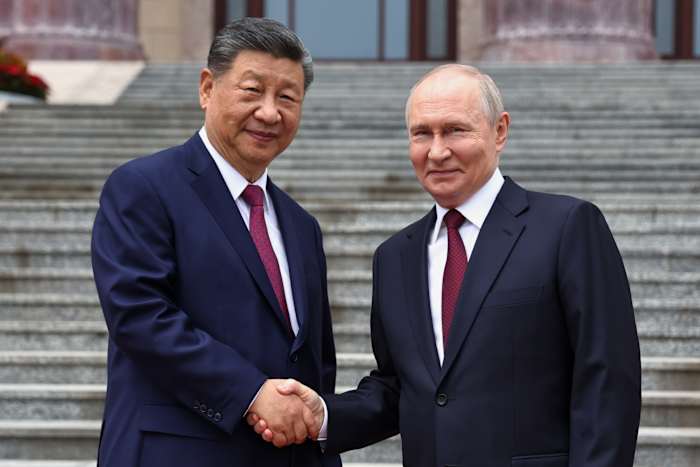
When leaders meet on the global stage, every movement is calculated. The handshakes are timed. The flags are measured. The gifts exchanged behind closed doors are usually predictable—handcrafted tapestries, rare silver, or custom fountain pens. They are items designed to sit in glass cases, admire from a distance, and ultimately gather dust.
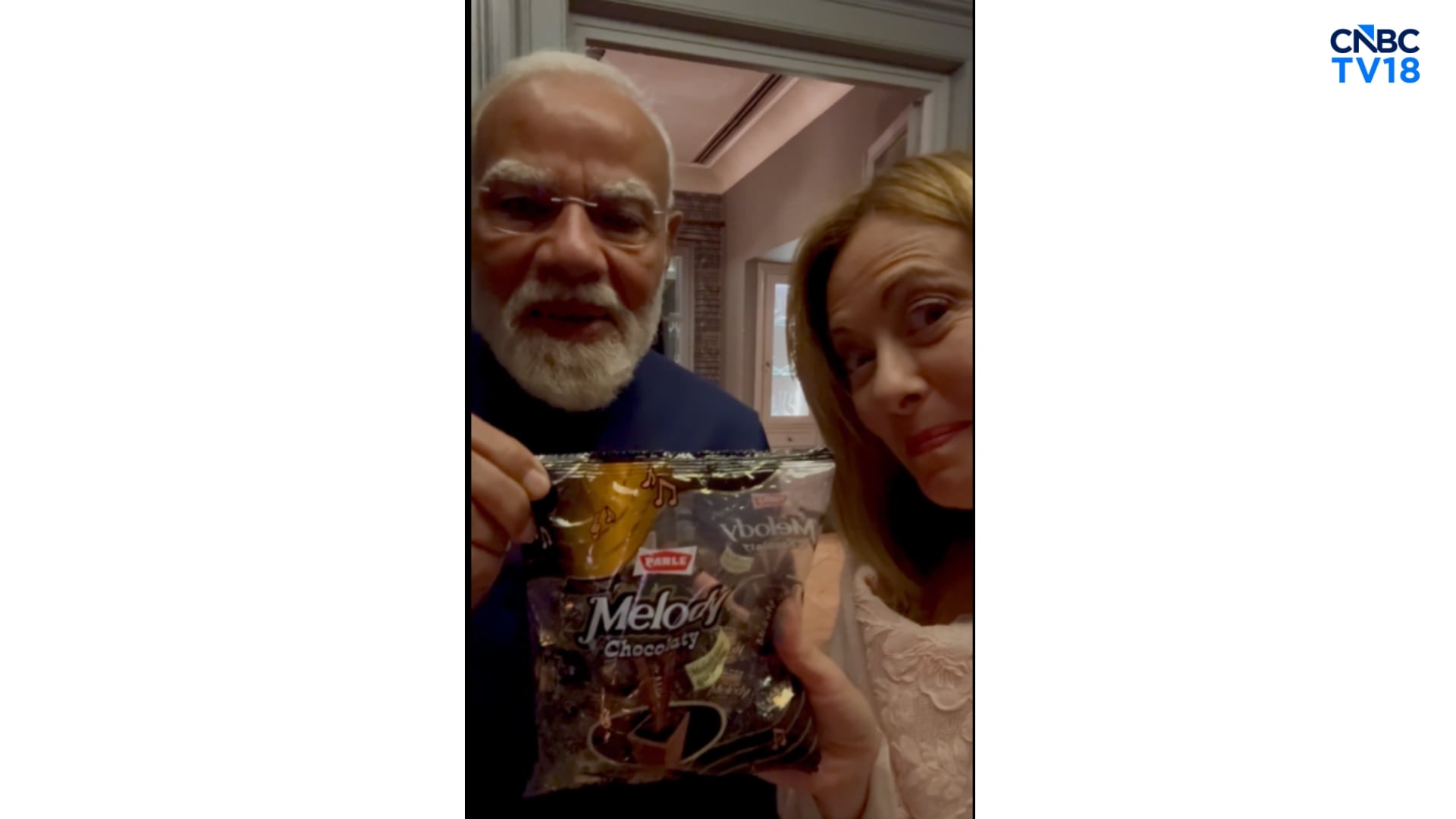
But during a high-profile summit, Indian Prime Minister Narendra Modi broke the mold. He handed Italian Prime Minister Giorgia Meloni a taste of ordinary Indian childhood. He gave her Parle-G.
The Weight of a Five-Rupee Pack
To understand why this matters, you have to look past the internet memes and the viral social media hashtags. The digital world quickly dubbed the political camaraderie between the two leaders as "Melodi," turning a serious diplomatic alignment into a pop-culture phenomenon. Parle Products, the quiet giant behind India's favorite biscuit, watched from the sidelines as their flagship product suddenly became the center of a geopolitical moment.
Consider the sheer scale of what Parle-G represents. This isn’t just a brand; it is an industrial marvel.
Every single second, thousands of people open a flat, white-and-yellow wrapper featuring the iconic illustration of a young girl. The company produces hundreds of millions of biscuits a day. It is a business built on micro-margins and unfathomable volume. When inflation drives up the cost of sugar, wheat, and palm oil, Parle doesn't raise the price of its most famous pack. Instead, they meticulously adjust the weight by a gram or two, keeping the entry price accessible to the poorest laborer.
It is a masterclass in survival and cultural penetration. Now, that same survival instinct is facing a completely different kind of frontier: Western Europe.
For decades, the Indian diaspora has carried these biscuits in their suitcases to London, New York, and Toronto. It was a cure for homesickness, a literal taste of the soil they left behind. But breaking into mainstream European markets—convincing a consumer in Milan or Rome to skip their traditional biscotti or frollini in favor of a rectangular glucose biscuit from Mumbai—is an entirely different challenge.
When Flavor Meets Foreign Policy
Diplomacy is rarely just about signed treaties and defense pacts. It operates heavily on soft power. Korea used K-pop and cinema to reshape its global identity. Japan used anime and culinary precision. India has long relied on yoga and Bollywood, but the quiet, comforting world of its packaged food industry is stepping up.
The gesture between Modi and Meloni did something that a multi-million-dollar advertising campaign could never achieve. It gave a mass-market product an aura of exclusivity and political significance. It associated a budget-friendly snack with mutual respect and international friendship.
Imagine a buyer for a major European supermarket chain sitting at their desk. For years, ethnic foods were relegated to a single, dusty aisle in the back of the store. But suddenly, the product is on the news. It is being discussed by heads of state. The psychological barrier to entry drops instantly.
This unexpected spotlight creates an massive opportunity for Parle's leadership. The European market is notoriously tough to crack due to stringent regulatory standards, deeply ingrained local tastes, and fierce loyalty to homegrown heritage brands. Italy, in particular, takes its baked goods with fierce, almost religious seriousness. To enter the land of espresso and artisanal pastries with a mass-produced glucose biscuit requires more than just a good supply chain. It requires a narrative.
The narrative has now been handed to them on a silver platter.
The Industrial Logic Behind the Sweetness
But sentimentality does not sustain a corporate balance sheet. The real magic happens when public relations success translates into industrial expansion.
Parle has spent years diversifying its portfolio, moving into premium cookies, snacks, and confectionery to combat the rising costs of raw ingredients. Yet, Parle-G remains the anchor. It is the volume driver that keeps the factories humming and the distribution networks efficient.
An endorsement at the highest level of government provides a unique leverage point for international distributors. It streamlines conversations with global retail conglomerates. It sparks curiosity among non-diaspora consumers who want to know what the fuss is about.
The strategy is clear: use the cultural moment to establish a beachhead in new territories, then introduce the wider, higher-margin product line. It is a classic Trojan horse maneuver, executed with sugar, wheat, and a touch of political theater.
The Lingering Aftertaste of a Gesture
The hype of the summit will eventually fade. The internet will find a new meme, and the news cycle will move on to the next crisis or political alignment.
But inside the boardrooms of Mumbai and the retail aisles of Europe, the trajectory has subtly shifted. A humble biscuit, born in a small factory in Vile Parle back in 1939 during the height of India's independence movement, has completed a journey no one could have predicted. It began as an affordable, homegrown alternative to British imports, meant to feed the masses. Decades later, it is being offered as a premium gesture of goodwill to a European leader.
The true success of this moment isn't found in a spike in a weekly sales chart. It is found in the slow, quiet normalization of Indian consumer brands on the global stage. It proves that the distance between a chaotic Indian roadside tea stall and a pristine diplomatic office in Rome is much shorter than we think. All it takes is a little bit of sweetness to bridge the divide.