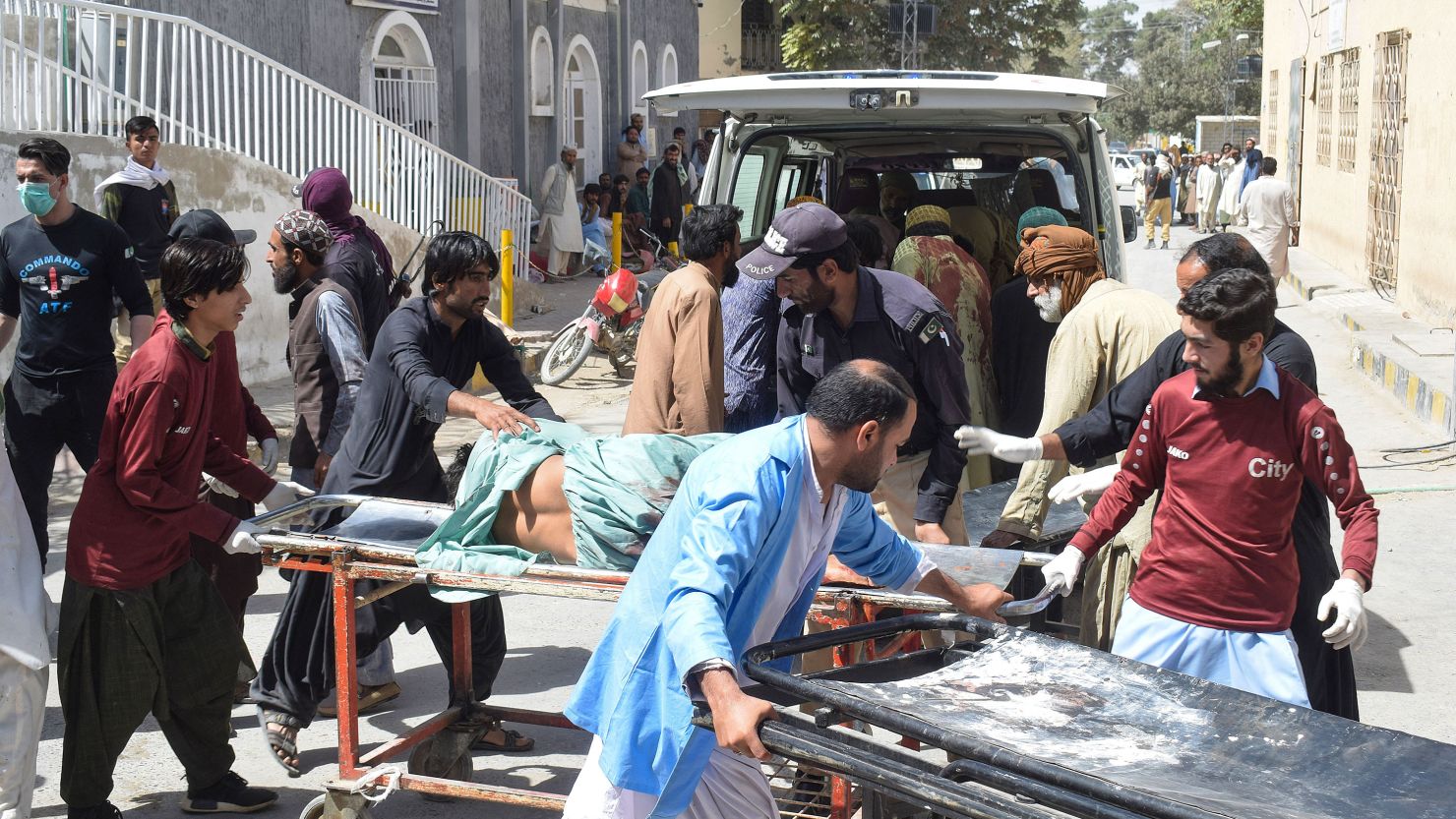
The concept of the protected non-combatant is dissolving in real time. For nearly a century, the Red Cross emblem and the white coat of the physician served as a functional shield in global conflicts, respected not out of kindness, but out of a shared strategic understanding that a society without a functioning medical core cannot recover. In Gaza, that shield has been systematically dismantled. The destruction of the healthcare system is not a secondary effect of urban warfare. It is a specific objective achieved through a combination of precision intelligence, autonomous targeting systems, and a radical reinterpretation of international law.
Since the onset of the current hostilities, hundreds of healthcare workers have been killed. Hospitals have been turned into battlefields. Ambulances have been intercepted or struck while on active rescue missions. To understand how we reached a point where a surgeon is viewed as a legitimate target, we have to look past the immediate carnage and examine the machinery of modern warfare that justifies these strikes. This is a story of how "deconfliction" failed and how the definition of "human shield" was expanded until it covered every square inch of a hospital ward. For another look, read: this related article.
The Failure of Deconfliction and the Death of the Safe Zone
Military forces and humanitarian organizations use a process called deconfliction to prevent accidental strikes. Groups like Doctors Without Borders (MSF) and the Palestinian Red Crescent Society (PRCS) share their GPS coordinates with the Israeli military. This is supposed to ensure that even in the heat of a kinetic environment, these locations remain off-limits. However, the data shows a different reality. Coordinates shared through official channels have repeatedly become the site of direct strikes.
This failure suggests one of two things. Either the deconfliction system is technically broken, or the information provided by humanitarian groups is being used to verify the location of targets rather than avoid them. When a marked ambulance is hit on a known evacuation route, the "fog of war" excuse loses its potency. Modern munitions are too precise for this many "accidents" to occur in such a concentrated timeframe. Related analysis on this matter has been published by NBC News.
The Israeli military justifies these strikes by claiming that medical facilities serve as command centers. While international law allows a hospital to lose its protected status if it is used for "acts harmful to the enemy," the burden of proof is high. The response must be proportionate. Blowing up an entire wing of a hospital to neutralize a single combatant is a clear violation of that proportionality. Yet, the threshold for what constitutes a "harmful act" has been lowered to include the presence of any individual associated with the political wing of the ruling government, even if they are seeking medical care.
Artificial Intelligence and the Logic of the Target List
The speed of the current campaign is driven by AI-assisted targeting systems. These platforms, reportedly used to identify thousands of potential targets, rely on data points that often lack human nuance. If a paramedic’s phone is detected near a known militant, the system may flag the paramedic as a "link." In the logic of a machine, the distinction between a doctor treating a patient and a collaborator supporting a fighter becomes dangerously thin.
These automated lists create a self-fulfilling prophecy. A doctor who works at a government-run hospital is technically a government employee. Under a broad interpretation of "enemy infrastructure," that doctor becomes part of the support network. When you automate this logic, you get a target list that grows faster than any human commander could possibly vet. The result is a relentless pace of strikes that treats the medical community not as a neutral party, but as a biological asset of the enemy’s logistics chain.
The psychological impact of this targeting is calculated. When a community sees that even the people meant to save them are not safe, the social fabric begins to unravel. It is a form of warfare that targets the collective will to survive. By removing the healers, you ensure that every injury is a potential death sentence, and every sickness becomes a crisis.
The Siege of the Emergency Room
Hospitals in Gaza, such as Al-Shifa and Nasser, have undergone transitions from medical sanctuaries to military zones. The strategy often involves a multi-stage approach. First comes the cutting of utilities—electricity, water, and fuel. A hospital without power is just a building full of dying people. Ventilators stop. Incubators go cold. Dialysis machines fail.
Then comes the physical encirclement. Snipers and drones monitor the perimeter, firing on anything that moves in the courtyard. This "micro-siege" prevents the entry of supplies and the exit of the wounded. By the time ground troops enter the facility, the medical staff is already broken by exhaustion and the trauma of watching patients die from preventable complications.
The subsequent "clearing" operations often involve the detention of medical staff. Reports from released doctors describe harrowing conditions, including blindfolding, interrogation, and physical abuse. The goal of these detentions is rarely the acquisition of tactical intelligence. Instead, it serves to remove high-value individuals from the community. A neurosurgeon takes decades to train. When you imprison or kill that surgeon, you have effectively neutralized a critical piece of social infrastructure for a generation.
The Semantic Erasure of the Medic
Language is the first thing that dies in these conflicts. The Israeli military frequently uses terms like "operational center" or "terrorist hub" to describe medical clinics. By changing the name of the location, they change the legal rules governing its destruction. If you call a clinic a "command post," you can drop a 2,000-pound bomb on it without the same level of international scrutiny that would follow the bombing of a pediatric ward.
This semantic shift extends to the individuals themselves. A "first responder" becomes a "collaborator." A "nurse" becomes a "facilitator." Once these labels are applied, the moral and legal barriers to killing them evaporate. This isn't just about Gaza. This is a blueprint for future conflicts where any civilian service can be reclassified as a military asset to justify its elimination.
The international community’s response has been largely rhetorical. While various UN bodies and human rights organizations have documented these incidents, there has been no meaningful enforcement of the Geneva Conventions. This lack of accountability creates a dangerous precedent. It tells every military force in the world that the "protected" status of medical workers is now optional. It suggests that if you are powerful enough, you can rewrite the laws of war in the middle of a battle.
The Long-Term Impact of Medical Decimation
The destruction of the healthcare system creates a vacuum that will last for decades. Beyond the immediate deaths caused by trauma, there is the slow death of the chronic patient. Cancer patients have no chemotherapy. Diabetics have no insulin. Pregnant women are forced to undergo C-sections without anesthesia.
This is the "how" of the strategy. It is not just about the person in the crosshairs today. It is about making the environment so hostile to life that the population is forced to flee or face total collapse. The medical professional is the last line of defense against that collapse. By targeting them, the military is targeting the very possibility of a future for the people of Gaza.
We are witnessing the birth of a new doctrine where the hospital is no longer a sanctuary, but a vulnerability. It is a world where the white coat offers no protection from the drone, and the Red Crescent is just another coordinate in a targeting database. If the international community does not act to restore the sanctity of medical neutrality, the next war will be even more brutal. The rules are being rewritten in blood, and the healers are the ones paying the price.
Take a hard look at the map of destroyed clinics. Those aren't just buildings. They are the graves of the idea that humanity has a limit even in war.
Stop looking for the accident in the rubble. It was never an accident.
Support the organizations that are still on the ground, but don't expect them to be safe. No one is safe anymore.
The only way to reverse this is a total, enforceable ban on targeting medical personnel, regardless of the alleged presence of combatants. Anything less is just a polite way of saying the Geneva Conventions are dead.