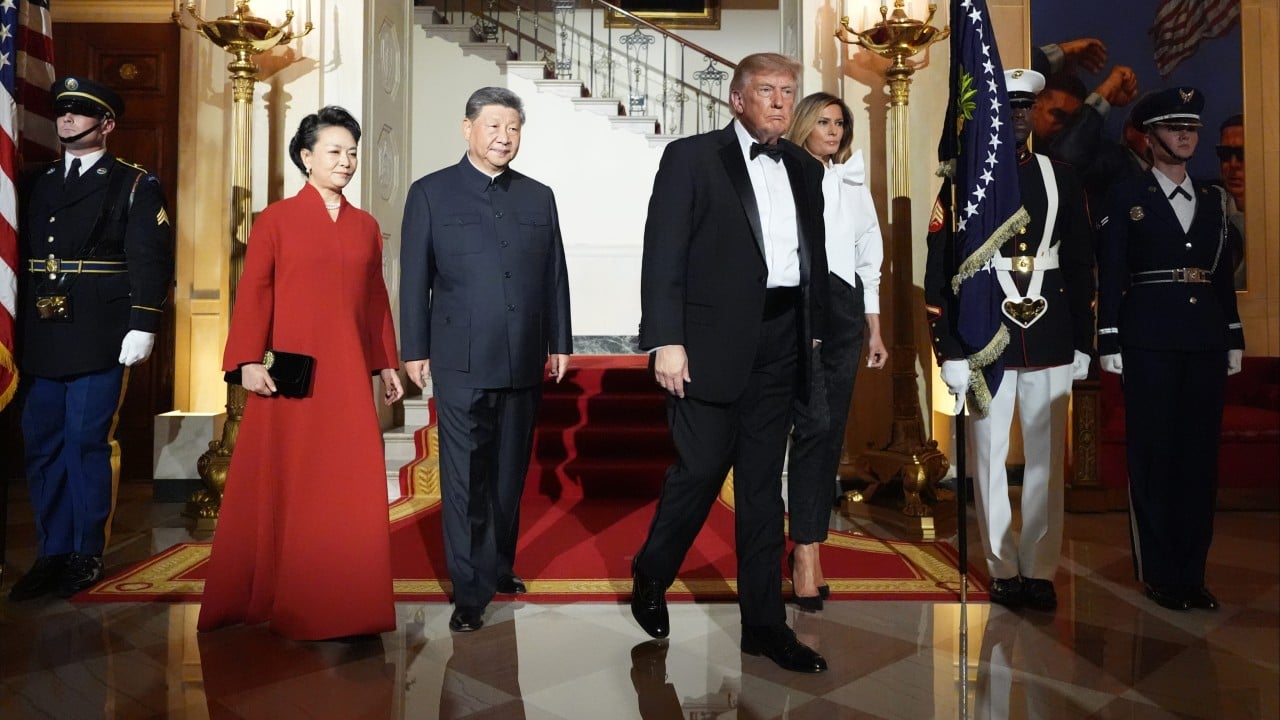
Statecraft rarely happens under the glare of press conferences. More often, it occurs across starched white tablecloths, silverware clinking against fine china, while diplomats and heads of state negotiate the fate of global supply chains over courses of braised short ribs and vintage cabernet. When world leaders sit down for formal dinners, culinary diplomacy is never just about hospitality. It is a calculated exercise in psychological positioning.
Gastrodiplomacy operates on an ancient principle. Breaking bread disarms opponents, softens hardened stances, and provides an informal buffer zone when formal talks stall. Yet, when leaders with conflicting economic visions and fundamentally opposed geopolitical strategies meet, the menu becomes a high-stakes chessboard. Every ingredient carries symbolism. Every seating arrangement signals hierarchy.
The Mechanics of Soft Power at the White House
Consider how executive dinners are constructed. White House protocol officers coordinate closely with the State Department and the National Security Council to ensure that a state banquet does not inadvertently trigger a diplomatic incident. Dietary restrictions must be navigated alongside national sensitivities. If a visiting delegation comes from a nation with significant agricultural trade disputes, serving domestic beef or specialized grain products from contested states becomes a silent statement of economic leverage.
The strategy extends far beyond the kitchen. The timing of a toast, the specific vintage poured into crystal glasses, and even the pacing of the meal serve distinct political functions. A protracted first course gives handlers time to gauge body language away from the cameras. A swift final dessert course signals urgency, indicating that substantive closed-door negotiations must resume immediately.
For administrations managing turbulent bilateral ties—such as those between Washington and Beijing—every detail is scrutinized by foreign intelligence analysts and domestic media alike. When high-profile summits occur, the optics of the dining room often outweigh the communiqués issued afterward. The public sees shared smiles and relaxed postures; the markets read those signals to gauge whether trade tariffs will escalate or de-escalate.
Beyond the Plate
Critics often dismiss these events as expensive theater. That perspective misses the operational reality of modern diplomacy. Bureaucrats and trade representatives can argue over intellectual property theft, semiconductor export controls, and currency manipulation for months without yielding an inch. Leaders, however, occasionally require a humanizing environment to make the concessions necessary for a breakthrough.
When President Xi Jinping and Donald Trump engaged in high-level talks, the backdrop of the executive mansion served as a stage for both deterrence and accommodation. The underlying tension never vanished simply because the dessert was served. Instead, the meal provided a controlled environment where mutual vulnerabilities could be tested without public posturing.
This is the hidden architecture of international relations. Power is asserted not just through aircraft carriers and interest rate hikes, but through the deliberate choreography of state hospitality. The fork and the knife remain enduring tools of statecraft, wielded by veterans who know that an adversary is sometimes easier to manage after a good meal.