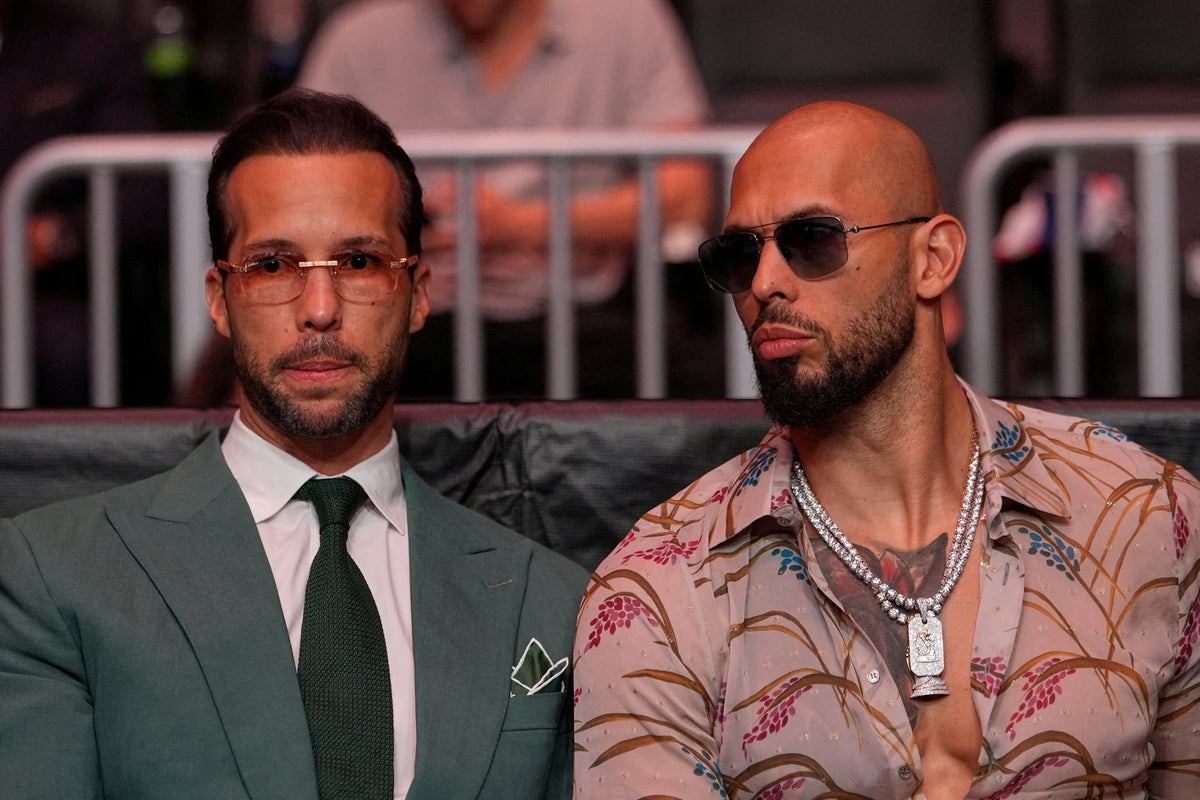
Social media influencers Andrew and Tristan Tate must remain behind bars at the Federal Detention Center in Miami after a federal judge denied their bond request while they contest an extradition to the United Kingdom. U.S. Magistrate Judge Lauren Louis ruled that the brothers represent a clear flight risk and a potential danger to the community, effectively slamming the door on their temporary freedom. This decision solidifies a prolonged legal purgatory for the dual U.S.-British citizens, who now face a tangled web of international accusations spanning multiple jurisdictions, contrasting judicial standards, and aggressive cross-border prosecutorial strategies.
The courtroom drama unfolding in South Florida is not merely a celebrity spectacle. It is a stress test for modern international extradition mechanics. When U.S. Marshals seized the brothers on July 18, 2026, on a British warrant, it triggered a high-stakes legal collision. The Crown Prosecution Service piled on an array of fresh charges involving historical allegations from 2010 to 2017, bringing the total count to nearly sixty separate offenses, including rape, human trafficking, and assault.
Defense strategies relied heavily on an unusual defense: the unvarnished admission that their infamous online personas are theatrical exaggerations. Testifying in late August, the brothers attempted to separate their digital performance art from reality. Tristan Tate explicitly compared their internet antics to Sacha Baron Cohen portraying Borat, arguing that outrageous boasts about multi-million-dollar lifestyles and absolute male dominance were calculated tools designed strictly to maximize algorithmic reach and audience capture.
Judge Louis remained entirely unimpressed by the performance argument. In her thirty-page written ruling, she dismantled the defense narrative by pointing directly to the core realities of international jurisprudence. Extradition law favors detention when a respondent possesses the resources, international contacts, and multi-national citizenship required to vanish across borders. The defense argued that the brothers' immense public visibility makes secret travel impossible. The court countered that high visibility matters very little when global private aviation and cross-border wealth offer alternate pathways out of a jurisdiction.
The Cross-Border Legal Squeeze
Jurisdictional friction defines this entire proceeding. The Tates have spent years maneuvering through a complex investigative maze in Romania, where separate criminal cases have steadily progressed. Romanian authorities permitted the brothers to remain relatively unrestrained under judicial supervision while those domestic matters moved forward, allowing them the operational freedom to relocate to the United States.
The British extradition request upended that fragile equilibrium. Defense counsel Joseph McBride hammered the inherent contradiction of the current custody arrangement. The Tates find themselves locked in a Miami cage on a foreign accusation while simultaneously trying to manage active legal deadlines, approaching indictments, and defense preparations thousands of miles away in Eastern Europe.
"Two American citizens, on American soil, ordered to prove a negative against a case that does not yet exist on paper," McBride stated publicly following the ruling, pointing to the looming September deadline for Britain to submit its comprehensive evidentiary files to the State Department.
Under standard international extradition agreements, the requested state operates as a holding environment rather than a venue to litigate foundational guilt or innocence. The U.S. court’s mandate is narrow. It must verify identity, double criminality, and the sufficiency of the foreign probable cause standard. Yet, the defense is forced to fight this holding pattern while the charging sovereign, the United Kingdom, enjoys an elongated runway to assemble its formal evidentiary packets.
The Weight of the Digital Empire
The prosecution's victory in denying bond relies heavily on the weaponization of the defendants' own media footprint. For years, the Tates built an empire on the monetization of controversy. They courted bans from major platforms like YouTube, TikTok, and Instagram by pushing boundaries on gender dynamics and power structures. When those same digital archives are introduced into a federal courtroom by prosecutors brandishing video clips of Andrew Tate casually discussing physical dominance and coercion, the performance art defense fractures under scrutiny.
Courts are increasingly unsympathetic when defendants try to disown their public archives the moment criminal exposure materializes. If an influencer spends a decade convincing millions of young men that rules do not apply to the powerful, convincing a federal magistrate that they are docile law-abiding citizens requires a monumental evidentiary shift that the defense simply failed to deliver.
The technicality of the detention hearing masks a deeper reality about modern accountability for online actors. Digital empires built on shock value create permanent digital footprints that follow their creators into physical courtrooms around the globe. Prosecutors do not need to hire private investigators to uncover damaging statements; they merely need to press play on public archives that have already generated billions of views.
The Path to the Secretary's Desk
The timeline moving forward leaves very little room for maneuver. Britain faces a strict deadline to deliver its substantive evidentiary support to the State Department. Once those documents clear the executive branch review, the final decision to surrender the brothers rests entirely within the political discretion of the Secretary of State.
Judicial review in extradition cases rarely grants relief to high-profile respondents with dual citizenship and documented international ties. The Miami federal court has spoken, establishing that wealth and global mobility translate directly into flight risk parameters under American law.
The brothers remain confined to federal quarters while their legal teams weigh potential appellate paths and prepare for a marathon defense across two continents. The algorithmic bravado that built their global brand has crashed against the unyielding machinery of international criminal extradition, leaving them locked behind steel doors while foreign prosecutors compile their case piece by piece.