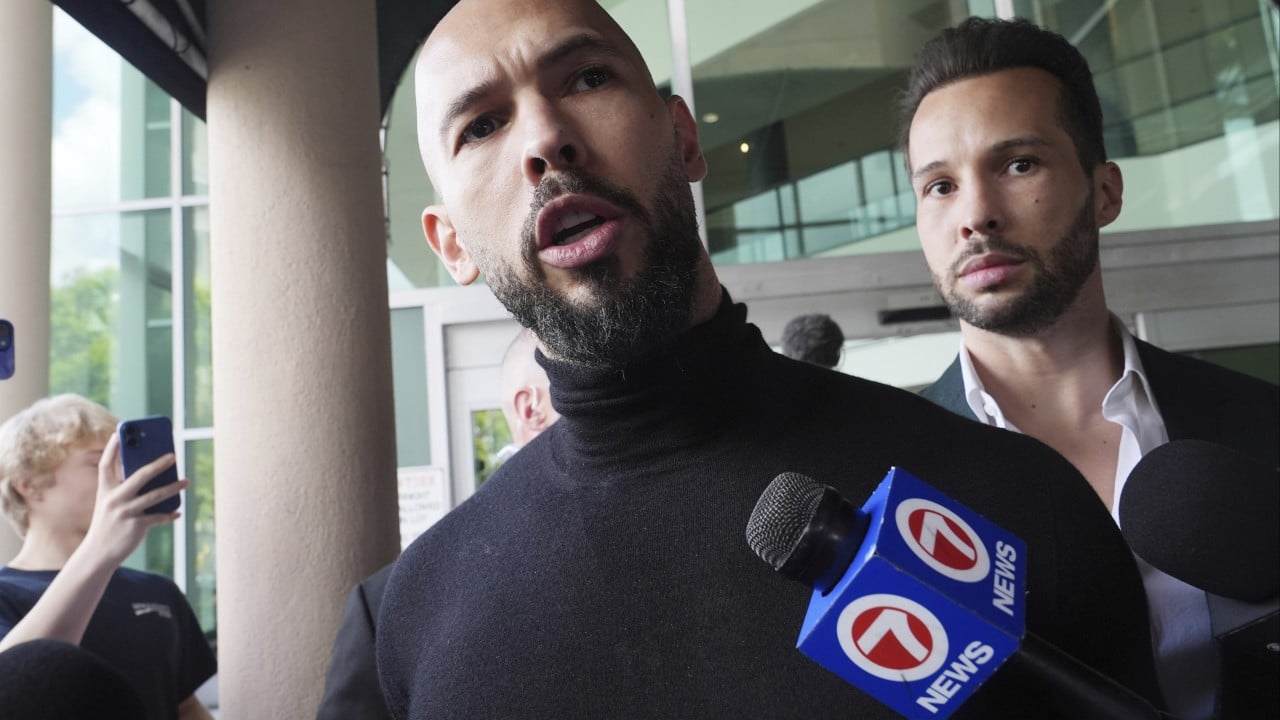
The mainstream legal commentary surrounding Andrew and Tristan Tate is missing the forest for the trees. Headlines scream about denied bail, internet personas, and dramatic courtroom testimony, as if an international extradition battle hinges on whether a defendant can compare themselves to Sacha Baron Cohen. It does not. U.S. Magistrate Judge Lauren Louis did not lock the cell doors in Miami because of misogynistic rants or flashy social media posts. She did it because international extradition law operates on a cold, unyielding mathematical equation of flight risk versus jurisdictional obligation, and the defense brought a knife to a drone fight.
Let us clear up the amateur legal analysis flooding the feeds. The lazy consensus argues that because the Tates possess high public visibility, they cannot possibly sneak out of the country. This logic is fundamentally broken. Visibility is not an anchor; it is merely a tracking device. In federal extradition jurisprudence, a high profile combined with liquid assets, international mobility history, and multi-country citizenship creates the exact profile of a textbook flight risk. Judge Louis explicitly noted that their capacity to flee remains exceptional, regardless of whether their online flexing of wealth is theatrical performance or reality. Discover more on a related issue: this related article.
The Performance Defense Trap
Imagine a scenario where a defendant spends a decade building a digital empire entirely centered on escaping ordinary societal constraints, crossing borders at will, and treating legal jurisdictions like casual travel options. Then, the moment a foreign warrant drops, that same defendant stands in a federal courtroom and insists, Trust us, we are hyper-local homebodies who would never dream of leaving.
The legal strategy deployed by the defense—arguing that their internet braggadocio was just a character, akin to a satirical movie act—was a desperate gamble that imploded on impact. Prosecutors presented the court with explicit audio and evidentiary records. More importantly, international extradition treaties do not care about method acting. Under U.S. extradition law, the presumption heavily favors detention. When facing coordinated multi-jurisdictional pressure from both British Crown prosecutors and Romanian authorities handling separate human trafficking and minor exploitation indictments, the structural gravity pulling toward a jail cell is immense. Additional analysis by Al Jazeera highlights comparable views on this issue.
To understand why bail was an absolute impossibility, look at the mechanics of extradition proceedings. The defense spent weeks complaining that they had to fight a case before Britain fully delivered its evidentiary package to the State Department. Welcome to global criminal procedure. Under standard treaty frameworks, provisional arrest comes first, followed by the formal evidentiary submission window—in this case, mid-September. Expecting a federal magistrate to grant pre-extradition release while an active deadline looms and foreign indictments pile up demonstrates a profound misunderstanding of how sovereign states cooperate to avoid becoming safe havens for transnational defendants.
Dismantling the Global Jurisdiction Shield
Critics often frame these legal battles as a clash of ideologies or free speech. That framing is a comforting illusion for internet commentators, but it is legally irrelevant. The United Kingdom is not pursuing the brothers over Twitter posts; they are prosecuting specific, severe allegations involving historical sexual offenses and assault spanning multiple years. Meanwhile, the Romanian Directorate for Investigating Organized Crime and Terrorism has formalized indictments encompassing human trafficking and witness tampering.
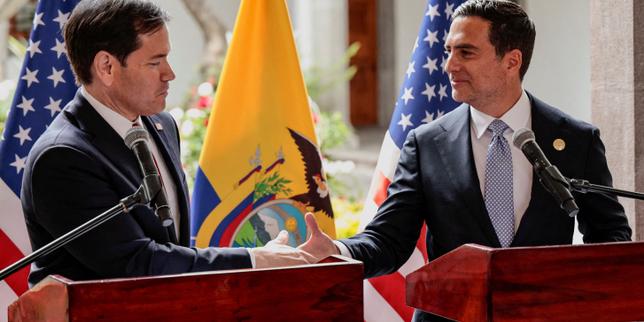
When multiple sovereign legal systems converge on individuals with dual citizenship and private travel logistics, the local court in Miami is not going to gamble on an honor system. The argument that confinement prevents them from mounting an adequate defense is standard operating procedure for every high-profile inmate in history. It is a hurdle, yes, but it is a legal hurdle fought through motions, not a ticket to freedom. Secretary of State Marco Rubio has already signaled that the executive branch views this through the lens of established treaty obligations rather than political intervention.
The system worked exactly as designed for high-stakes extradition defense. The illusion that internet notoriety provides a protective shield against traditional state power has officially dissolved.
Tate brothers denied bail as they fight extradition to UK
This news report covers the Miami federal court proceedings where the judge denied bail to the Tate brothers, detailing the arguments surrounding flight risk and international extradition.