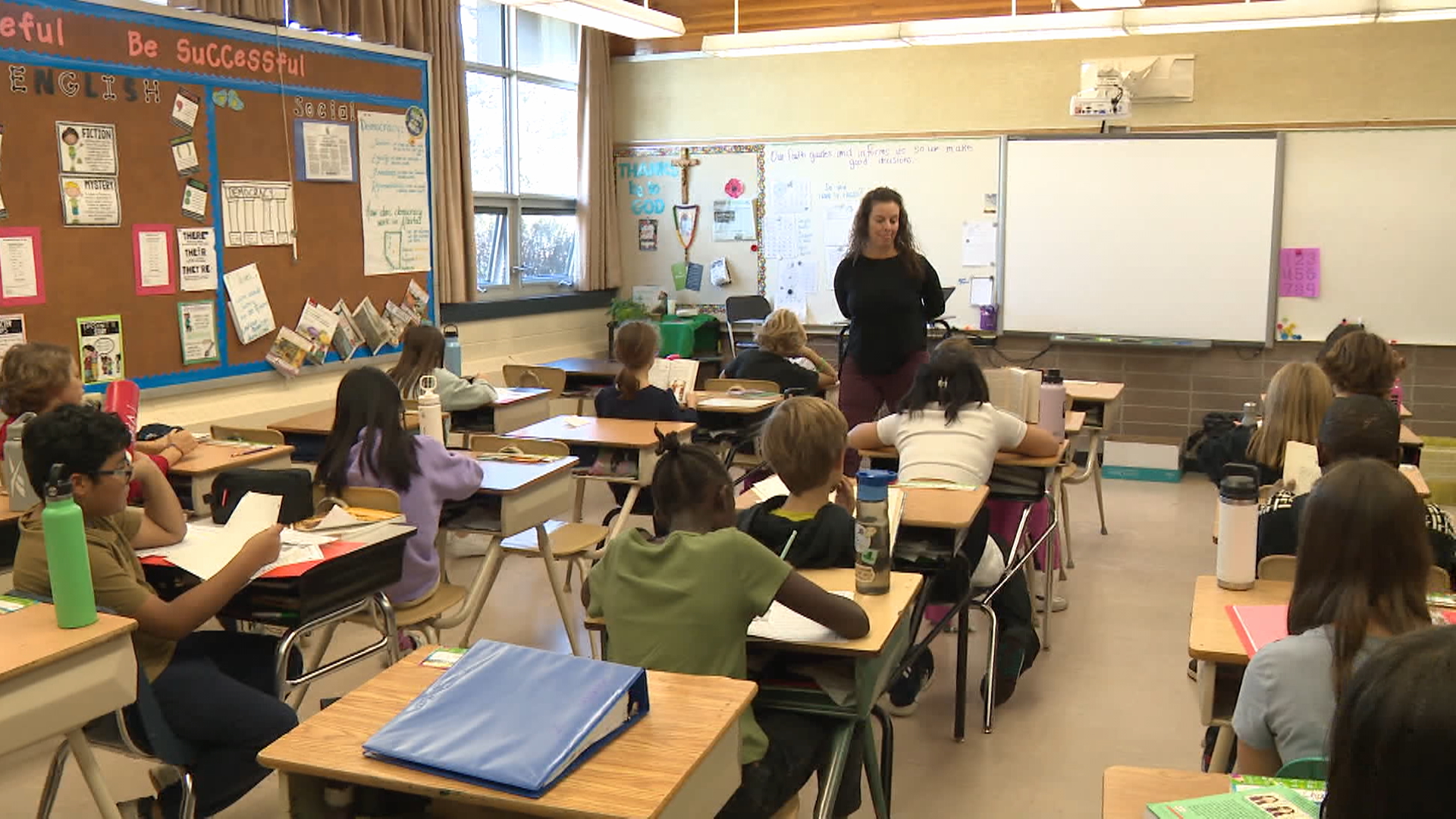
The Toronto District School Board (TDSB) just dropped a bombshell about its workforce, but the math doesn't seem to add up for anyone actually standing in a classroom. On the surface, the board says it's trimming 289 teaching positions for the 2026-2027 school year. That sounds like a manageable adjustment for a system that expects to see 5,000 fewer students. But if you talk to the unions or the parents watching their local schools crumble, the real number is 607.
That’s a massive gap. It's the difference between a "minor adjustment" and a systemic gutting of Toronto's public education.
You're likely wondering how two groups can look at the same budget and see two completely different realities. The board is leaning on a technicality—they didn't hire as many teachers as they were "authorized" to last year because enrolment was already dipping. So, in their eyes, they aren't "cutting" 600 people; they're just not filling seats that were already empty. But for the Elementary Teachers of Toronto (ETT) and the OSSTF, those 607 roles represent actual capacity, support, and specialized help that's now being permanently erased from the books.
The math behind the 607 positions
The board's plan, which leaked to the media this week, shows a loss of about five percent of the elementary workforce. That’s 484 jobs gone in the elementary panel alone. High schools aren't faring much better, with about 123 roles on the chopping block. When you dig into where these cuts are happening, it gets ugly.
- Classroom Teachers: Roughly 330 of the lost roles are the people actually teaching your kids math and literacy every day.
- Model Schools: This is the most heartbreaking part. The board is looking to axe 175 teachers who provide extra help in low-income neighborhoods. These are the "safety net" staff who help kids who are already struggling against the odds.
- ESL Support: About 95 teachers who help students learn English as a second language are being shown the door.
Honestly, it’s a disaster for equity. If you live in a wealthy neighborhood, you might just see your kid’s class get a bit more crowded. But if you’re in a "Model School" area or your child is still learning English, these cuts are a direct hit to the very programs that keep those students from falling through the cracks.
Why enrollment is dropping and why it matters
The TDSB keeps pointing to the "nearly 5,000 fewer students" figure as a justification. It's true—people are leaving Toronto. High housing costs and a lack of affordable family-sized apartments mean parents are moving to the suburbs or leaving the province entirely. But using a headcount to justify cutting specialized staff is a dangerous game.
Students today aren't the same as students five years ago. We’re seeing higher rates of behavioral issues, more complex learning needs, and a massive backlog in special education assessments. Even if there are fewer kids in the building, the kids who are there need more "caring adults," as OSSTF Toronto President Michelle Teixeira put it.
When you cut a teacher, you don't just lose a person at the front of the room. You lose the person who notices a kid hasn't eaten lunch. You lose the person who can pull a struggling reader aside for ten minutes of one-on-one time. You lose the safety of a smaller class where a teacher can actually manage the room without it devolving into chaos.
The provincial puppet strings
We can't talk about these cuts without talking about the provincial government. The TDSB is currently under the thumb of a provincially appointed supervisor, Rohit Gupta, and Education Minister Paul Calandra. The board’s trustees—the people you actually voted for—have been sidelined.
Critics say these cuts are being made in a black box. There’s been almost zero transparency for parents. Most moms and dads won't know their school is losing a teacher or an ESL specialist until the doors open in September and they realize the "support" they were promised isn't there.
Minister Calandra claims the board is just right-sizing. He says these aren't "classroom" cuts because many of these positions weren't filled last year. It’s a convenient talking point, but it ignores the fact that those positions should have been filled to lower class sizes and support vulnerable kids. Instead, the province is forcing the board to match "inadequate funding levels" by slashing services.
What this means for your neighborhood school
If you’re a parent, don't wait for a letter from the principal. It probably isn't coming. Here is what you should expect to see this fall:
- Split Grades: Expect more Grade 4/5 or 5/6 splits as schools try to cram more students into fewer classrooms to meet provincial averages.
- Loss of Extras: Programs like music, drama, or specialized tech might get folded into general classroom instruction as specialist teachers are moved back into "core" roles to cover the gaps.
- Wait times: If your child needs help with English or extra literacy support, the line just got longer. With 95 ESL positions gone, that support is going to be spread paper-thin.
It’s disheartening. Public education should be the "great equalizer," but these cuts make it clear that your child's experience will increasingly depend on their postal code.
If you want to do something, start by asking your school council for the specific staffing allocation for your building. Ask how many "Model School" or ESL positions were lost compared to last year. The board might want to hide behind "net" numbers and "authorized" vacancies, but the parents in the hallways know exactly what's being lost. Write to your MPP and the Minister of Education. The only thing that stops these "projections" from becoming permanent is enough noise from the people who actually use the system.



