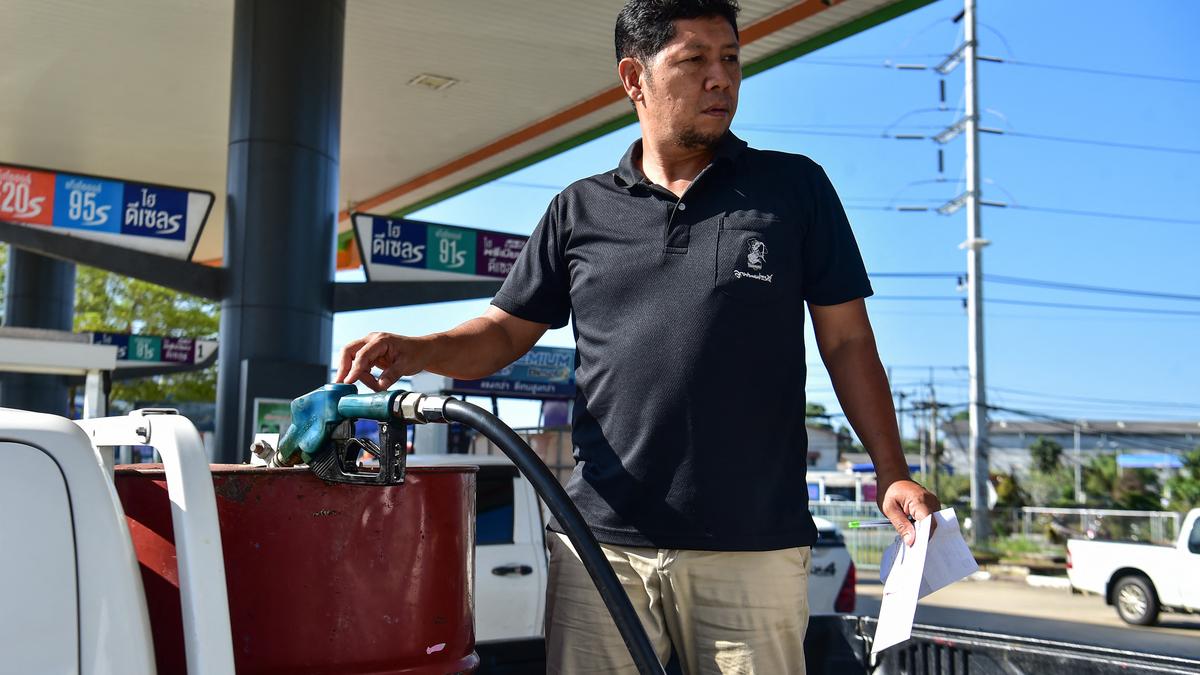
Starting April 20, you might find yourself staring at a dark forecourt and a "Closed" sign if you need to fuel up late at night in Thailand. Prime Minister Anutin Charnvirakul isn't just making a suggestion; the government is seriously weighing a mandatory shutdown of petrol stations from 10:00 pm to 5:00 am.
This isn't about giving pump attendants a better sleep schedule. It's a high-stakes gamble to stop the country's energy budget from bleeding out. With the Middle East conflict pushing global oil prices toward the $100-a-barrel mark and Thailand's Oil Fuel Fund sitting on a massive 56-billion-baht deficit, the status quo is officially broken.
Why Your Local Pump is Going Dark
The logic is blunt. If you can't buy fuel at 2:00 am, you won't drive at 2:00 am. The government's goal is to slash national fuel consumption by at least 5% almost overnight. For a country that imports nearly 90% of its crude oil, that 5% represents billions of baht that don't have to leave the national treasury.
It's also about psychological signaling. By forcing stations to close, the administration is telling the public that the "cheap oil era" is on life support. They've already asked civil servants to work from home and urged everyone to use public transit. Now, they're moving from "pretty please" to "we’re turning off the lights."
The Songkran Grace Period
If you're planning to head to your home province for Songkran, don't panic yet. The Prime Minister explicitly stated that these restrictions won't kick in until after the festival. The government knows that trying to block fuel access during the biggest travel week of the year would be political suicide.
- April 13–15: Business as usual. Stations stay open to handle the holiday rush.
- April 20: The proposed "curfew" for fuel sales begins.
- The Window: 10:00 pm to 5:00 am.
This grace period is a relief for the millions of Thais who rely on overnight drives to avoid the sweltering daytime heat and gridlocked traffic. But once the water fights are over and everyone is back at their desks, the new reality sets in.
Is This Just a Band-Aid for a Bullet Wound
Let’s be honest: closing stations at night won't fix the underlying math. The Oil Fuel Fund is currently losing about 1.47 billion baht every single day just to keep diesel prices below 50 baht per litre. That's not sustainable.
Critics argue that overnight closures mostly hurt low-income workers—delivery drivers, night-shift staff, and long-haul truckers who do their best work when the roads are clear. While the government claims this will "conserve" fuel, many experts worry it will simply lead to massive queues at 9:30 pm or 5:30 am, shifting the consumption rather than reducing it.
The Real Cost of Subsidies
Thailand’s fuel remains among the cheapest in ASEAN, but we're paying for it with debt. The 1973 Emergency Decree on Fuel Shortage Prevention is being dusted off because the government is running out of traditional tools. When you're subsidizing diesel to the tune of several baht per litre while global prices are skyrocketing, you're essentially borrowing from the future to pay for today’s commute.
How to Prepare for the Shift
If this measure goes through on April 20, "planning your trip" becomes a survival skill rather than a suggestion. You can't just wing a long-distance drive anymore.
- Top off early: Treat 9:00 pm as your new midnight. If you're below a quarter tank by sunset, get to a station.
- Watch the apps: Expect PTT and Shell apps to start showing "Real-time Availability" or "Closing Soon" alerts. Use them.
- Check your tires: It sounds cliché, but under-inflated tires can drop your fuel efficiency by 3%. In a crisis where every litre counts, that’s money out of your pocket.
- Embrace the WFH: If your boss offers remote work, take it. The government is pushing this hard to reduce road congestion and fuel burn.
This isn't a permanent lifestyle change, hopefully. But as long as the Strait of Hormuz is a flashpoint and global supply chains are a mess, the Thai government is going to keep looking for ways to tighten the belt. Closing the pumps is just the first visible sign of a much deeper economic struggle.
Don't wait for the official announcement on April 20 to change your habits. Start fueling up during daylight hours now so the transition doesn't catch you stranded on a dark highway.