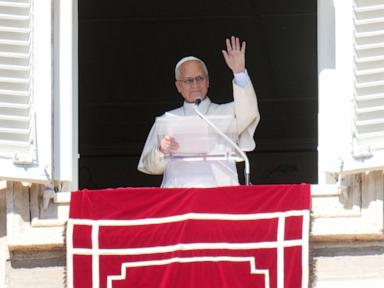
When a global head of state undergoes an unexpected pulmonary resection, the immediate information vacuum is typically filled by clinical speculation and administrative anxiety. The announcement regarding Pope Leo XIV and his scheduled excision of a circumscribed lung nodule requires a shift from superficial reporting to a rigorous evaluation of thoracic surgical protocols, early-stage oncological decision-making, and institutional risk management. Evaluating this event demands examining the intersection of geriatric pulmonary surgery, diagnostic thresholds, and the continuity mechanics of the Holy See.
Medical intervention for a localized pulmonary nodule in a 71-year-old patient involves a strict cost-benefit calculation. At an early stage, when lesions are well-circumscribed and discovered incidentally during routine screening rather than symptomatic presentation, the surgical objective shifts from palliative control to curative resection. The standard protocol for such presentations—frequently executed via video-assisted thoracoscopic surgery (VATS) or robotic-assisted thoracic surgery (RATS)—minimizes chest wall trauma compared to traditional open thoracotomy, reducing post-operative recovery windows and decreasing pulmonary morbidity risks in older adults.
However, geriatric surgery inherently introduces physiological variables. Lung tissue elasticity, baseline respiratory reserve, and post-operative healing rates dictate that even minimally invasive segmentectomies or lobectomies require precise pre-operative pulmonary function testing. The clinical decision to proceed immediately, as communicated by the medical teams at Rome’s Gemelli Hospital, indicates that the diagnostic indicators outweighed the procedural risks of anesthesia and post-surgical recovery.
Beyond the clinical domain, a papal medical intervention exposes the institutional vulnerabilities of sovereign leadership structures. Unlike corporate entities governed by rigid succession statutes or constitutional states with explicit vice-presidential succession clauses, the Vatican operates under a unique administrative framework. When a pontiff faces incapacitation or extended recovery, the governance bottleneck shifts entirely to the delegation of daily curial operations.
Historically, pontiffs have managed health crises through informal delegation rather than formal provisional resignations. While canonical law accounts for a complete renunciation of office, temporary physical incapacitation relies on existing administrative hierarchies within the Secretariat of State and the Dicasteries. The absence of a pre-formulated instrument of temporary delegation creates an operational dependency on the personal discretion of the pontiff and his immediate circle.
Furthermore, major surgical interventions for leaders of global institutions alter strategic timelines. International travel schedules, diplomatic engagements, and high-level appointments must be dynamically recalibrated against post-operative rehabilitation timelines. The physical demands of global mobility—such as long-haul flights and high-altitude public masses—require strict adherence to recovery milestones, transforming what appears to be a purely medical event into a logistical scheduling constraint for international statecraft.
Ultimately, the management of a pulmonary nodule at this level of visibility highlights the friction between biological unpredictability and institutional continuity. By prioritizing early surgical intervention, the medical strategy mitigates long-term oncological risks, while the administrative apparatus must absorb the short-term friction of operational pause. The resilience of the system relies not on the absence of health vulnerabilities, but on the structural speed with which the institution adapts to the recovery trajectory of its principal executive.


