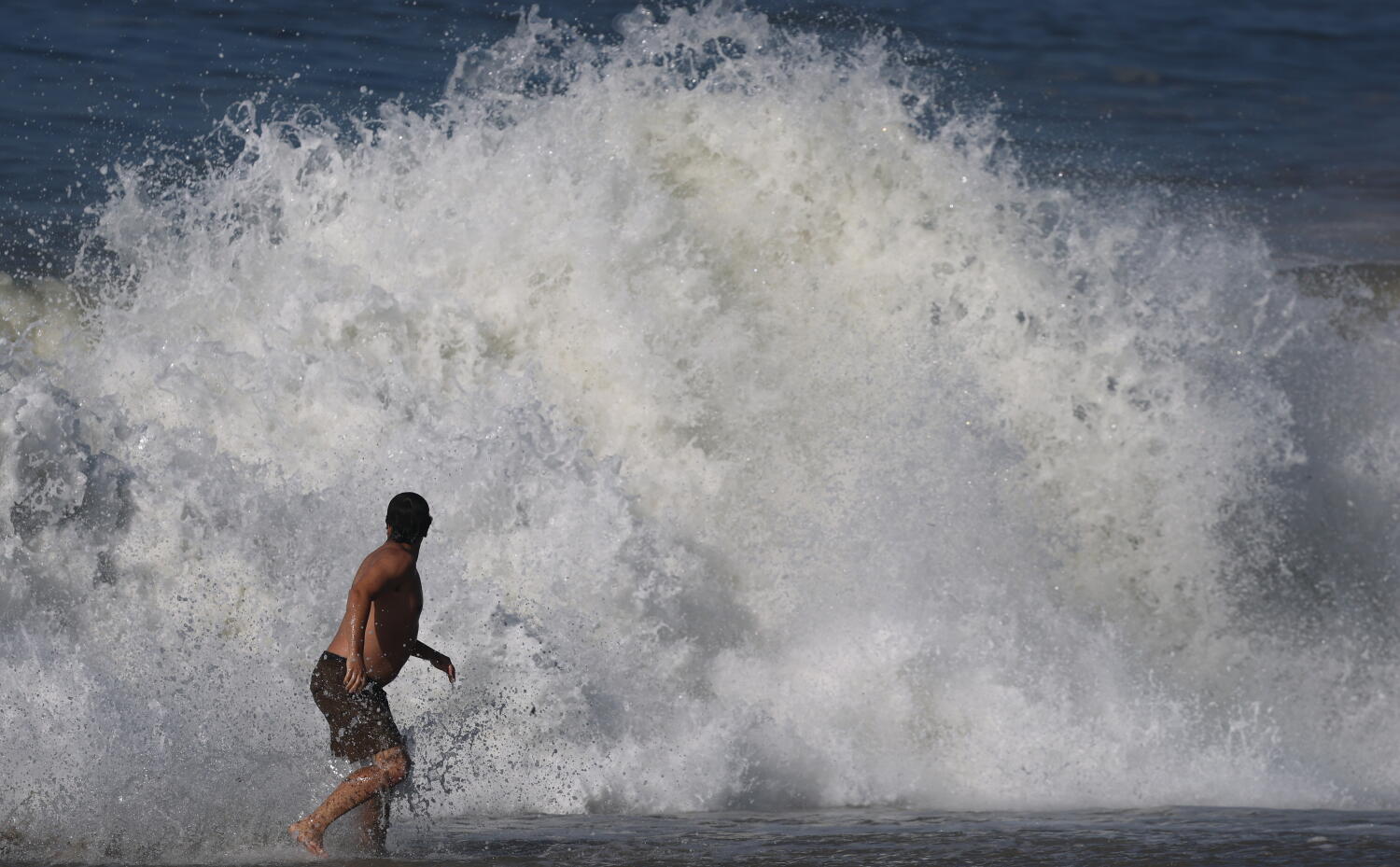
A shoreline should offer a temporary reprieve from daily friction. Instead, yellow caution tape and heavy padlocks now guard stretches of coast where children used to run barefoot. Communities are waking up to a grim reality. Dangerous materials long buried beneath coastal earth are breaching the surface, turning popular recreation spots into hazardous waste zones.
Municipal authorities often scramble for excuses when toxic elements are found in public spaces. They point to natural erosion, unexpected weather anomalies, or shifting tides. These explanations rarely hold up under scrutiny. The contamination is frequently the legacy of industrial negligence, poorly managed construction waste, or decades-old dumping practices that local governments chose to ignore until a crisis forced their hand.
The Regulatory Blind Spot
Environmental oversight along coastal corridors relies heavily on historical record-keeping. That system fails completely when records are missing, inaccurate, or deliberately obscured. Industrial operations from the mid-twentieth century operated with minimal concern for long-term ecological consequences. Hazardous substances were frequently used as fill material to stabilize low-lying coastal land or construct breakwaters.
Decades pass. The topsoil shifts. Storm surges strip away protective dunes. What was hidden twenty feet down suddenly becomes exposed to open air and human contact.
When hazardous fibres or heavy metals emerge on a public beach, the standard bureaucratic playbook kicks in immediately. Officials declare an emergency closure, hire an outside environmental consultant to perform preliminary testing, and issue reassuring press releases promising a swift cleanup. The reality is far more complicated. Remediation of contaminated coastal sediment is notoriously expensive, logistically complex, and technically difficult.
Removing compromised earth from a high-traffic shoreline without spreading microscopic hazards into the surrounding water or residential neighborhoods requires specialized containment protocols. Most local councils lack the budget to execute these operations quickly. Consequently, temporary closures stretch into months, and months turn into years while committees debate liability and funding.
The Real Cost of Neglect
Public frustration mounts as the economic toll on local businesses grows. Coastal towns dependent on seasonal tourism face devastating losses when their main attractions are fenced off. Cafes, hotels, and equipment rental shops bear the brunt of administrative paralysis. Business owners are left holding empty inventories while municipal leaders pass the buck between state and federal environmental agencies.
Transparency is the first casualty in these crises. Public health announcements often minimize the actual risk to avoid widespread panic, leaving residents to guess whether walking near the perimeter fence poses a threat. This lack of clear communication breeds deep distrust. When people see heavy machinery and hazmat suits on a beach where their families play, they expect straight answers, not bureaucratic double-talk.
Fixing this problem requires a fundamental shift in how coastal zones are monitored. Routine soil sampling cannot be treated as an optional luxury conducted only after public exposure occurs. Independent environmental audits must become mandatory for any coastal area with a history of nearby industrial activity.
Until local governments stop treating legacy contamination as an unfortunate surprise and start treating it as a predictable hazard requiring aggressive management, our coastlines will remain vulnerable. The caution tape is not a solution. It is a symptom of a system that only acts when the damage is already done.