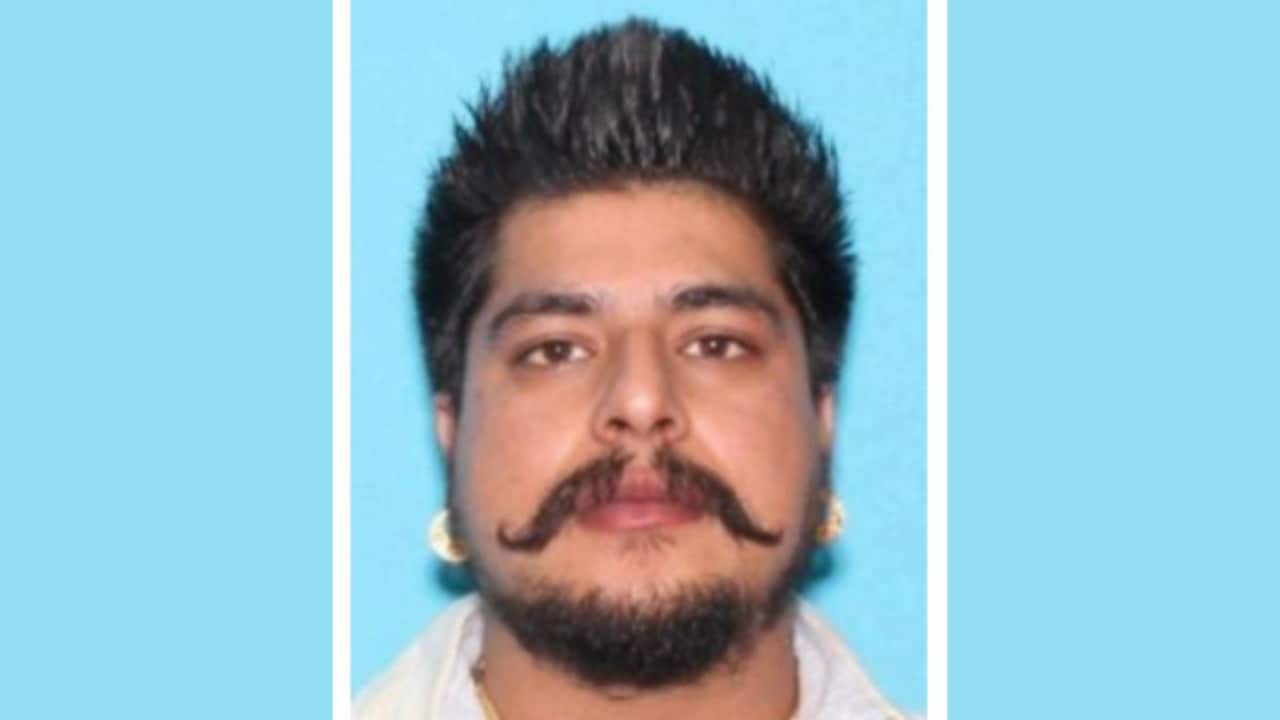
Transnational street gangs and regional syndicates from Punjab, India, have systematically exported their operating models to North America, exploiting Western financial systems and border vulnerabilities. The arrest of Nitish Kaushal, alias "Lala," in Vermont by the FBI and U.S. Border Patrol represents a critical enforcement pivot. By deploying the Racketeer Influenced and Corrupt Organizations (RICO) Act against these entities, federal prosecutors are shifting from localized, reactive policing to systemic, enterprise-level dismantling.
Understanding this shift requires analyzing the structural anatomy of the Jaggu Bhagwanpuria Organized Crime Group (OCG) and the cross-border logistical networks that sustain it.
The Network Architecture of Punjab-Linked OCGs
To comprehend why federal law enforcement launched "Operation Hard Ball"—resulting in 34 indictments across the Bishnoi, Bhagwanpuria, and Dhanda criminal enterprises—one must map the operational hierarchy of these syndicates. These are not loose, disorganized street gangs; they are highly structured, multi-tiered networks operating across international borders.
                  [ imprisoned leadership (india) ]
                                 │
                 ┌───────────────┴───────────────┐
                 ▼                               ▼
    [ domestic proxies/capos ]      [ transnational facilitators ]
                 │                               │
         ┌───────┴───────┐               ┌───────┴───────┐
         ▼               ▼               ▼               ▼
    { extortion }  { violence }    { human smuggling }  { hawala/money laundering }
1. The Distributed Leadership Core
The head of the organization, Jaggu Bhagwanpuria, manages a network estimated at over 1,000 global members while incarcerated in India. This operational resiliency is achieved through structured proxy systems and encrypted communication channels. The physical isolation of the leadership does not halt cash flows or strategic commands; instead, it delegates tactical execution to trusted lieutenants abroad.
2. The Transnational Operational Layer
This layer consists of key operatives, such as Kaushal, who execute localized actions—specifically kidnappings, physical assaults, and extortion—to maintain market dominance and enforce compliance. Kaushal’s placement on the FBI's Most Wanted list and subsequent arrest near the Canadian border in Vermont highlights a critical structural node: the reliance on mobile, high-risk enforcers who navigate the U.S. interior and northern borders to evade localized law enforcement.
3. The Localized Logistics Node
The OCG exploits local vulnerabilities by leveraging corrupted state actors in India to target diaspora communities globally. This was evidenced by the federal indictment of a Punjab police officer, Gurinderjit Singh, who allegedly functioned as a gang associate to extort approximately $400,000 from a family based in Los Angeles.
The Financial and Smuggling Pipelines
The business model of these syndicates rests on two self-reinforcing pipelines: human smuggling and asymmetric extortion.
The primary entry mechanism for the labor force of these syndicates involves fraudulent visa applications and illegal border crossings. Recruiters target prospective visa applicants within India, promising entry to the United States. Once in the country, these individuals are often trapped in debt-bondage systems, forcing them into compliance as low-level operatives or drug couriers.
The generated capital must then be integrated into the legitimate financial system. The velocity of these transactions relies on two primary mechanisms:
- The Hawala Network: An informal, trust-based value transfer system that bypasses traditional bank reporting requirements (such as FinCEN's Suspicious Activity Reports). By matching transactions domestically within India and North America, the physical movement of cash across borders is eliminated, rendering digital audits highly challenging.
- Real Estate and Shell Company Integration: Extorted cash and drug revenues are laundered through small-to-medium enterprises (SMEs) and real estate acquisitions in California’s Central Valley and Canadian metro areas, establishing a legitimate front for illicit capital.
RICO as an Enterprise-Dismantling Mechanism
For decades, U.S. law enforcement struggled with international gangs because arrests were confined to the immediate perpetrators of specific, localized crimes (such as a single assault or drug transaction). Charging Kaushal with RICO Conspiracy shifts the legal playing field.
Under the RICO framework, prosecutors do not need to prove that a specific leader or high-ranking associate personally committed a specific act of violence. They must prove the existence of an enterprise and a pattern of racketeering activity consisting of at least two racketeering acts committed within a ten-year period.
| Traditional Criminal Prosecution | RICO Conspiracy Prosecution |
|---|---|
| Focuses on individual acts (e.g., a single assault or drug sale). | Focuses on the collective criminal enterprise. |
| Requires direct evidence linking the defendant to the physical crime scene. | Requires proof of agreement to participate in the enterprise's affairs through racketeering. |
| Permits localized defenses and siloed evidence. | Allows the introduction of systemic gang behavior, historical crimes, and co-conspirator actions. |
| Carries standard, localized statutory penalties. | Carries mandatory minimums of 10 years to life in federal prison, alongside asset forfeiture. |
By charging Kaushal under RICO, the Eastern and Central Districts of California are positioning him not as an isolated actor, but as a structural component of the broader Bhagwanpuria enterprise. This creates immense legal leverage. Facing a potential mandatory minimum of 10 years to life in federal prison, mid-level enforcers face strong structural incentives to cooperate with federal investigators, exposing the upper echelons of the syndicate.
Tactical Implications of Border Apprehension
Kaushal’s arrest in Vermont by Albany-based FBI agents and U.S. Border Patrol personnel reveals a distinct operational vulnerability: the Northern Border escape route.
As U.S. federal pressure intensifies in southern and western jurisdictions, operatives frequently attempt to exploit the vast, less densely monitored U.S.–Canada border. Canada houses a massive, established diaspora and parallel Bhagwanpuria and Bishnoi network hubs. The attempt to move north suggests that Kaushal was seeking sanctuary within the Canadian wing of the syndicate to evade the June 25, 2026, California warrant.
The integration of Border Patrol tactical units with regional FBI field offices indicates that U.S. authorities have mapped these escape corridors.
The primary operational constraint facing Western law enforcement is the political and bureaucratic friction of international extradition. Because the core strategic command of these OCGs remains in Indian penitentiaries, complete eradication of the threat requires bilateral intelligence sharing and synchronized crackdowns.
Until Indian authorities systematically disrupt the communication apparatuses accessible to imprisoned kingpins, North American law enforcement will remain in a defensive posture, relying on RICO prosecutions and border interdictions to contain the domestic growth of these transnational syndicates. The immediate tactical play for federal agencies is to leverage Kaushal's custody to map the remaining 10 fugitives from the original "Operation Hard Ball" indictments.