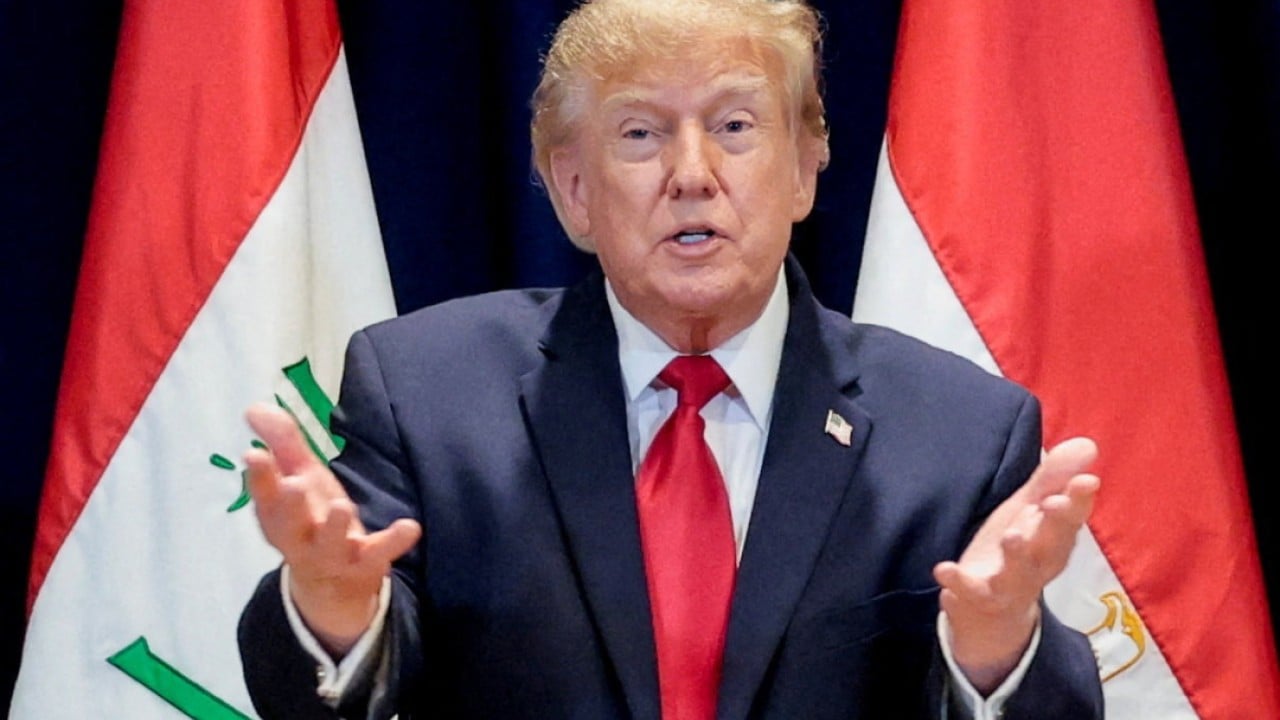
Geopolitics loves a grand blueprint. When the India-Middle East-Europe Economic Corridor (IMEC) was unveiled with much fanfare, politicians framed it as the ultimate counter-weight to traditional maritime vulnerabilities. Now, Donald Trump’s vocal backing of the project has dragged it back into the headlines. But rhetoric doesn't lay concrete, and political endorsements don't bulldoze through active war zones.
If you look past the press releases, you'll realize that the fundamental bottlenecks facing IMEC have very little to do with a lack of executive enthusiasm. They have everything to do with geography, trust, and the messy reality of regional conflict. For a closer look into this area, we suggest: this related article.
The Chokepoint Dilemma and the Real Reason Washington Cares
Let’s be honest about why Western capitals suddenly love overland corridors. The global supply chain has spent years bleeding from maritime bottlenecks. When shipping lanes through the Strait of Hormuz and the Red Sea turn into active conflict zones, the economic cost spikes instantly.
Trump’s recent push for IMEC isn't just about economic integration; it is an explicit geopolitical strategy to bypass Iranian checkpoints and insulate energy shipments from regional retaliation. By routing goods and pipelines overland through the Arabian Peninsula and up into Europe, the architecture aims to create redundancy. For additional background on the matter, comprehensive coverage is available at Financial Times.
Yet, treating IMEC as a plug-and-play alternative ignores how fragile the underlying terrain really is. Shifting checkpoints from water to land doesn't eliminate checkpoints. It just changes who guards them and what happens when local alliances fracture.
Why Infrastructure Projects Stall When Real Wars Don't
The physical components of IMEC are impressive on paper. India has been upgrading its western ports like Mundra and Kandla, while Gulf nations like the United Arab Emirates and Saudi Arabia continue laying down heavy-duty rail links.
However, building a railway across a desert is the easy part. Getting regional rivals to synchronize their security protocols, customs data, and cross-border tariffs during an ongoing regional crisis is an entirely different beast.
Consider the political puzzle pieces required to make a continuous rail and shipping transit route function seamlessly. You need uninterrupted cooperation across borders that have spent decades locked in diplomatic deep freezes. While economic interdependence sounds wonderful in a policy brief, regional actors remain deeply hesitant to tie their national infrastructure security to agreements that can be upended overnight by a single military escalation.
Private Capital Isn't Buying the Risk Yet
Governments can sign memorandums of understanding until they run out of ink, but infrastructure costs billions. The trillion-dollar question facing IMEC is who actually pays for the missing links.
Private investors operate on cold calculations of risk and return. Right now, the risk profile of underwriting multi-billion-dollar transit hubs in a conflict-stressed region is steep. Without heavy, sustained public subsidies and ironclad security guarantees, private equity won't touch large segments of the corridor. Current legislative efforts, such as the push for deeper regional integration frameworks, are crawling forward, leaving a massive funding and execution gap.
What Needs to Happen Before IMEC Becomes Reality
If IMEC is going to evolve from a diplomatic talking point into an actual trade artery, its architects have to stop treating regional friction as a minor inconvenience.
First, governance needs formalization beyond vague trade pacts. Nations involved must establish binding legal frameworks for data sharing, customs harmonization, and joint security that can survive changes in political administrations. Second, the corridor's design requires multiple entry and exit redundancies so that a single localized conflict cannot paralyze the entire network.
Political backing from Washington provides momentum, but survival requires institutional grit on the ground. Until those pieces lock into place, IMEC remains a brilliant map of what could be, waiting for a reality that hasn't caught up yet.