The world is watching a high-stakes gamble play out between energy dominance and a crumbling ceasefire. On Sunday, April 12, 2026, the diplomatic marathon in Islamabad ended in a stalemate. Vice President JD Vance and his team boarded Air Force Two, leaving Pakistan without a deal to end the six-week-old war with Iran. For twenty-one hours, American and Iranian officials sat in the same room—the first direct high-level meeting since 1979—only to hit a wall of mutual distrust and nuclear "red lines."
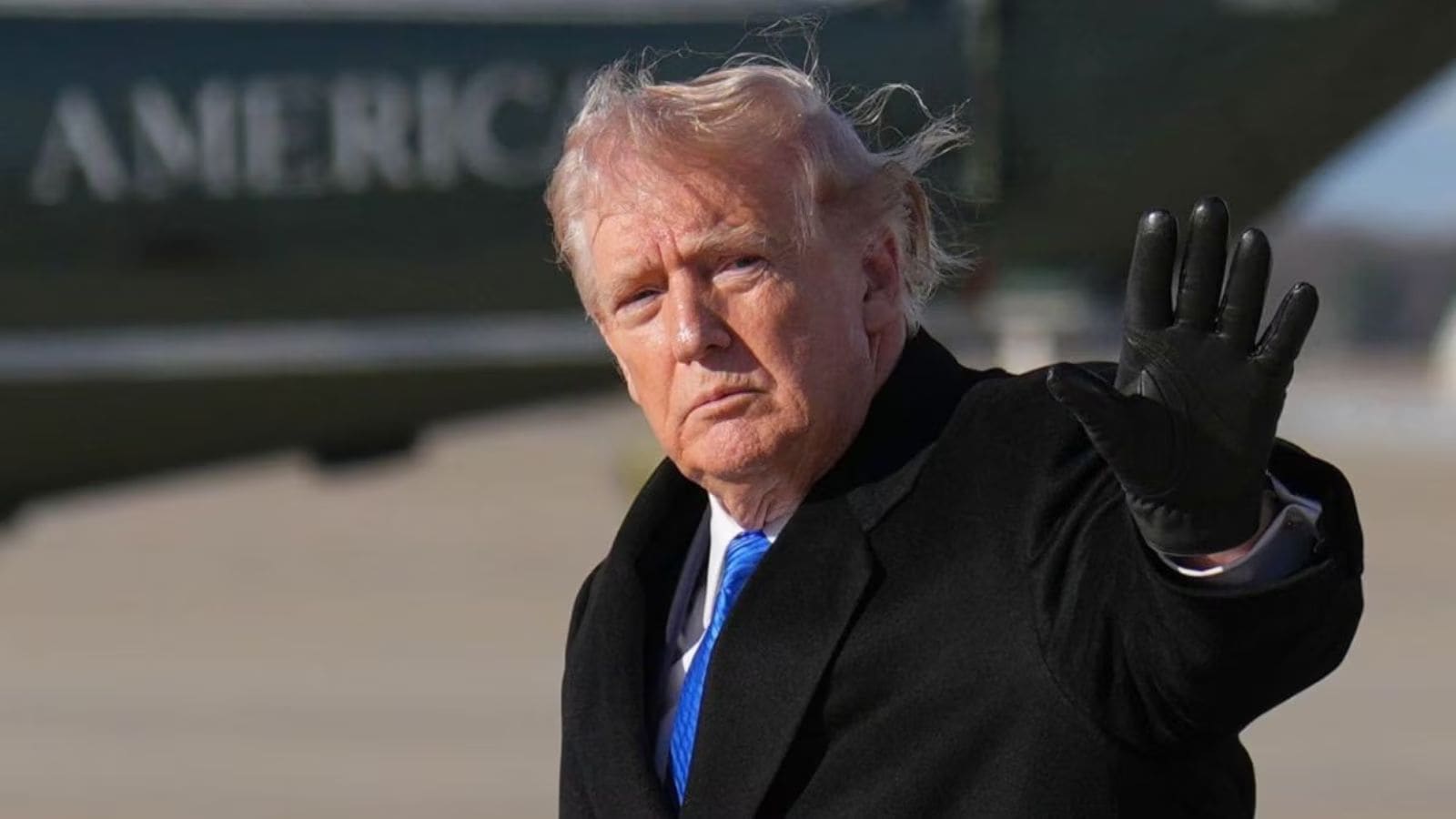
While Vance was navigating the tense corridors of Islamabad, President Donald Trump was taking to Truth Social to frame the conflict through the lens of American energy. He didn't focus on the failure of the talks. Instead, he touted the power of the American "oil and gas machine," claiming massive tankers are already racing to US shores to load up on the "best and sweetest" oil in the world.
The Islamabad breakdown and why it matters
The talks weren't just about a local conflict. They were meant to secure the global economy. Iran’s effective closure of the Strait of Hormuz has strangled roughly 20% of the world’s oil supply, sending prices into a tailspin. You've probably felt it at the pump or seen it in your shipping costs. Pakistan tried to play the role of the neutral ground, turning Islamabad into a fortified zone to host Vance and Iranian Parliament Speaker Mohammad Bagher Qalibaf.
The primary sticking point wasn't just the missiles or the regional proxies. It was the nuclear program. Vance was blunt as he left: Iran wouldn't agree to the American terms on nuclear weapons. On the other side, the Iranians blamed the US for "excessive demands." It's the same old story, but the stakes are higher because actual bombs are falling.
What Trump means by sweetest oil
When Trump talks about "sweet" oil, he isn't using a marketing term he made up. In the industry, "sweet" refers to crude oil with a low sulfur content—less than 0.5%. It’s highly sought after because it's cheaper and easier to refine into high-quality gasoline and diesel. Most of the light, sweet crude comes from US shale plays like the Permian Basin in Texas.
Trump’s boast that the US has more oil than the next two largest economies combined is his way of telling the world—and Iran—that the US can outlast a blockade. He’s essentially saying that even if the Strait of Hormuz stays shut, the US is open for business. "We are waiting for you," he posted, promising a "quick turnaround" for those empty tankers.
Breaking down the oil numbers
- Sulfur content: Sweet crude is under 0.5%, making it the "premium" choice for refiners.
- US Production: The US has consistently led global production, often hitting over 13 million barrels per day before the current regional instability.
- Geopolitical Leverage: By highlighting "sweet" oil, the administration is trying to convince global markets that US supply is a viable, higher-quality alternative to Middle Eastern "sour" crudes.
The JD Vance factor in Pakistan
JD Vance is in a tough spot. He's often been seen as a skeptic of foreign entanglements, yet here he is, leading the most significant diplomatic push of the decade. He warned Iran not to "play" the US before the talks started. That tough-guy rhetoric didn't seem to move the needle with Qalibaf, a former Revolutionary Guard commander who isn't exactly known for backing down.
The failure of these talks means the two-week ceasefire is now a ghost. Israel is still striking Hezbollah in Lebanon, and the death toll there has surpassed 2,000. Without a deal in Islamabad, the risk of the war expanding into a full-scale regional conflagration is higher than ever.
Why the tankers are heading to the US
If the Strait of Hormuz is blocked, why are tankers heading to the US? It's about supply chain shift. If you can’t get oil out of the Gulf, you go to the most stable, high-volume producer left on the map. Trump is capitalizing on this fear. He wants the US to be the world's gas station while the Middle East is on fire.
The strategy is clear: use energy independence as a shield. If the US doesn't need Iranian or Gulf oil to survive, it has more room to play hardball in negotiations. But there’s a catch. Global oil prices are interconnected. Even if the US produces the "sweetest" oil, a global shortage still drives up prices for everyone, including Americans.
Where we go from here
The next few days are critical. With Vance back in Washington and the Iranian delegation returning to Tehran, the "deep" negotiations Trump mentioned have hit a massive speed bump. You should expect a few things to happen immediately:
- Market Volatility: Oil prices will likely jump on Monday morning because the "peace dividend" from the Islamabad talks never materialized.
- Increased Military Presence: The US has already signaled a military-backed approach, moving more warships into the Gulf to potentially challenge the blockade.
- Diplomatic Pivot: Watch for the administration to lean harder on Pakistan or even Qatar to restart a back-channel, though the Islamabad failure makes that much harder.
Honestly, the "sweetness" of the oil doesn't matter if the world is too unstable to move it. Trump is betting on production, but Vance just learned that production doesn't always buy peace. If you're watching your portfolio or your gas budget, keep a close eye on the Strait. That’s where the real war is being fought.