Every desk in every trade ministry from New Delhi to Brasília is currently drowning in breathless memos about the latest BRICS summit communique. The consensus narrative making the rounds is comforting, predictable, and entirely wrong. The mainstream financial press wants you to believe that a coalition of developing economies signing broad declarations about currency diversification and de-dollarization represents an existential threat to Washington hegemony. They look at joint communiques, point to rhetorical challenges against Western sanctions, and declare that the financial order is cracking at the seams.
They are missing the entire plot.
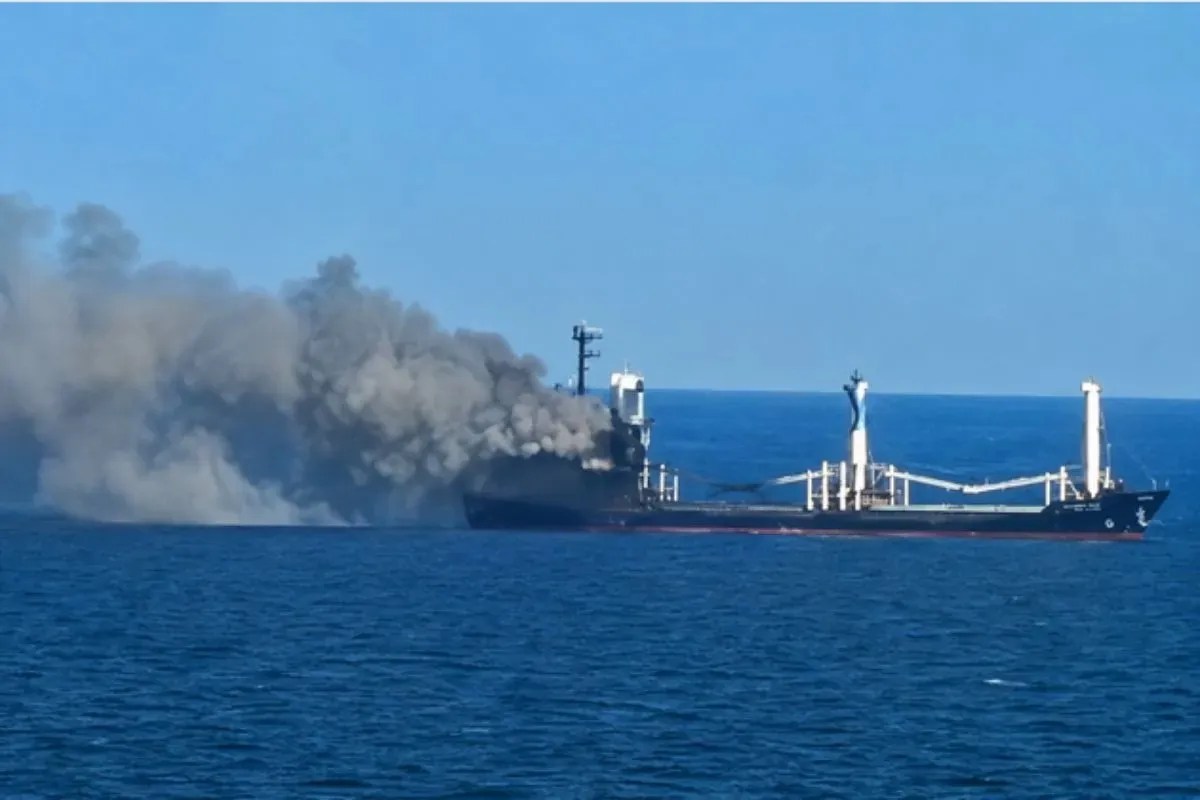
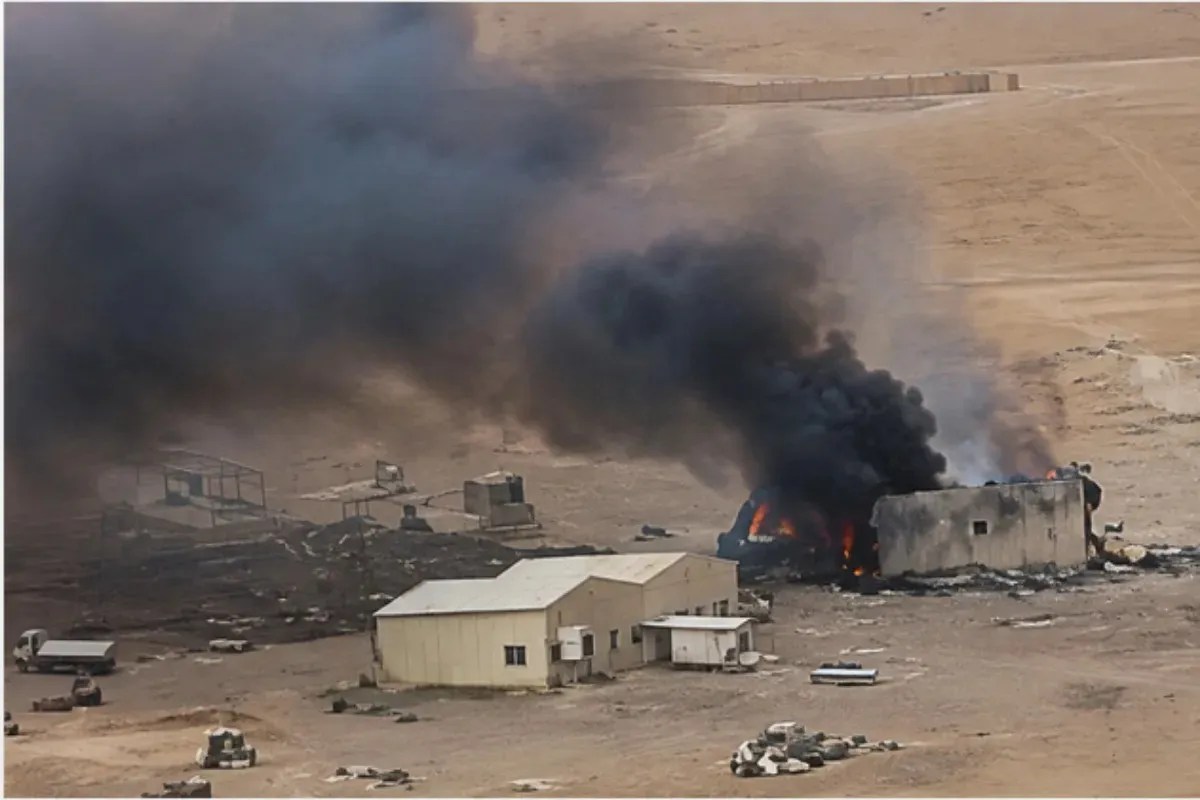
I spent the better part of a decade watching trade corridors shift from the inside, tracking how real capital moves when politicians are busy posing for group photos. Declarations cost nothing. Physical supply chain control costs everything. While analysts hyperventilate over rhetorical broadsides from emerging economies, Washington operates on a completely different plane of reality. Proof of that doctrine sits right in the Strait of Hormuz, where the United States Navy just quietly flexed its administrative and maritime muscle, turning away over a hundred non-compliant vessels and tightening the chokehold on global energy transit without firing a single diplomatic warning shot.
The BRICS bloc is not a unified economic engine. It is a loose alliance of convenience populated by fierce rivals who distrust each other far more than they distrust Washington. Beijing wants yuan internationalization; New Delhi wants absolute sovereignty and zero Chinese financial dominance; Moscow wants sanctions evasion outlets; and Riyadh is playing every side against the middle to secure its own post-oil future. Expecting this coalition to mint a credible, stable alternative to the greenback is like expecting a committee of rival mafia bosses to agree on uniform tax policy. It is an administrative fantasy.
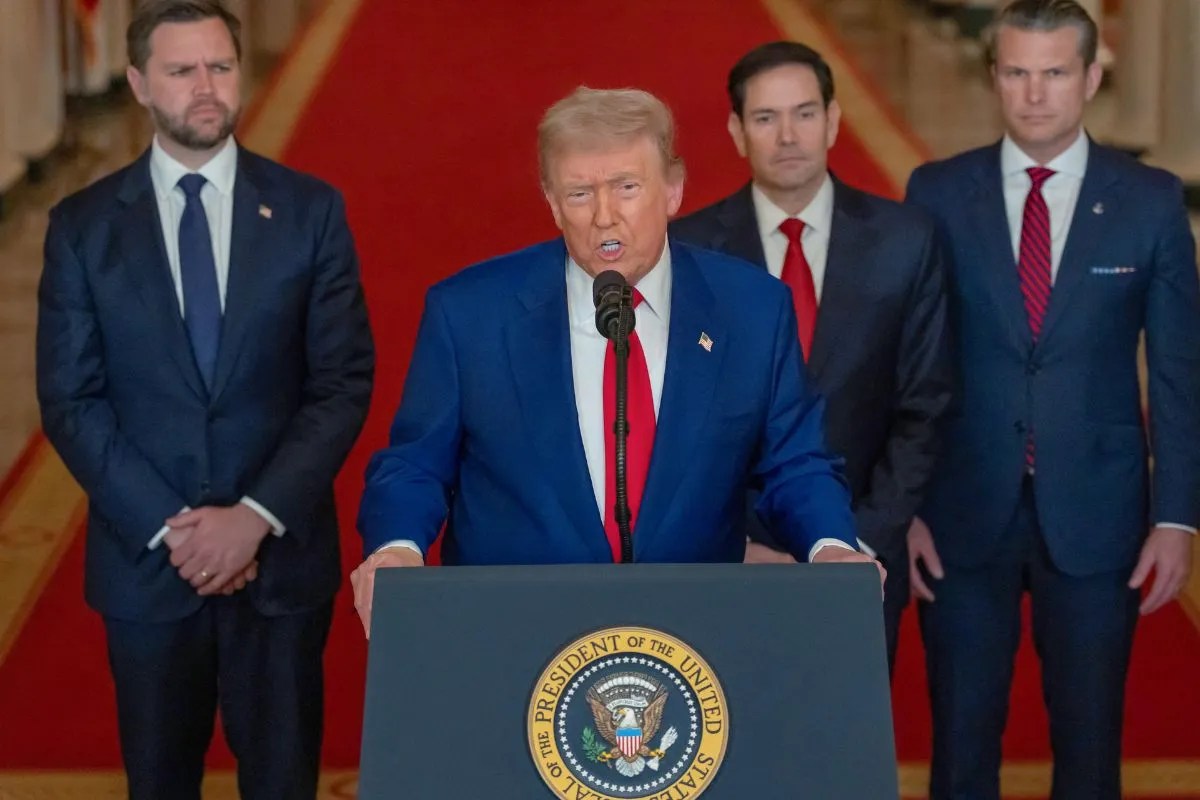
Let us look at the mechanics of real power. Power does not reside in abstract declarations about monetary units. It resides in chokepoints, insurance pools, deep-sea logistics tracking, and SWIFT message routing. When the administration in Washington tightens the screws in the Gulf, enforcing maritime compliance and rerouting tankers, the market bends. When BRICS releases another five-thousand-word manifesto on multipolarity, the Federal Reserve does not even adjust its coffee order.
This brings us to the fundamental misconception plaguing international trade analysis today. The lazy consensus assumes that multipolarity in diplomacy equals multipolarity in currency usage. It does not. Global commerce does not care about your political grievances; it cares about liquidity, deep capital markets, rule of law, and institutional depth. Show me a currency market outside of New York, London, or Frankfurt that can absorb a trillion-dollar sovereign debt issuance in an afternoon without collapsing into hyperinflationary panic, and then we can talk about a post-dollar world. Until then, every alternative proposal is just expensive theater.
Consider the energy markets sitting at the center of the Hormuz flashpoint. When tankers get turned around or flagged for compliance infractions, the entire machinery of global insurance and maritime law swings into action. Insurance giants based in London and New York dictate who sails and who stays in port. You can trade oil in local currencies all you want, but if your tanker cannot secure Western maritime insurance or clear through correspondent banks tied to the dollar network, your cargo is just expensive paperweight sitting in the Persian Gulf.
The glaring blind spot in the anti-hegemonic playbook is the lack of institutional trust. Capital flees authoritarian risk. When private wealth in developing nations looks for a safe haven, it does not flow toward capitals where property rights can be revoked by executive decree on a Tuesday afternoon. It flows directly into New York treasuries, London real estate, and Swiss accounts. As long as the rule of law in Western financial centers remains the gold standard for global asset protection, no alternative currency bloc will ever displace the greenback, no matter how many summits they host or how many joint statements they sign.
Stop waiting for a currency collapse that is mathematically and structurally impossible under current global conditions. Look at supply chain resilience, maritime logistics, and energy choke points instead. That is where the actual empire operates.
Next time a headline tells you the dollar's dominance is hanging by a thread because three emerging nations signed a memo on trade cooperation, remember one simple reality. Real leverage is not written in ink. It is anchored by a carrier strike group and a banking network that the entire world depends on for survival, whether they like to admit it or not.